


- Home
- Companies
- Mishitek Chemicals
- Products
- Cooling Water Chemicals
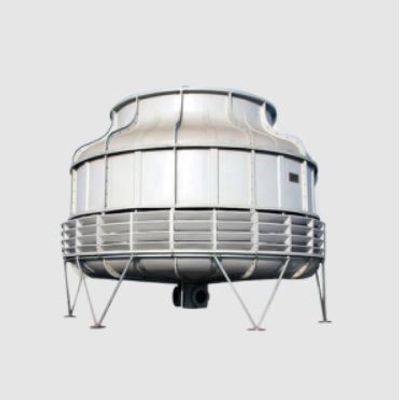
Cooling Water Chemicals
Cooling water chemicals are chemicals that are added to the water in cooling towers or heat exchangers to prevent or control the growth of bacteria, algae, and other microorganisms, as well as to prevent the buildup of mineral scale and corrosion. These chemicals can help improve the efficiency of the cooling system and reduce maintenance costs.
There are several types of cooling water chemicals that are commonly used in cooling systems:
-
Biocides: These chemicals are used to control the growth of bacteria, algae, and other microorganisms that can cause fouling, corrosion, and health hazards. Biocides can be oxidizing (e.g., chlorine, bromine) or non-oxidizing (e.g., quaternary ammonium compounds, isothiazolones).
-
Scale Inhibitors: These chemicals are used to prevent the buildup of mineral scale on heat transfer surfaces. Scale can reduce heat transfer efficiency and increase energy consumption. Scale inhibitors can be phosphonates, polymers, or chelating agents.
-
Corrosion Inhibitors: These chemicals are used to protect metal surfaces from corrosion. Corrosion can lead to equipment failure, leaks, and water contamination. Corrosion inhibitors can be based on molybdates, phosphates, or amines.
-
Dispersants: These chemicals are used to keep suspended solids and other contaminants in the water in a dispersed state, preventing them from settling and forming deposits or fouling.
-
pH Adjusters: These chemicals are used to adjust the pH of the water to a level that is optimal for corrosion control and scale inhibition.
It is important to use these chemicals in the correct concentrations and to monitor the water chemistry of the cooling system regularly to ensure optimal performance and efficiency. Additionally, it is important to follow all safety procedures and guidelines when handling and storing these chemicals.