
- Home
- Companies
- SIGMADAF Clarifiers S.L - Wastewater ...
- Products
- SIGMADAF - Model FPHF - Dissolved Air ...
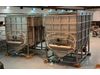
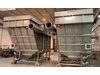
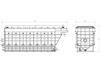
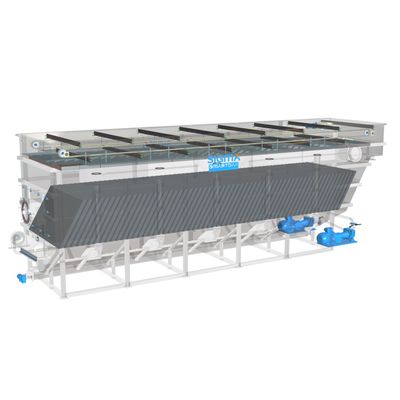
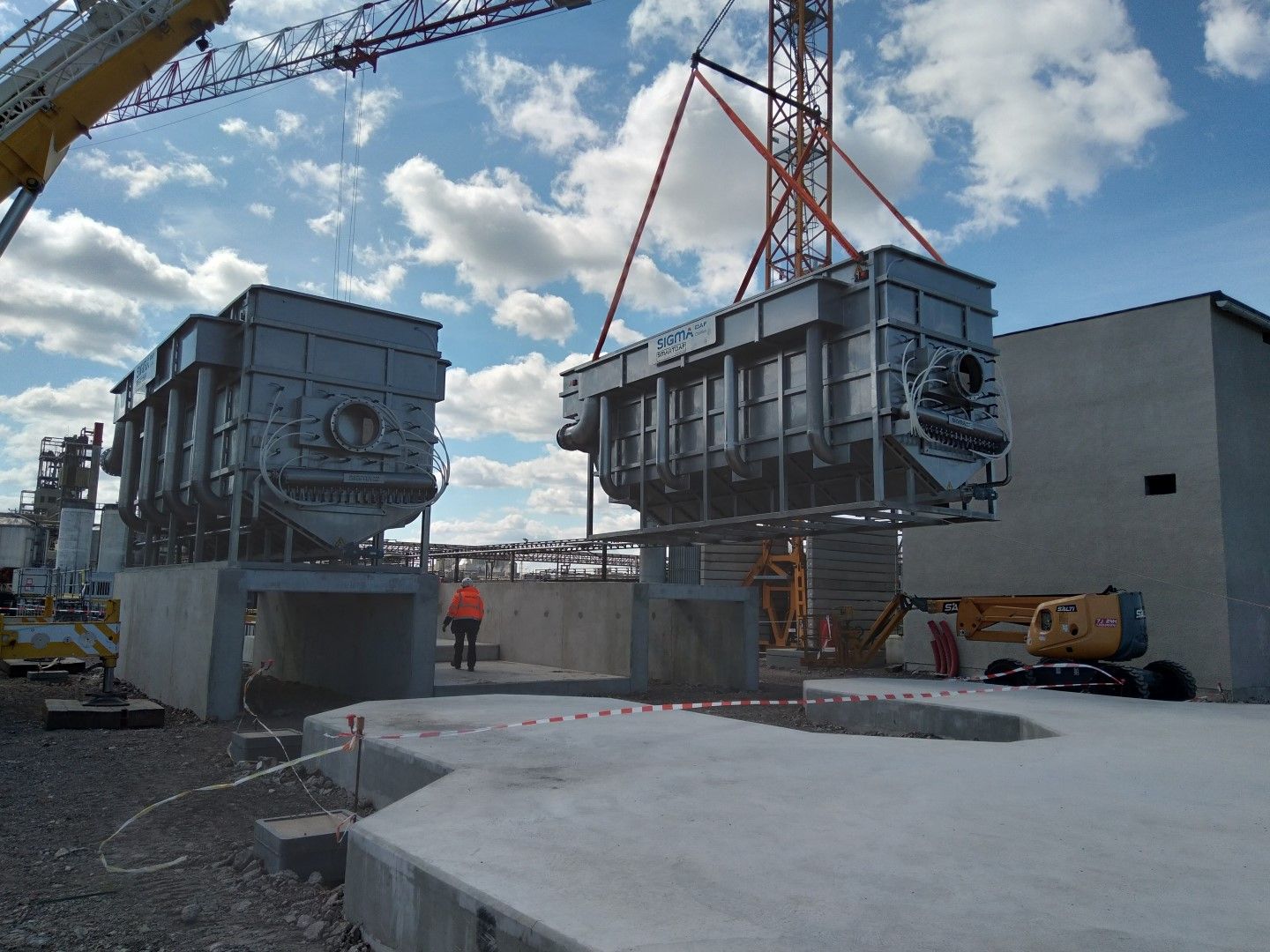
SIGMADAF - Model FPHF -Dissolved Air Flotation System. DAF Clarifier
The FPHF flotation system is a separation system, improved from existing plate pack technology which utilises a combination of cross flow and counter-current flow. This technology was originally developed for special applications for high flow volumes with a substantial suspended solids content. Settling particles can be separated with a relative high efficiency by the FPHF.
High flow volume demands a better flow distribution. The inflow surface of the plate packs is equally divided against laminar flor proportionality within the system. In practice, it shows an attainable volume treatment above 100%, compared to conventional plate separators, which have mostly an overflow rate of at least 3m3 per m2 per hour.
DAF technology is utilised to remove oils, grease, solids and suspended flocculants that do not possess sufficient buoyancy to float; or where an emulsion of oils and solids (with increased density) require air flotation to enhance the separation process. The use of micro-bubble flotation technology (30 to 50-micron range) increases efficiency, as smaller bubbles easily adhere to equal-sized or larger particles, boosting the overall effectiveness of the system.
The DAF FPHF is a high performance system with different unique characteristics.
The FPHF is a high-performance system with a number of distinct features. It includes a single movement separator, which rotates against the hydraulic flow of the water, helping to minimise the skimming distance of the floated sludge
and eliminating solids carry-over. It creates a sludge with a dry solids content 3 to 4 times greater than a conventional system. The result of which, is a reduction in the need for and scale of any future treatment, such as de-watering or drying,
consequently resulting in reduced follow-on costs.
The bottom sludge within the system is held in place
as it thickens and partially de-watered by the shaftless auger system. This enables the operator to control the thickness of the sludge, eliminates the early-removal of solids and reduces the build-up of sludge. The residual sludge is then transported to a central discharge point and removed via an automatic pneumatic valve. This discharge cycle is self-cleaning, and any particles adhered to the walls or sides of the system will loosen and follow their initial flow path.
The system as standard, is fitted with an aerator, recirculation module, a pneumatic switch and a control panel to enable the air supply to the aeration module and sediment discharge valve to be controlled.
- Updated and improved design of plate pack technology
- Effectively handles large flow volumes with a high suspended solids content
- Compact system with high-processing capacity
- Unique sludge de-watering and removal system, producing a highly concentrated sludge · Efficient laminar flow regime
- Low maintenance and easy to operate
- Custom built
- Ballast water treatment
- Edible oil refineries
- Food processing plants
- Pulp and paper industries
- Fish processing facilities
- Petrochemical industry
