Puroxi - Dissolved Oxygen Equipment (DO)
Dissolved Oxygen (D.O.) is the first line of defence against the dreaded anaerobic bacteria. D.O. treatment consists of three parts. So, an LV + an OXY + a D.O.
Puroxi consists of water purification experts that understand that not all water is the same. Not all plants, fruit, vegetables, animals, humans etc. get the nutrition they need by using water. The water must be analyzed, and steps must be taken to accommodate the desired use.
Our company develops a customized solution for each unique situation after an independent local lab analyzes a thorough, detailed water report. We then blend our formula with our stability package and additional ingredients for a customized solution to resolve all existing issues. In addition, we supply the right equipment to enhance your water purification process with a custom-made water treatment package.
We deal in well water, ponds & lagoons, residential, commercial, municipal reservoirs and industrial operations. Our company works around the world.
We understand that there is no magic bullet in water. However, we also understand that no one likes spending money to fix their water. However, it`s different from the initial expense that you should look at. It’s the vast benefits and returns on investment (ROI) our clients enjoy most about dealing with us.
The IPS dissolved oxygen system (D.O.) is advanced in every way you can imagine. Our partnership eith the manufacturer was sealed because of shared beliefs in how OXYGEN can positively affect all life.
The IPS D.O. system is not the only product we represent; a full line of manual and automated systems can benefit greenhouses, hydroponics, and aquaponics. We encourage you to visit our website www.puroxi.com to see the vast solutions we offer our clients.
As a water purification company, PPWGI sees a large amount of use for D.O. systems in other industries. IPS has concentrated on plants and hydroponics, which is what makes us a very good team. We understand the importance of D.O. in a wide range of applications.
We are going to concentrate on plants for those of you that are interested in greenhouse applications.
D.O. defines oxygen as the oxygen saturation level in the water. The more oxygen in the water, the happier your plant’s roots are, and the more nutrients your plants absorb. The chemical formula for water is that H2O (2 hydrogens and one oxygen atom) forms a water molecule.
You might ask: how is it possible to have more oxygen molecules in water if each water molecule can only include one oxygen atom?
IPS has an analogy we will borrow. Without getting too scientific: think of it as chocolate milk. You mix chocolate with milk, shake and voila! Milk is still milk, chocolate is still chocolate, but they combine beautifully. The same principle can be applied to water and molecular oxygen-O2.
It would be best if you had oxygen in the water to grow healthy plants (At minimum D.O. of
60%). However, it is worth considering increasing your oxygen levels to grow larger, healthier and more productive plants.
Dissolved oxygen is a small addition with which significant effects are possible. You fight pathogens, stimulate root hair growth, and provide more aerobic bacteria to improve water and nutrient uptake, and you end up seeing a much happier plant.
Dissolved oxygen is the first line of defence against the dreaded anaerobic bacteria that cause root rot. It also stimulates faster root growth and greater density of the fine root hairs, which are responsible for absorbing water. In the process, this uptake requires a lot of energy from the plant in the form of oxygen.
The increased availability of oxygen atoms also improves nutrient uptake. When roots lack oxygen, they have no choice but to replace it with other compounds. They then begin to produce ethylene. However, this causes cell damage and increases the risk of systemic diseases.
Systemic diseases are conditions in which the immune system is dysregulated and attacks its own body
(Autoimmune diseases). Normally, the immune system clears away outside invaders (for example, bacteria or viruses). In systemic diseases, the immune system targets its own body.
Even if this is not the case, roots with oxygen deficiency may suffer from calcium deficiency. Some growers are subsequently surprised when adding cal-mag products and have little to no effect.
So, the real question is, why not add extra oxygen?
Sustainable, chemical-free technologies like IPS` D.O. units pave the way for farmers to improve soil health.
Dissolved oxygen improves the flocculation of the growing medium by better binding the organic matter with the sand. By binding soil particles on the sand, organic matter promotes the stability of soil aggregates and, thus, soil aeration. The individual soil particles bundle together to form larger units (aggregates), forming a specific aerated bond. Many tiny pores and cavities are present within the aggregates, while larger pores and cavities fill with air.
Increasing porosity also promotes soil root ability, especially on soils with high resistance to penetration. Plant roots can penetrate the soil through the pores.
- D.O. is directly absorbed by the plant(roots);
- D.O. oxygen levels have a considerable role in mounting proper root health in substrates and hydroponics.
- D.O. improves the regulation of substances that suppress diseases and pests;
- D.O. solves the lack of oxygen in your water;
- D.O. ensures fewer growth problems, and your plants will grow better;
- D.O. ensures that you can regulate the temperature of the water around the roots;
By using D.O., you need significantly less fertilizer resulting in fewer costs;
Your work becomes more sustainable.
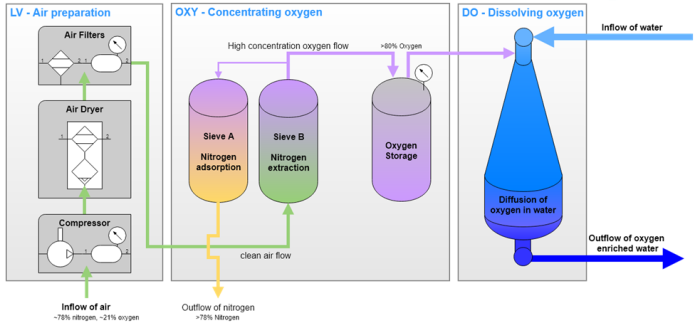
The following are the components involved in an IPS’s DO system:
The oxygen treatment system consists of three different components. *
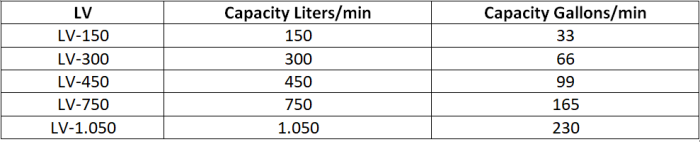
Component #1: Compressor + air pre-treatment LV
Component #2: Oxygen compressor OXY
Component #3: DO-unit for dissolving the oxygen in the water
The process schedule shows how these three components work together to produce oxygen for your crops, ponds, dugouts, and municipal water needs.
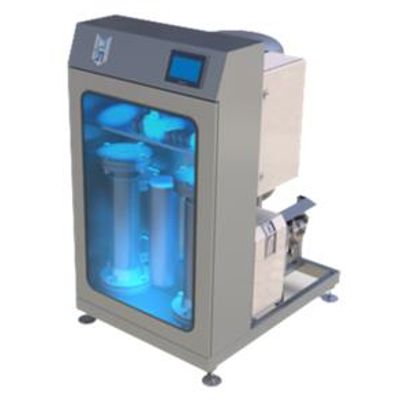
Principle schedule: Please look at the diagrams below to see the footprint of the D.O. System.