


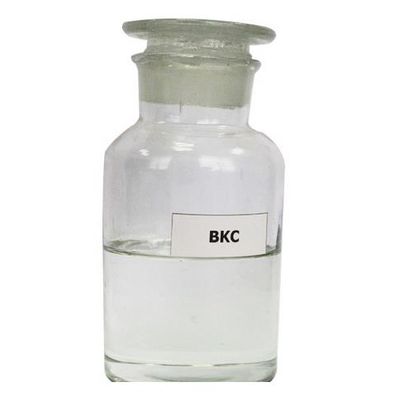
Hoo-Chemtec - Model CAS 8001-54-5,63449-41-2,139-07-1 -Dodecyl Dimethyl Benzyl Ammonium Chloride (DDBAC)
Dodecyl Dimethyl Benzyl Ammonium Chloride, a cationic surfactant and biocide, is widely used for its antimicrobial properties in disinfectants, sanitizers, and cleaning agents across various industries.
- CAS No.: 8001-54-5,63449-41-2,139-07-1
- UN NO.: 3265
- EINECS No.: 264-151-6
- Molecular Formula: C21H38ClN
- Purity (%): 50-80
- Appearance: as a white or off-white solid or powder
- Packing: Bags, drums, or bulk shipments
Dodecyl Dimethyl Benzyl Ammonium Chloride (DDBAC) is a type of quaternary ammonium compound commonly used as a surfactant and biocide. It is derived from benzyl chloride and dimethylamine, with a dodecyl (C12) hydrophobic chain attached to a benzyl ammonium cation. DDBAC exhibits strong antimicrobial properties and is effective against a wide range of microorganisms, including bacteria, viruses, fungi, and algae. It is commonly used in disinfectants, sanitizers, preservatives, and cleaning products in various industries, including healthcare, pharmaceuticals, water treatment, and personal care. DDBAC acts by disrupting the cell membranes of microorganisms, leading to their inactivation or death.
- Disinfectants and sanitizers
- Water treatment as a biocide
- Preservatives in various products
- Industrial and institutional cleaning
- Agriculture as a biocide and sanitizer
- Veterinary and animal care for sanitation and hygiene
- Oil and gas industry for biocidal and disinfection purposes
The structure of Dodecyl Dimethyl Benzyl Ammonium Chloride (DDBAC) consists of a dodecyl hydrophobic chain attached to a benzyl ammonium cation. Here is a simplified representation of the structure:
CH3
|
CH3—N?—Benzyl
|
Dodecyl
The dodecyl chain (C12H25) is a hydrophobic (water-repelling) segment consisting of 12 carbon atoms. The benzyl ammonium cation is the positively charged part of the molecule, with a benzyl group attached to a nitrogen atom (N?). The chloride ion (Cl?) balances the charge by associating with the positively charged nitrogen atom. This structure provides DDBAC with its surfactant and biocidal properties, allowing it to interact with and disrupt the cell membranes of microorganisms.