
Dutch Incinerators - Thermal soil remediation
Soil remediation is the process of decontaminating soil by cleaning, treating or removing contaminants to restore its health and improve its quality. This intervention is often required when soil has been polluted by chemicals, hazardous waste, heavy metals, petroleum products, or other harmful substances due to industrial activities, agriculture or urbanization.
Thermal remediation involves heating the soil to either evaporate or combust contaminants. Thermal treatment is one of the soil remediation methods and includes 2 techniques, with system selection based on the specific nature of the contamination.
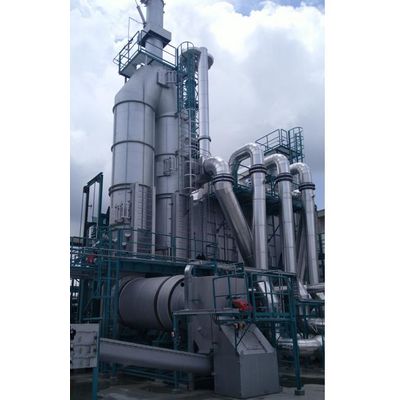
Thermal desorption is a widely accepted environmental remediation technology conducted within a thermal desorber, which serves as a variation to the conventional concept of waste incineration.
Volatile and semi-volatile Organic Compounds (VOCs) are extracted from solid materials or surfaces, such as soil, sludges, sediments and filter cakes. The solid fraction is heated through direct heat transfer, which causes the contaminants to vaporize and enter a gas phase, where they are subsequently captured and treated.
Thermal desorption is considered effective as it avoids the use of solvents and is generally faster and more efficient than other extraction techniques.
Thermal remediation by incineration is a technique employed to treat contaminated soil, water, or other materials by applying elevated temperatures to break down hazardous substances. This process involves heating the contaminated material to temperatures typically ranging from 800°C to 1,200°C, within a controlled combustion environment. The intense heat causes the contaminants to vaporize, decompose or react chemically, resulting in their destruction or transformation into less harmful compounds.
This method is often applied for organic contaminants, such as petroleum products, solvents, pesticides and certain industrial chemicals. It is particularly effective for treating soils and sludge that are heavily contaminated with hazardous materials.
Incineration is highly effective and relatively rapid for treating large volumes of organic contaminants, especially when they are concentrated or difficult to degrade biologically. Contaminants are destroyed, resulting in no residual contamination if complete destruction is achieved.
Thermal remediation by incineration is commonly utilized in industrial and hazardous waste management, especially when alternative remediation methods such as bioremediation or physical remediation prove impractical or ineffective.
Would you like more details about its applications or how it works in specific fields?
Contact Dutch Incinerators