


- Home
- Companies
- emka Technologies S.A.S
- Products
- easyTEL - Implantable Telemetry System ...
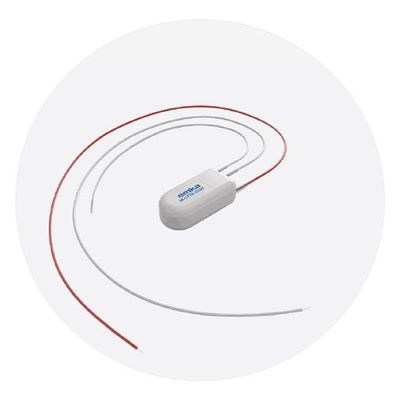
easyTEL - Implantable Telemetry System for Mice
easyTEL implantable telemetry system transmits physiological data from conscious freely moving small subjects weighing 20 g or more, single-housed in a cage. Physiological measurements are captured by a transmitter surgically implanted and wirelessly transmitted to a receiver, placed under the cage.
The easyTEL-S size implants are ideal for mice and offer the ability to continuously record for 3 months:
- Biopotential (ECG, EEG, EMG)
- Respiratory rate*
- Temperature
- Activity from acceleration
*Derived from diaphragmatic EMG
- Reliable data
- Ease of use
- Synchronizes with other signals
Choosing easyTEL system means opting for a reliable system, coupled with a highly flexible infrastructure:
- Perform studies with up to 64 single-housed mice per system
- Collect and combine synchronized signals from implants and any other source (analog signal, biopotential electrodes, strain gauge transducers) with easyMATRIX3.
This is particularly useful for cardio or neurorespiratory applications - Our single-use (non-refurbished) implants means no reconditioning, no decontamination, no shipping costs and delays. Implants can be re-implanted as long as battery lasts
easyTEL also offer M size implants, designed for medium subjects weighing 100g or more.
easyTEL system runs with IOX2 software for signal acquisition and real time analysis. The data conversion is done through the easyMATRIX3 device, placed between the receiver and the computer.
In-depth data analysis is performed by ecgAUTO software, in dedicated modules.
Wireless technology is ideal to reliably transfer high volumes of data from a freely moving animal. Advantages associated with this technique are well known:
Longer and better-quality data obtained from less stressed subjects, allowing compliance with 3Rs principles.
Furthermore, in vivo studies from conscious, unanesthetized instrumented animals are recommended by the FDA for ICH S7A studies.
Wireless implanted telemetry provides the unique ability to look into long-term physiological trends, as well as rare or isolated physiological events (arrhythmias, seizures, etc.).