

EPA ÇEVRE
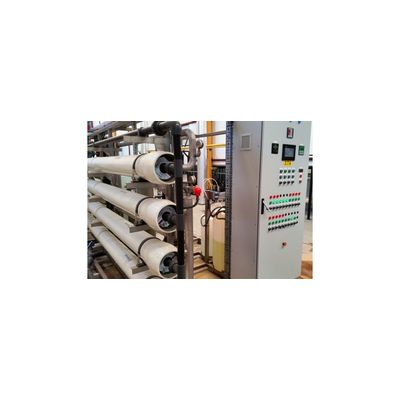
EPA CEVRE - Seawater Reverse Osmosis -Desalination Systems
FromEPA ÇEVRE
Seawater Reverse Osmosis (SWRO) Systems (Desalination Systems) are the most common and energy-efficient technology used to convert seawater into drinking and utility water. These systems play a critical role in combating water scarcity worldwide.
Most popular related searches
seawater reverse osmosis desalination system
reverse osmosis system
seawater reverse osmosis
seawater reverse osmosis desalination
reverse osmosis desalination system
seawater reverse osmosis system
reverse osmosis
reverse osmosis desalination
seawater reverse osmosis SWRO
desalination system
The basic operating principle is the same as that of reverse osmosis systems. Only pre-treated seawater is pumped into the system at a very high pressure (≈50 - 80 bar) to overcome the natural osmotic pressure.
Advantages and Challenges
- Advantages: High-quality freshwater production, relatively small space requirements, and modular scalability.
- Challenges: High energy consumption (though significantly reduced with Energy Recovery Devices) and management of the concentrate discharged into the environment.
Modern facilities today are continuously being developed to increase energy efficiency and minimise environmental impact.