
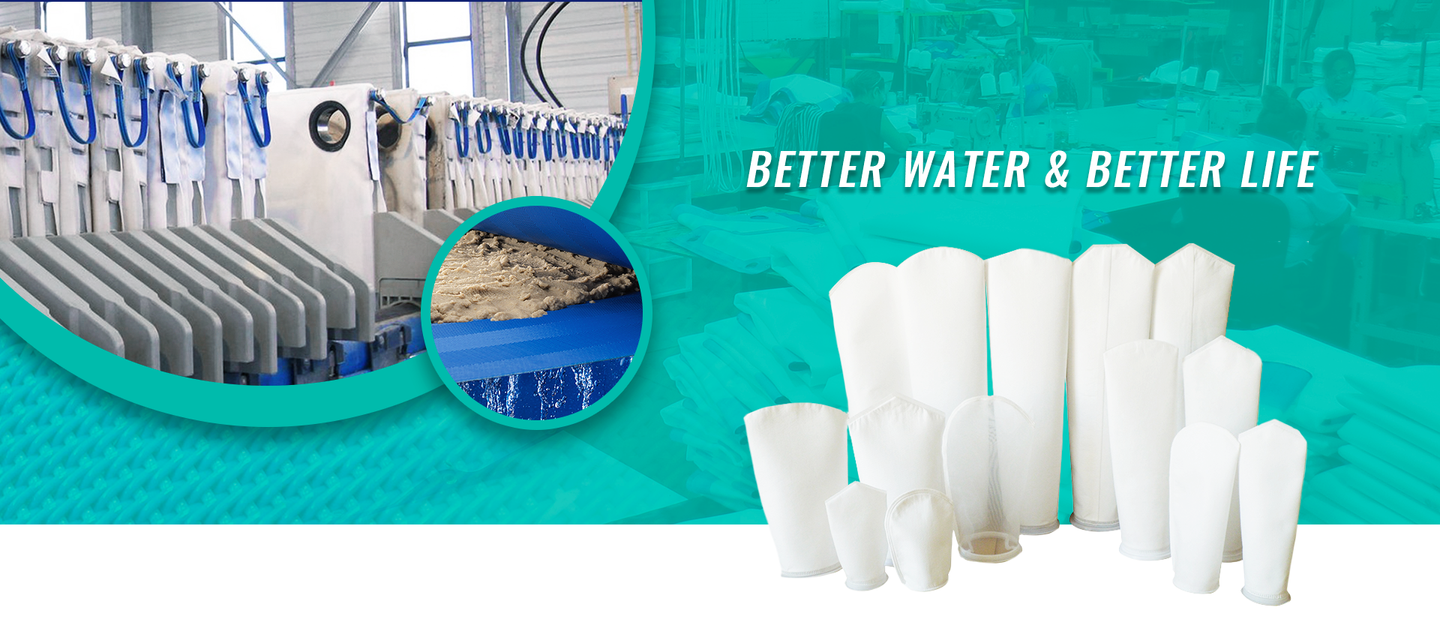

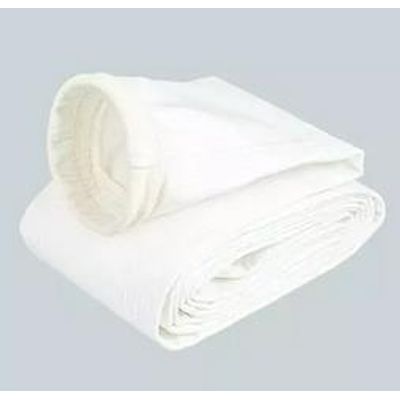
FISolution Pulse-Jet - Model FIS-PJFBS -Filter Bags
We design its filter bags to meet the individual requirements of the given dust removal process. That way customers are assured the best technical solution for their filter systems.
- Material: Polyester PPS NOMEX...
- Weight: 350~750gsm
- Max Temperature: 150~280°C
- Emission Standards: 5mg~30mg
As always, we focus on ensuring the maximum performance of your filter system.
- Our application technology allows for individual consideration of the customer`s filtration process.
- Required emission values
- Required service life
- A selection of the best filter medium and filter bags
Filter bag designs at glance:
- Sturdy filter bag head: featuring snap ring, cord, ring or cut edge head design: separate or integrated top, head mounting piece with reinforcements and grounding wire
- Hose designed for improved stability, with stiffening rings for cageless constructions
- High quality seam designed for lowest emissions: Sewn, welded, with additional PTFE seam seal
- Floor construction for mechanical robustness and extended service life: With reinforced floor covering, double-layered bottom
Design Options & Filter Media for All Industries
We offer numerous filter media such as Polypropylene, Acrylic, Polyester, Aramid, PPS, P84, Fiberglass and many other options and finishes such as high efficiency ePTFE membrane to meet the needs of every industry.
Types of Dust Collector Filter Bags
The type of filter bag you’ll need to operate your dust collector at maximum effectiveness and efficiency will depend on the type of machine you have and the specific operating conditions. See below for more information on what filter bag is best for your application.
Normal maximum continuous operating temperature is 275°F. Polyester felts offer very good resistance to chemicals, abrasion, and dry heat degradation. They offer excellent dimensional stability and are the most common type of filter bag used today. Polyester are good for dry heat applications and are superior to other synthetics with the exception of Nomex® (Aramid) and Teflon® in this regard. Polyester is not a good choice for moist heat and subject to hydrolytic degradation under certain circumstances. Polyester offers good resistance to most mineral and organic acids except high concentration of nitric, sulfuric, and carbolic acids. It has good resistance to weak alkali and moderate resistance to strong alkali at low temperature. Polyester also has good resistance to most oxidizing agents and excellent to most organic solvents. It is not recommended for some phenolic compounds. Not recommend for high concentration of strong alkali at high temperatures.
Polypropylene
Normal maximum continuous operating temperature is 170°F. Polypropylene felt is used for general applications where chemical and moisture attacks other fibers. Polypropylene offer high strength, excellent resistance to most acids and alkali. Smoothness of fibers allow good cake release and resistance to blinding. Moisture absorption is virtually non-existent. This fabric media has very good resistance to both mineral and organic acids and generally good resistance to alkali with the exception of sodium and potassium hydroxide above 200°F. Good resistance to most reducing agents. Polypropylene also has fair resistance to most organic solvents with the exception of ketones, esters, and chlorinated hydrocarbons.
Acrylic (Homopolymer Acrylic Felt)
Normal maximum continuous operating temperature is 275°F. General applications include: Dryers, Electric furnace, Aluminum reduction and Primary or secondary smelting. The chemical resistance is satisfactory to most mineral and organic acids. Superior to polyamide and polyesters in this regards. Acrylic resistance to alkali is inferior to most fibers except natural protein fibers such as silk and wool. Acrylic has fair resistance to most oxidizing agents and is superior to polyamide and protein fibers in this respect. It has excellent resistance to most common organic solvents. Overall Acrylic has good acid resistance, high resistance to hydrolysis. Not available in all fabric forms and is more costly than polyester or polypropylene. Good temperature resistance.