Gas Processing System
When processing natural gas the heavier components are removed and sold to the petrochemical industry. The remaining dry gas is piped to the customers.
The significance of natural gas as a resource is steadily increasing, and Statoil has known reserves for a long time to come.
The significance of natural gas as a resource is steadily increasing, and Statoil has known reserves for a long time to come.
Priority is given by the group to developing technology and expertise for environment-friendly processing of this commodity from field to user.
In this context, processing of natural gas embraces:
- separation of gas, water and condensate/oil
- treatment of water and the glycol used to inhibit formation of hydrates (hydrocarbon ice) in well systems and transport pipelines
- removal of acid components such as carbon dioxide and hydrogen sulphide
- removal of other trace components, such as a mercury
- checking the dew point (temperature at which vapour begins to change into water/droplets) of hydrocarbons and water.
The bulk of the natural gas produced by Statoil hails from offshore installations on the Norwegian continental shelf.
After production, the gas is processed on a platform or at a land-based plant. Once the required specifications have been met, the sales or rich gas is compressed and transported by pipeline for further processing on land or directly to customers in Europe or the UK.
Statoil is the technical service provider for two gas processing plants in Norway on behalf of operator Gassco. These are Kårstø north of Stavanger and Kollsnes west of Bergen.
They separate natural gas liquids (NGL) from the arriving gas before pressurising the remaining “dry” gas with large compressors and sending it through huge pipeline systems to customers.
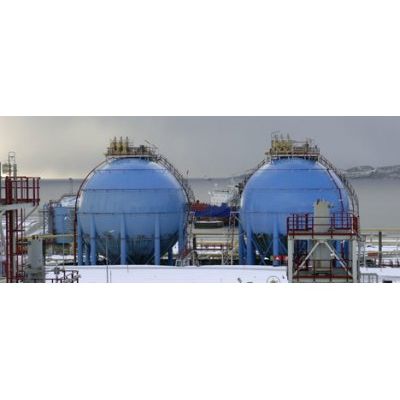
In other cases, such as Snøhvit in the Barents Sea, gas is piped directly from subsea installations to Melkøya outside Hammerfest for processing and liquefaction. It can then be exported by ship as liquefied natural gas.
At Tjeldbergodden in mid-Norway, moreover, gas from the Norwegian Sea is processed into methanol. Small volumes are also liquefied there.
Research and development on gas processing is intended to ensure that Statoil has the necessary technology and expertise for production, processing and transport of natural gas – regardless of the specifications to be met.
The group accordingly pursues R&D relating to natural gas in such fields as quality control, processing technology and separation methods.
Methods and measurement tools have been developed by Statoil.
Capacity at the Kårstø gas processing plant north of Stavanger has been expanded by 20 per cent, with a new and larger export compressor installed.
This 40 megawatt unit represents the veritable `heart muscle` in the transport system which sends dry (sales) gas from the plant through the Europipe II line to continental Europe.
In connection with the installation, guarantee tests were carried out for the first time on a compressor in the actual production facility.
The result has been a new measurement tool and an innovative methodology, with unique tools for optimum operation of the plant and efficient energy use.