


- Home
- Companies
- Dawnview Geosynthetics Co., Ltd.
- Products
- Dawnview - Geocell
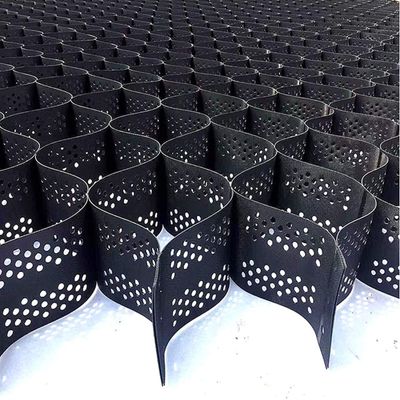
Dawnview - Geocell
Dawnview Geocell utilizes high-density polyethylene (HDPE) to create a sturdy honeycomb structure. It offers reliable load support, erosion control, soil stabilization. Suitable for various applications such as road construction, railway projects, slope protection, soil reinforcement. Our geocell boasts high tensile strength, durability, and easy installation. Its permeability aids in water infiltration & drainage, preventing soil erosion and water accumulation. Choose Dawnview for dependable geosynthetic solutions tailored to your needs.
Geocell is a type of geosynthetic material used widely in civil engineering and construction. It is a three-dimensional, honeycomb-like cellular confinement system made from strong and flexible polymeric materials, such as high-density polyethylene (HDPE), polypropylene, or polyester. These cells are typically interconnected to create a larger network or system.
In practical usage, these geocells are expanded, placed, and filled with various materials such as soil, aggregate, concrete, or other similar materials. Once filled, they create a more stable and robust structure capable of bearing loads and withstanding various forces that may be exerted upon them.
The primary function of a geocell is to confine the fill material, preventing it from lateral spreading, and thereby increasing its load-bearing capacity. This property makes geocells ideal for applications like road construction, slope stabilization, channel protection, load support, and retaining walls. Geocells can also be used for erosion control, as they can keep the fill material in place, preventing it from being washed away by water.
Due to their flexibility, geocells can be easily transported and installed, making them a practical and versatile solution for many geotechnical and civil engineering problems.
Geocells can be classified based on the material from which they are made, their height, the type of joints used, and their applications. Here are a few types:
Material-Based Classification:
High-Density Polyethylene (HDPE) Geocells: HDPE geocells are durable, resistant to chemical and biological degradation, and are often used for long-term applications.
Polypropylene Geocells: Polypropylene geocells have excellent chemical resistance and are less subject to environmental stress cracking.
Polyester Geocells: These are typically used in environments that demand higher strength, like high-stress applications.
Height-Based Classification:
Low-Height Geocells: Low-height geocells typically range from 50mm to 100mm in height and are mainly used for surface stabilization and road reinforcement.
Medium-Height Geocells: These range from 100mm to 200mm in height and are used for moderate load support applications.
High-Height Geocells: High-height geocells are over 200mm in height and are typically used for retaining walls, slopes, and embankments.
Joint Type Classification:
Perforated Geocells: These geocells have holes or perforations that allow water and gases to pass through. They are typically used for drainage and erosion control purposes.
Non-Perforated Geocells: These geocells do not have perforations and are used where water and gas permeability is not desired.
Application-Based Classification:
Roadway Geocells: These geocells are used for road construction, where they provide stability and reduce rutting.
Slope and Channel Geocells: These are used for slope and channel protection to prevent soil erosion.
Load Support Geocells: These geocells are used to distribute load over a wider area, reducing pressure on the subgrade.
Retaining Wall Geocells: These are used in the construction of retaining walls and embankments, providing stability and preventing soil movement.
It’s important to select the right type of geocell for each application, considering factors like the type of fill material, load, environmental conditions, and the desired longevity of the project.
Materials:
- High-Density Polyethylene (HDPE) Geocells
- Polypropylene Geocells
- Polyester Geocells
Colours :
Geocells are typically available in various colors, depending on the manufacturer and the specific product. The color doesn’t generally affect the performance or function of the geocell; it’s often a matter of the material used, manufacturing process, or customer preference. Here are a few common colors:
Black: Black is the most common color for geocells, primarily when made from High-Density Polyethylene (HDPE). The black color often results from the addition of carbon black, which serves as a UV stabilizer, helping the geocell resist degradation from sunlight exposure.
Green: Green geocells are often used in landscaping or slope stabilization projects where they might be visible and where blending in with the natural environment is desirable.
Tan or Brown: These colors are also used to help the geocells blend into a natural environment, especially in arid or desert regions.
White or Grey: Some geocells come in lighter colors, but these are less common, as they can show dirt and stains more readily.
Remember, the color of a geocell does not significantly influence its strength, durability, or functionality. The material type and quality, cell size, and the design of the geocell system are more critical to its performance.
Synonyms or Substitutes:
geocells are also often referred to by other names or keywords, depending on their usage or the context in which they’re being discussed. Here are a few alternate terms:
Cellular Confinement Systems (CCS): This term refers to the same technology and is probably the most commonly used alternate name for geocells.
Geoweb: This term is often used to refer to geocells, but it’s also a brand name for a specific geocell product from Presto Geosystems.
Honeycomb Grids: This term is used less frequently but refers to the honeycomb-like structure that characterizes geocells.
3D Geomatrices: This term is occasionally used to refer to geocells due to their three-dimensional matrix structure.
Geocell Confinement System: This is another variation on the term, emphasizing the confinement aspect of the technology.
Erosion Control Grids/ Mats/ Nets: These terms are sometimes used when discussing geocells in the context of erosion control.
Remember that while these terms may refer to similar technologies or products, the exact specifications and performance can vary depending on the product and the manufacturer. Always check the specific details when selecting a product for your needs.
What is Geocell used for?
Here are some key applications of geocells:
- Road Construction: Geocells are often used in road and pavement construction to increase the load distribution, thereby reducing rutting and increasing the lifespan of the road.
- Erosion Control: They are also used for slope and channel protection, as they can help hold the fill material in place, preventing it from being carried away by water flow and reducing erosion.
- Retaining Walls and Embankments: By filling the geocells with soil or other materials, they can be used to construct stable, green retaining walls and embankments.
- Railways and Airfields: Geocells can enhance the strength and durability of the foundations in railways and airfields.
- Landscaping: In landscaping projects, they are often used to create stable and even surfaces, especially on sloping terrain.
- Load Support: They are used for load support in applications where the subgrade is not strong enough to support the expected load. The geocell system distributes the load over a larger area, reducing the pressure on the subgrade.
These uses, among others, make geocells a versatile solution in civil engineering, offering enhanced stability, load distribution, and erosion control.