

BUCHI - Model G-300 -Glass Oven
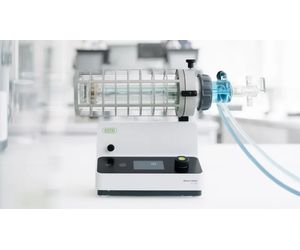
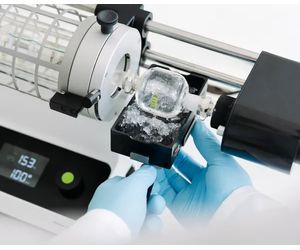
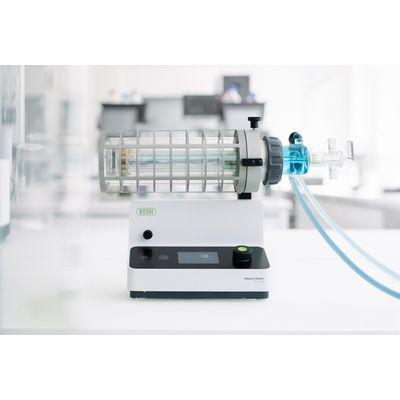
The multipurpose solution for small samples: Introducing the Glass Oven G-300, BUCHI’s all-in-one instrument for small samples. With interchangeable accessories, the Glass Oven G-300 can perform distillation, drying, sublimation, and freeze-drying, eliminating the need for multiple large instruments. Its compact size even allows placement in a glovebox, ensuring the safe handling of air-sensitive samples.
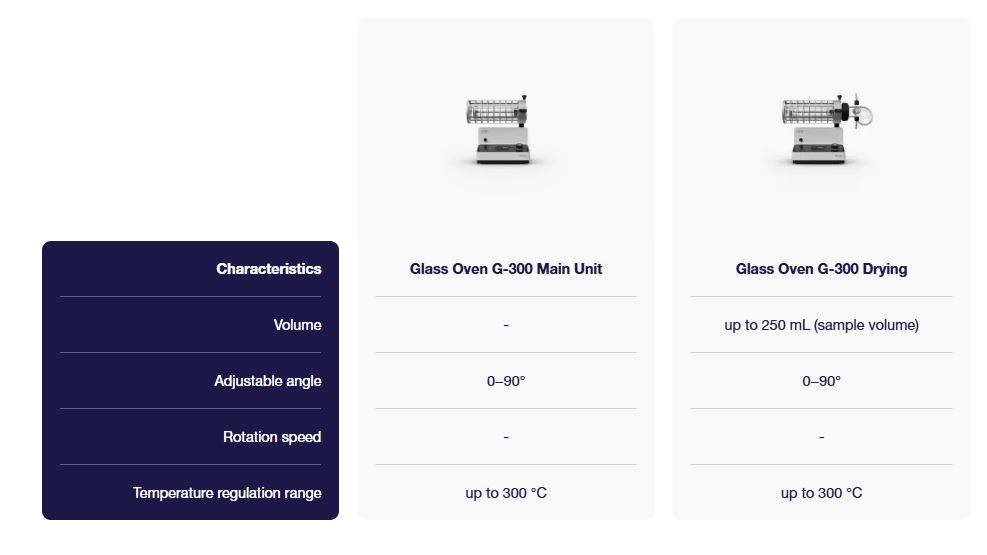
- Available accessories: Drying, distillation, sublimation and freeze drying
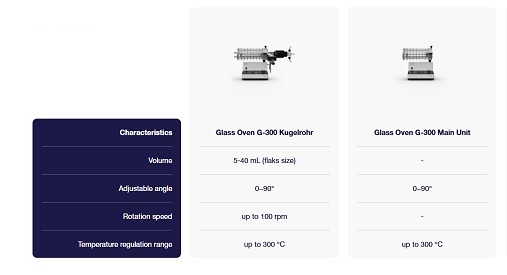
- Heating temperature: up to 300 °C
- Volume: Drying: up to 250 mL (sample vol.), Distillation: 5–40 mL (flask size)
All-In-One Solution
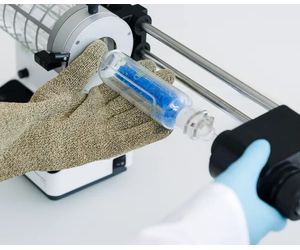
The Glass Oven G-300 comes in two configurations, each with a range of interchangeable accessories allowing for various applications. The Glass Oven G-300 Drying can be used for drying, sublimation, and freeze-drying, while the Glass Oven G-300 Kugelrohr can be used for distillation and drying under rotation.
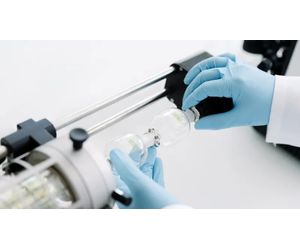
Maximize your efficiency with the intuitive Glass Oven G-300. Processing small samples on large instruments is inefficient and wastes energy. The compact Glass Oven G-300 was designed for optimal performance and ease of use, making it suitable for all skill levels and perfect for crowded labs.
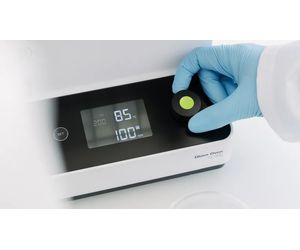
The Glass Oven G-300 features a semiconductor coating that ensures uniform heat distribution and accelerates heating and cooling. This gentle heating minimizes thermal damage to your samples, while the transparent chamber allows for real-time sample monitoring.