


Gradko International Ltd
- Home
- Companies
- Gradko International Ltd
- Products
- Gradko - Hydrogen Sulphide Measurement
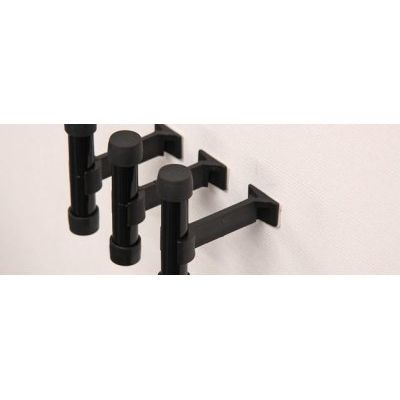
Gradko - Hydrogen Sulphide Measurement
Hydrogen sulphide (H2S) pollution is associated with an unpleasant odour, as are many other pollutants.
Most popular related searches
H2S
indoor air monitoring
H2S gas
air monitoring
ambient air monitoring
sewage treatment plant
diffusion tube
indoor air
sewage treatment
industrial sewage treatment plant
Diffusion tubes are an inexpensive way of determining the chemical cause of the odour and are easy to use, requiring no specialist skills. Sampling periods are 2-4 weeks, and therefore the tubes are used to detect the long-term presence of hazardous Hydrogen sulphide gas. Hydrogen sulphide can be detected at low levels – detection limits are in the low parts per billion range.
Sources of Hydrogen sulphide pollution:
- Breakdown of organic materials – agriculture, sewage treatment, landfill, swamps.
- Waste treatment or disposal.
- Industrial – e.g. Paper mills.
- Natural gas.
Potential implications of Hydrogen sulphide (H2S) pollution:
- Unpleasant odour.
- Headaches.
- Nausea.
- Eye irritation.
- Respiratory irritation.
- Boundary monitoring of agricultural and industrial facilities, sewage treatment plants and landfills to test for potential odour problems.
- Indoor air monitoring in treatment facilities.
- Ambient air monitoring around natural sources.
- Indoor air monitoring to identify the cause of health complaints.
- DIF200RTU-RA – Hydrogen sulphide diffusion tube with analysis
- DIF1000 – Push-in plastic fixing clip
- DIF2000 – 360mm fixing strap
- DIF2001 – 760mm fixing strap
- DIFSHLTR-S – Shelter for up to 3 tubes (optional)
Analysis is carried out in our UKAS accredited laboratories. Results are provided within 10 working days or can be fast-tracked by arrangement.
- No power supply required
- Inexpensive
- Long-term monitoring
- Low limits of detection