


- Home
- Companies
- Grande Water Management Systems Inc.
- Products
- Grande - Model ACU-VAC - Vacuum ...
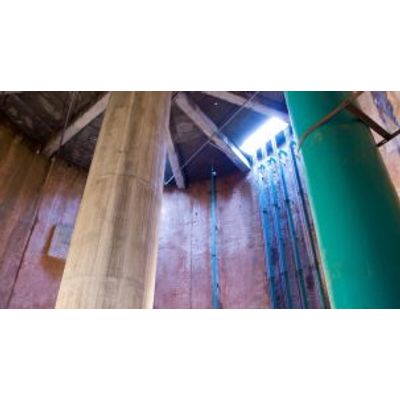
Grande - Model ACU-VAC -Vacuum Flushing System
The ACU-VAC vacuum flushing system is designed for flushing rainwater, surface water, combined sewage/rainwater, raw sewage storage tanks and equalization basins. ACU-VAC can be used in circular storm tanks (up to 65 m in diameter), rectangular storm tanks (up to 150 m in length) and sewer systems (up to 250 m in length). The ACU-VAC is designed to have a tank bottom slope of between 0.5 and 2%. Circular tanks with a diameter of 165 ft (50 m) or more can use the ACU-VAC vacuum flushing system.
- No submerged moving parts; all parts can be repaired without entering the tank
- Complete rinsing action even after small spills
- High cleaning performance
- Optimum rinsing effect for tanks up to 60 m in diameter
- No separate water supply is required. The system is rinsed with rainwater
- Low energy consumption
- Low-maintenance
- No Maintenance required inside the tank for greater health and safety
- Possibility of separate "dry" flush with external water supply
- Automatic operation
- Peripheral sump rinsing for tanks with diameters over 30 meters
- Robust design
Initially, the ACU-VAC tank and flushing chamber are empty (step 1). In the event of a storm, the combined wastewater and rainwater flows into the storage chamber and rises above the siphon level of the flush system inlet (step 2). The vacuum pump then automatically starts drawing water from the storage chamber into the flushing chamber until the maximum level in the flushing chamber is reached (step 3).
As the storm subsides and the storage chamber empties, sludge and other wastewater-related debris accumulate on the chamber floor. Throughout the process, the level in the rinse chamber is maintained under vacuum (step 4). Once the tank is empty, the rinsing sequence starts automatically; the vacuum seal is broken and a large volume of water gushes out of the rinsing chamber, evacuating all the solids from the bottom of the chamber (step 5). The complete process can be viewed below.