

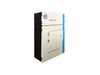
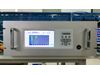
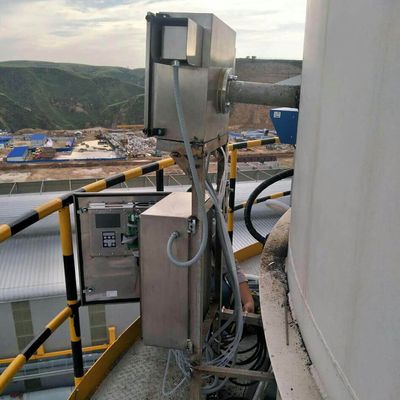
Enviro - Model ESE-LASER-HCL -Hydrogen Chloride Analyzer
TDLAS is a laser-based technique that uses tunable lasers to measure the absorption of light at specific wavelengths, allowing the targeted measurement of HCl gas. FTIR spectroscopy is a technique that measures the absorption of infrared light, which means it can measure a wide range of compounds including HCl gas.
What are the main technologies for monitoring HCL
Two main technologies are used to monitor HCl gas:
- Tunable Diode Laser Absorption Spectroscopy (TDLAS)
- Fourier Transform Infrared (FTIR) spectroscopy
We can offer
- ESE-LASER-HCL-200 online TDL HCL gas analysis system
- ESE-LASER-HCL-200P Portable TDL HCL gas analyzer
- ESE-LASER-HCL-500 online TDL HCL gas analyzer
- ESE-LASER-HCL-700 Trace HCL gas analyzer (ppb range)
How is HCL gas formed in solid waste treatment
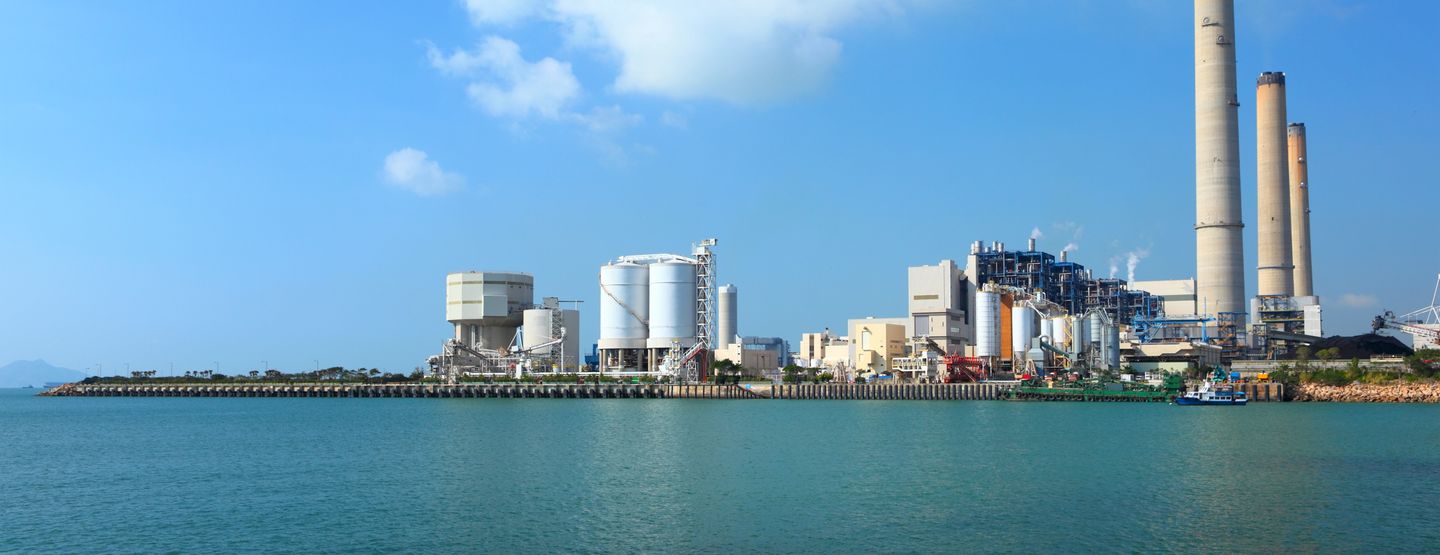
Application in solid waste treatment Chlorine is one of the important elements that cause secondary pollution in domestic waste incineration. Its existence will not only affect the design, operation and maintenance of waste incinerators, but will also be converted into HCl and cause superheater corrosion and Air Pollution. According to the research on municipal solid waste, when the simulated waste with PVC was incinerated, it was found that HCl gas was released at 250 °C, and the volume fraction released was the largest at around 300 °C, and then slowly weakened and continued to around 600 °C. When the simulated garbage with NaCl added was incinerated, it was found that a certain volume fraction of HCl gas was detected when the temperature was greater than 900 °C. HCl is also very harmful to the human body. It can corrode the skin and mucous membranes, resulting in hoarseness, and pulmonary edema and even death in severe cases. HCL in waste incineration must be regulated.
What are the main applications of Hydrogen Chloride Analyzer
Application in smelting process For the iron and steel industry, hydrogen chloride is the fifth largest air pollutant, second only to SO2, NOx, MP and fluoride. Most production processes produce and discharge HCl to varying degrees. Due to the large amount of flue gas and relatively high emission concentration, the sintering process is the largest source of HCl emissions in the iron and steel industry, followed by self-owned power plants; carbon steel pickling is also an important source of emissions.
HCL gas analyzers are used in a wide variety of industries and applications.
In the chemical, petrochemical and oil & gas industries, HCL gas analyzers are often employed to monitor emissions from combustion processes and detect traces of acid gases such as hydrogen chloride (HCl). They can also be used to measure the concentrations of organic compounds such as hydrocarbons, carbon monoxide, and sulfur dioxide. In industrial hygiene applications, HCl gas analyzers are used to detect high concentrations of the gas in areas where workers may be exposed to hazardous levels.
HCL gas analyzers can also be used for air quality monitoring or for assessing indoor air pollution. Additionally, they are commonly used to detect HCl in drinking water, so that it can be treated or removed before being delivered for consumption. In pharmaceutical and food processing, HCL gas analyzers are used to check for the presence of impurities in products during production processes. Finally, they are an essential tool in research labs for measuring the concentrations of gases and vapors present in the atmosphere.
Overall, HCL gas analyzers are a versatile and powerful tool for monitoring air quality and detecting hazardous gases in various settings. Their ability to detect trace amounts of acid gases and other compounds makes them an essential part of many industrial processes, as well as for ensuring the safety of workers and consumers. As technology advances, HCL gas analyzers are becoming increasingly sophisticated and more accurate, allowing for improved monitoring and detection of hazardous gases.
- Measured gas: HCL/HF/NH3
- Method: Tunable Diode Laser Spectrometry (TDLAS)
- Range: HCL/HF: 0-50ppm,0-100ppm,0-500ppm( Customized)
- NH3:Above 20ppm
- Accuracy: ± 1% full scale reading depending on integration stability (temperature & pressure)
- Precision: 1ppm
- Displayed resolution: 0.1ppm
- Response time: Less than 15S (at gas flow rate of 3 L/min)
- Sampling Gas Temperature: ≥180?
- Analog Output: 4`20mA DC, Insulating output, maximum load is 900 ohm,
- Digital Output: RS232/485
- Power Supply: 90-240VAC / 50/60Hz 120W
- Warm up time: 30 minutes
- Interface: RS232
- Ambient Temperature: Temp:-10-50? Humidity:0-90%RH
- Dimension: 760(H)×500(L)×255(W)mm(analysis cabinet), 580(H)×510(L)×220(W)mm(control cabinet)