

- Home
- Companies
- TerraSource Global
- Products
- Jeffrey Rader - Model DynaYield II - ...
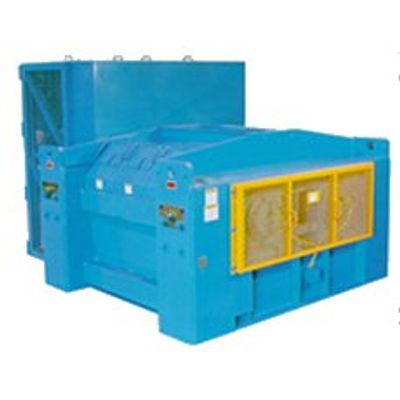
Jeffrey Rader - Model DynaYield II -Chemical Chip Conditioner for Pulping Processes
Chip Conditioners are commonly used in chemical pulping processes and the thermo-mechanical pulping process (TMP). The DynaYield Chip Conditioner primarily consists of two rolls with specially-designed, textured stainless steel segments providing the surface for conditioning, fissuring and treating the oversized and over-thick wood chips.
Low Fines and Pins
With normal oversize wood, the Conditioner typically generates less than 1% fines and 3% pins, verses Chip Slicers generating 2%-8% fines and up to 15% pins.
Reduced Maintenance Costs
Due to reduction in wear parts in contact with material, and due to low speed action of the conditioning process, the wear is significantly less that any other fom of overs processing.
Less Downtime
There are no knives to change; no wearbars to rotate; no gauge plates to adjust and replace. Typically the conditioner only requires service every two years and minimal service during that time. Available uptime is 98%-99%.
Capabilities
An important feature of the Jeffrey Rader Chip Conditioner is it`s ability to handle small portions of tramp without going offline. In slicers, a shear pin or "safeset" disconnects and shuts down the slicer under load, then the unit must be locked out, dug out, reset and/or unlocked. With the Jeffrey Rader Dynagage Conditioner, the dynamic roll is allowed to move away from the static roll, and once the tramp is through the unit, the roll automatically moves back to the proper setpoint without shutting down the flow.
The normal application for the Chip Conditioner is in a chemical pulping process, processing the oversize materials by fissuring the wood chips parallel with the grain to allow the cooking liquors to penetrate the chip, and allow the oversize chip to cook as an acceptable size chip.
Another appllication is in a thermo-mechanical pulping process (TMP), as a preconditioning device for the entire chip flow. The benefit to the pulp & paper industry is the reduction of refiner power, smoothing of power oscillation during operation and better pulp uniformity.
- With normal oversize wood, the conditioner typically generates less than 1% fines and 3% pins, versus Chip Slicers generating between 2%-8% fines and up to 15% pins
- Reduced maintenance costs
- Due to reduction in wear parts in contact with material and due to low speed action of the conditioning process, the wear is significantly less than in other forms of overs processing
- Centralized lubrication
- Temperature control in hot and cold ambient environments
- Easy access for segment maintenance
- No knives to change; no wear bars to rotate; no gauge plates to adjust and replace
- Can handle small portions of tramp without going offline