Georgia-Pacific LLC

Juno Technology

SHARE

Everyone has a part to play in solving the waste diversion and resource recovery problem – Juno can help make you a part of the solution. Juno can divert up to 90% of the municipal waste it processes away from landfills and incinerators. These reclaimed materials are circulated back into the economy for future reuse.

Most popular related searches

Receiving + Prep

Step 1

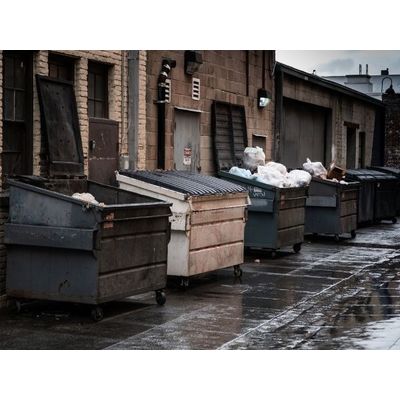
Juno can process unsorted “black bag” residential municipal solid waste or municipal-like commercial waste without any changes to collection or source separation processes. Instead of taking the waste to a landfill or incinerator, the waste is taken to a Juno site.​

After visual inspection for non-conforming waste, it is sent through a rough shredder to open bags and reduce the size of large pieces (like textiles).​


Sanitation + Wet Separation

Step 2

Waste is sent through the Juno™ Clave that uses steam, pressure, and heat to treat the waste allowing Juno to sanitize the waste, pulp up the paper fiber, and solubilize the food. ​

After exiting the Juno Clave, the material goes into a wet separation unit that uses Georgia-Pacific’s extensive knowledge of paper fiber cleaning to separate the paper fibers from the rest of the waste. This is what sets Juno apart from other waste and recovery technologies. Additionally, solubilized food is carried away from the other recyclable materials.​


Fiber Recovery

Step 3

Juno’s proprietary wet separation process (step two) sends a stream containing pulp and solubilized food to the fiber recovery area where we use standard paper processing equipment to clean and dry the fiber. The fiber can then be shipped to paper mills as ready-to-use, clean, brown, recycled pulp. ​


Renewable Biogas + Water Treatment

Step 4

The majority of water used during the processing is recycled. The water used during the fiber recovery process, which also contains the solubilized food waste, is sent to an anaerobic digester. This helps clean the water and allows for the creation of renewable biogas. The biogas is then used to create steam for the Juno™ Clave or put back on the grid.​


Solid Materials Recovery Facility

Step 5

The larger, non-paper materials from wet separation (step two) contain valuable recyclables such as rigid plastics, metals, and other materials. The Juno process uses standard material recovery facility equipment like magnets, eddy currents, optical sorters, and other separators to pull these recyclables out.​


Engineered Fuel

Step 6

After recyclable materials are recovered (step five), the remaining residual materials are processed into a clean renewable engineered fuel that can be used to create electricity and/or heat while replacing fossil fuels.​


Renewable Biogas + Electricity

Step 7

The Energy Recovery Facility will take the renewable biogas and/or the engineered fuel to generate clean renewable energy that powers the facility and generates electricity for the grid.​


The Result

Juno diverts up to 90% of the waste it processes away from landfills and recovers valuable materials for beneficial reuse.​

A standard Juno Technology run recovers Juno™ Fiber – recycled paper fibers that can be turned back into food-safe paper-based packaging.  These fibers typically represent around 20% of the waste stream. Through SCS Global, facilities that process and use Juno Fiber can become certified.  Becoming Juno Fiber Certified supports landfill diversion and promotes circularity of previously landfilled waste. 

Juno’s mission to increase recycling and recovery of materials that are currently wasted will work best when we work together. With partners and investors, Juno can reach more places, process more waste, and recover more resources – bringing job opportunities, environmental benefits, and enabling circularity in communities around the world.