

- Home
- Companies
- Kabra Technocam
- Products
- Kabra - Link Bushes for Automobiles
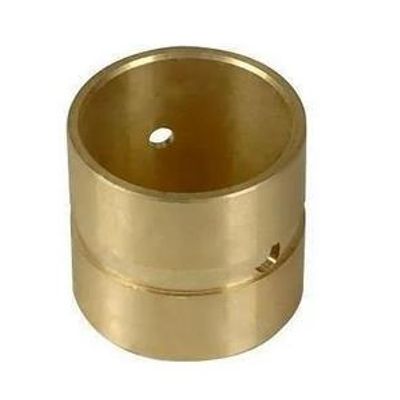
Kabra - Link Bushes for Automobiles
Link bushes for automobiles play a vital role in ensuring smooth and safe vehicle operation. These components are known for their durability and reliability. Whether you’re a car enthusiast, mechanic, or simply curious about these crucial parts, this comprehensive guide will provide you with all the information you need. In this article, we will explore the manufacturing process, applications, link bush alloys, specifications, technical data, and frequently asked questions about link bushes for automobiles.
Manufacturing Process: Link bushes for automobiles are typically manufactured through processes like forging or machining. These methods result in sturdy and reliable components that can withstand the demands of the automotive environment.
Sizes: Link bushes for automobiles come in various sizes to accommodate different vehicle makes and models. Common size ranges include inner diameters from 1/4 inch to 2 inches or more, outer diameters from 1/2 inch to 3 inches, and lengths from 1 inch to 4 inches or more. These sizes are designed to fit specific suspension and steering components.
Applications: Link bushes for automobiles are essential components in various parts of a vehicle, ensuring smooth and safe operation. Some common applications include:
- Suspension Systems: Link bushes are used in the suspension system to provide flexibility and control over rough terrain.
- Steering Mechanisms: They play a crucial role in the steering mechanism, ensuring responsive and accurate control of the vehicle.
- Chassis Components: Link bushes are found in various chassis components, enhancing the structural integrity of the vehicle.
- Engine Mounts: These bushes are used in engine mounts to reduce vibrations and maintain engine stability.
- Transmission Systems: Link bushes contribute to the smooth operation of transmission systems in automobiles.
Alloys: Link bushes for automobiles are typically made from materials such as rubber, polyurethane, or various metals. The choice of alloy depends on factors like load-bearing capacity, durability, and the specific application.
Specifications: Link bushes for automobiles must meet industry standards and specifications, ensuring they can withstand the rigors of the automotive environment. These standards may vary by region and manufacturer, but common ones include ISO, SAE, and ASTM standards.
Technical Data Sheet: For detailed technical information, consult the manufacturer’s technical data sheet for the specific link bush alloy you intend to use. These sheets provide insights into mechanical properties, chemical composition, and more.