


PacTec - Model LandPac -Landfill Covers
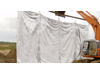
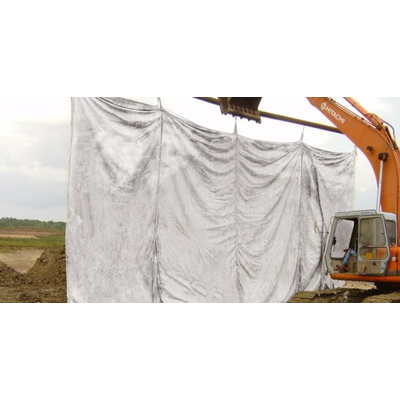
The LandPac Cover is an alternative daily landfill cover that replaces the application of six inches of topsoil at the end of each operating day, as required by law, saving man-hours and reducing other operational expenses. The Environmental Protection Agency has mandated the daily application of a landfill cover for health, sanitation, pest, and odor control, but applying six inches of soil daily is expensive. Compared to using a landfill cover, the cost for soil application is higher for labor, equipment operating expenses, and the excavation, delivery, and placement of the topsoil. Landfill tarps are much more economical and practical.
These landfill covers will shed surface water, prevent blowing litter, control disease vectors, prevent waste fires and reduce scavenging. You can also minimize the absorption of liquids into the soil or waste to minimize leachate. Controlling each of these processes upfront represents cost savings in the future. The landfill soil covers have many other uses besides covering landfills too. For example, they are ideal for preventing soil erosion due to wind and rain during construction projects, agricultural operations, or soil remediation by environmental field services.
- Soil remediation
- Can replace daily soil coverage
- Odor control
- Minimizes water infiltration
- Can be manufactured from flame-retardant materials
- Custom sizes available
- Lower costs of traditional ADC
- Reduces odors
- Controls debris
- Increases landfill life
- Landfill tarp is used with an auto-covering system or is manually applied
- Standard and customizable sizes are available
- Standard landfill cover tarps are made with polymeric materials that offer moisture, dust, and odor control- but customers can order flame retardant material
- Reduces the landfill’s attraction for disease-carrying animals and birds
- Affordable products to make the job easier
- Landfill odor control products benefit landfill workers and people living in the surrounding area, minimizing the chances of expensive OSHA fines and lawsuits claiming community health hazards