


- Home
- Companies
- Linde Polymer Tec Co., Ltd.
- Products
- Linde - Conductive Elastomer Seals
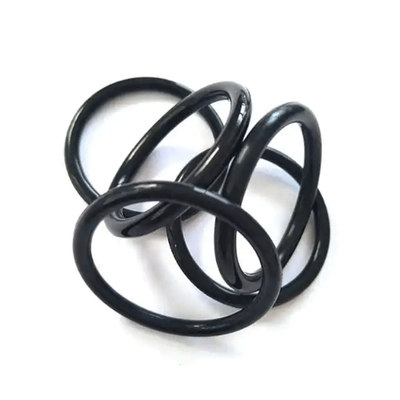
Linde - Conductive Elastomer Seals
Conductive elastomer seals, synonymous with conductive rubber seals, play a significant role in industries requiring robust electrical connections shielded from environmental interference. These seals are a sophisticated blend of conductive fillers like carbon black or metallic particles within an elastomeric matrix such as silicone, which provides both conductivity and mechanical properties. Their electrical conductivity ensures a reliable flow of current between mating surfaces, which is crucial in averting disruptions or signal losses. In addition to their electrical properties, these seals offer exceptional sealing capabilities, guarding connections against environmental contaminants like moisture and dust. Their flexibility allows seamless adaptation to surface variances, while their resilience ensures long-term performance under compression or temperature fluctuation. They also boast chemical resistance, making them robust against harsh substances. Widely used in fields such as aerospace, automotive, medical, telecommunications, and industrial manufacturing, these seals provide essential grounding and shielding, guaranteeing operational integrity and reliability in sophisticated environments.Conductive elastomeric seals play a crucial role in various industries where electrical connections need to be protected from environmental factors.
These seals are designed to provide both electrical conductivity and sealing properties, making them ideal for applications that require reliable and efficient electrical connections.
Conductive elastomer seals, also known as conductive rubber seals, are specialized sealing components that possess both electrical conductivity and elastomeric properties. These seals are typically made from a combination of conductive fillers, such as carbon black or metal particles, and elastomeric materials, such as silicone or fluorosilicone. The conductive fillers provide the necessary electrical conductivity, while the elastomeric matrix ensures flexibility and resilience.
Product name : Conductive elastomer seals
Material : Rubber, silicone, metal, carbon fiber
Hardness (Shore A) : 20 to 90
Applicable temperature °C : -60 to 300
Color : Black, blue, yellow, green, custom
Size : Standard, Custom
Advantages : Electrical conductivity, wear resistance, chemical resistance, good elasticity
Application : Electronics, electrical appliances, communications, aerospace
Electrical Conductivity
The primary feature of conductive elastomer seals is their ability to conduct electricity. This property allows them to provide a reliable electrical path between two mating surfaces, ensuring efficient electrical connections. The conductive fillers within the seal enable the flow of electrical current, preventing any potential disruptions or signal loss.
Sealing Properties
Conductive elastomer seals are designed to provide excellent sealing capabilities, protecting electrical connections from moisture, dust, and other environmental factors. These seals create a barrier that prevents the ingress of contaminants, ensuring the longevity and reliability of electrical systems.
Flexibility and Resilience
The elastomer nature of these seals allows them to conform to irregular surfaces, ensuring a tight and secure fit. This flexibility enables the seals to accommodate dimensional variations and surface imperfections, providing a reliable seal even in challenging environments. Additionally, the resilience of the elastomeric material ensures that the seals maintain their sealing properties over time, even under compression or temperature fluctuations.
Chemical Resistance
Conductive elastomer seals are often resistant to a wide range of chemicals, making them suitable for applications where exposure to harsh substances is expected. This resistance ensures that the seals remain intact and functional, even in chemically aggressive environments.