


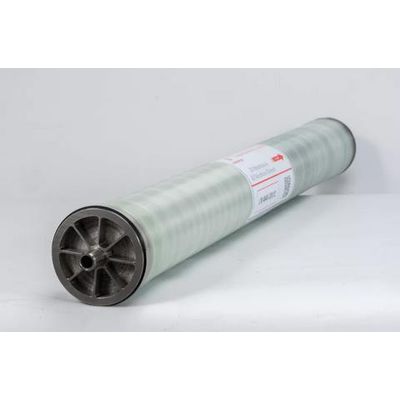
Longmem - Model LM8040-GSV12-FL1 -Gas Separation Membrane Element
LM8040-GSV12-FL1, gas separation membrane element is a device or component that uses a membrane to selectively separate and purify different gases based on their molecular size or affinity. The membrane is typically made of a polymer material with specific properties that allow certain gases to pass through while blocking others.
- Model:LM8040-GSV12-FL1
- Brand:Longmem
- Size:40"x7.9"x1.125"
- Weight:15kg
- Package:Carton, OEM/ODM
- Delivery Time: 7-14 days
- Certificate:ISO9001,ISO50001,GJB9001C,EAC,HALA,NSF
- OEM/ODM:Accept
- Application:Air Dryers, Carbon Dioxide Removal ,New Energy Industry and etc.
A gas separation membrane element is a key component used in gas separation processes, such as nitrogen generation, carbon dioxide removal, and oxygen enrichment. It consists of a membrane material that has selective permeability to certain gases.
The membrane is typically made of polymers or ceramic materials with specific properties that allow the preferential passage of certain gases based on their molecular size or affinity. The membrane element is designed in a way that maximizes the surface area available for gas separation while maintaining structural integrity.
When a mixed gas stream passes through the membrane element, different gases are separated into two streams: permeate and retentate. The permeate stream contains the purified or enriched gas that has successfully passed through the membrane, while the retentate stream contains the remaining impurities or depleted gases.
Gas separation membrane elements find applications in various industries including petrochemicals, food and beverage production, pharmaceuticals, and electronics manufacturing. They offer advantages such as low energy consumption, compact size, continuous operation, and environmental friendliness compared to traditional gas separation methods like cryogenic distillation or adsorption processes.
The LM4040-GSV12-FL1 gas separation membrane element, the exact manufacturing process of this specific membrane element may not be publicly disclosed, as it likely involves proprietary technologies and methods.
However, in general, the manufacturing process for gas separation membrane elements involves several steps:
1. Material selection:
Membrane materials with suitable properties for the desired gas separation are chosen. This could include polymers such as polyimides or polymeric blends, or ceramic materials.
2. Membrane casting:
The selected membrane material is prepared and cast onto a suitable support material or substrate. This can be done through various techniques like solution casting, phase inversion, or electrospinning.
3. Surface treatment:
The membrane surface may undergo treatments to enhance its performance and durability. For example, it may undergo chemical modification or coating to improve selectivity or resistance to fouling.
4. Element assembly:
Multiple layers of the prepared membranes are assembled into a module structure that allows for efficient gas separation while ensuring mechanical stability and integrity.
5. Sealing and connection:
The module is sealed to prevent leakage and connected to appropriate inlet/outlet ports for the feed gas stream.
6. Testing and quality control:
Each manufactured membrane element undergoesrigorous testing to ensure its performance meets the desired specifications. This can include tests for gas permeability, selectivity, pressure drop, and structural integrity.
It is important to note that the specific manufacturing process may vary depending on the type of gas separation membrane element and the manufacturer. Additionally, companies like Membrane Solutions may have their own unique processes and technologies for producing their products.