
Unicon - Mist Separator - Candle Filter
Capture and remove fine mist from gas streams with our high-performance candle filters, ensuring optimal air quality and equipment longevity.
Unicon recovers chlorine gas from anode cell output, using advanced heat exchangers to cool and manage submicron NaCl mist.
Benefits of Unicon`s Mist Removal Solutions:
- Increased Product Purity
- Reduced Sulfuric Acid Use
- Lower Moisture Levels
- Optimized Production
- Lower Cooler Fouling Rates
- Minimized Sodium Sulfate Formation
Recovered chlorine gas moisture is removed with sulfuric acid in our drying tower. Unicon’s Mist Separator - Candle Filter efficiently captures the sub-micron mist.
Benefits of Unicon's Mist Removal Solutions:
- Extend System Life
- Improve Product Purity
- Boost Efficiency
- Avoid Compressor Damage
- Lower Maintenance Costs
- Prevent Corrosion
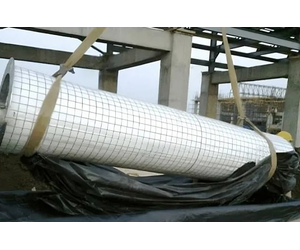
Hydrogen bubbles create mist in Sodium Hydroxide (NaOH) solution. Unicon’s mist eliminators ensure clean, dry hydrogen gas for storage.
Benefits of Unicon's Mist Removal Solutions:
- Prevents Storage Tank Damage
- Protects Equipment
- Higher Purity
- Reduces Burner Fouling
- Enhances System Efficiency
- Prevents Compressor Damage
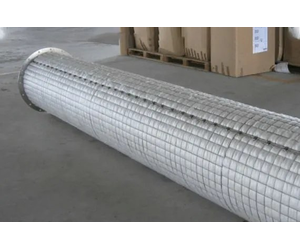
Unicon’s candle filters clean gas streams with fine mist particles using densely packed fibers. Liquids separated by Brownian or impaction methods drain off by gravity.
Benefits of Unicon's Mist Removal Solutions:
- Filter quantity depends on pressure loss and efficiency needs, with Drying Towers favoring Demisters or Mesh Pads for easy installation and low pressure loss.
- Impaction candles typically have media velocities of 1.5 m/sec and a design pressure loss of 100 to 150 mm WC.
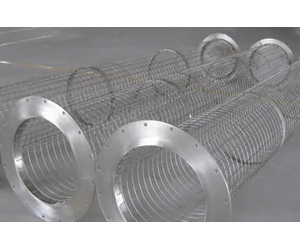
- Carbon fibers are used where HF corrodes glass fiber, while cage assemblies are made from Stainless Steel 316 L/316 for durability.
- Intermediate Absorption Towers use Brownian Diffusion Candles to capture submicron mist, protecting downstream heat exchangers. They operate at 0.15 m/sec with a design pressure loss of 150 to 250 mm WC and achieve 100% removal of particles over 3 microns.