Model BIO CNG -Fuel for Cars and Power Plants
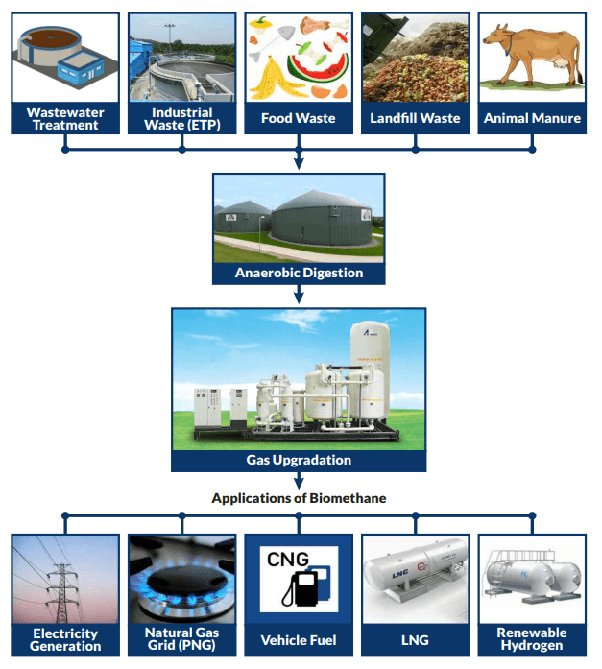
Agricultural waste, manure, municipal garbage, plant matter, sewage, green waste, and food waste sugarcane press mud can all be broken down into Biogas without oxygen (Anaerobic Process). This mixture becomes bio-compressed natural gas after additional purification and processing. It is a cleaner alternative to fuels like gasoline and diesel and is similar to natural gas in terms of composition and quality. In India, bio-CNG has enormous potential, particularly as a substitute for the more popular CNG and liquefied petroleum gas (LPG or Liquefied Petroleum Gas). Bio-CNG can be a better substitute for CNG and LPG in hotels, households, automobiles, etc.
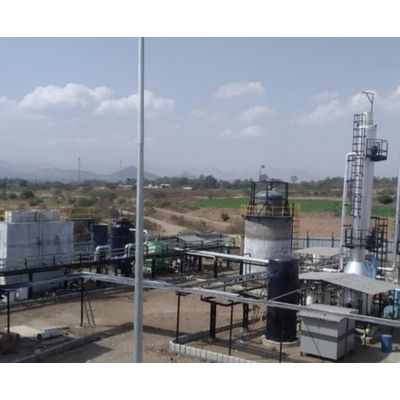
Bio-CNG is created from Biogas through the simple and easy process of desulfurization, upgrading, and compression. Biogas is first desulphurization if the hydrogen sulphide content is greater than 1,500 ppm. The improved desulfurized Biogas is then compressed and packaged in a cylinder to produce bio-CNG, a composition similar to CNG`s.
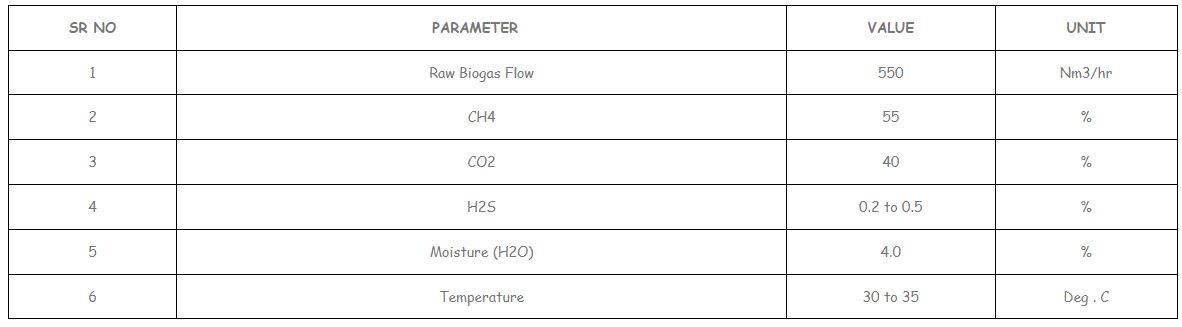
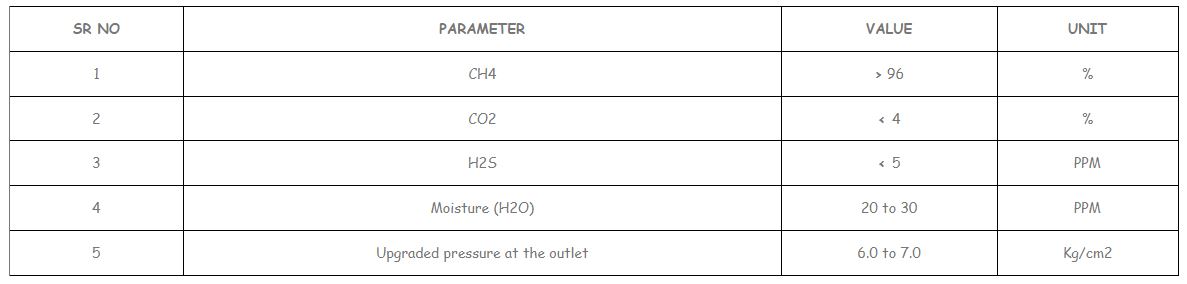
Biogas has a methane content of 55–65% and a carbon dioxide content of 35–45%, compared to 92–98% for Bio-CNG and just 2–8% for Biogas. Bio-CNG is the most ideal fuel for cars and power plants due to its high methane concentration, calorific value, low moisture, hydrogen sulfide, and impurity content. Additionally, Bio-CNG is a more environmentally friendly fuel than Biogas due to its low emission levels.
The process then moves on to filter the Biogas created by the anaerobic breakdown of straw to produce highly purified bio methane. Due to its acidic composition, H2S can cause equipment to corrode when it is present in Biogas, and it is also harmful to both human and animal health. Since CO2 in Biogas is also corrosive, it should be considered an impurity. This necessitates the purification process to qualify Biogas as natural gas, which is both healthy and environmentally friendly.
Popular methods of purification are
- Scrubbing
- Chemical absorption
- Membrane purification
- Cryogenic separation
- Biological processes
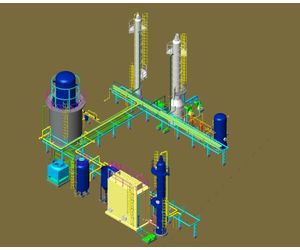
Bio-CNG has now been collected and is ready for distribution in two-wheelers, vehicles, trucks, and tractors. The economics of bio-CNG are examined. Since the cost of producing Bio-CNG is 20 to 50% lower than that of other fuels like CNG and other petroleum products, it is significantly less expensive than CNG and other fuels. The most effective alternative to the gaseous and petroleum fuels that are currently available is bio-CNG.
Bio-CNG, on the other hand, can be produced economically. There is already a market for CNG, and it has a low carbon footprint. This makes it the most viable commercial opportunity in India. While government-backed departments have installed successful plants in Pune and other parts of Maharashtra, private initiative is still lacking in producing bio-CNG commercially.