


- Home
- Companies
- Enchlor, Inc.
- Products
- Enchlor - Model Gasblaster LSX-100/200 ...
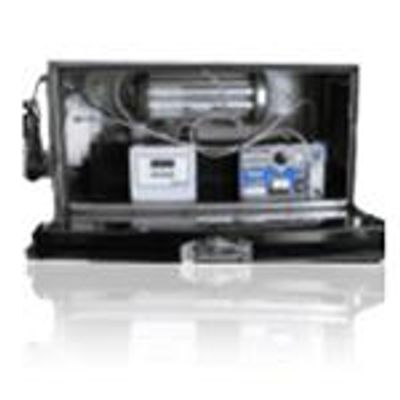
Enchlor - Model Gasblaster LSX-100/200 -Odor Control System
Effective (odor & VOC destruction). Low capital costs. Low maintenance / Small footprint. No chemical/ desiccant replacement. Destroys odors inside the facility . No expensive or bulky ducting. No energy-consuming fan / blowers.
The treatment and transfer of wastewater produces odor emissions what are sometimes disturbing for the population living nearby a waste treatment facility or pumping station. The main sources of bad odors are sludge and its treatment as well as the collecting and primary treatment stages. The measurement of odors and the tolerance threshold of bad smells are subjective and no legislation about it has been made. Nevertheless wastewater plant managers try to limit the emission of odors. The two main sources of nauseous odors are H2S and NH3.
To aid in the removal of these odors, Enchlor Inc. has developed the Gasblaster Series of Ozone generators specifically designed to remove these odors. The Gasblaster prevents these odors from escaping the treatment or transfer chamber by injecting high concentrations of ozone into the air above the wastewater providing destruction of the offending gaseous odors and reducing them to simple compounds that simply return to the wastewater for disinfection.
Direct Ozonation
Two methods are available to control the odors related to wastewater facilities and treatment, the simplest one is the direct ozonation. This method is suitable for small plants and can be relatively inexpensive. The alternative is washing the air with ozonized water. This last method is more complex and reserved to large plants.
The method of elimination of odors by direct ozonation consists in putting in contact ozone molecules (03) and nauseous molecules (H2S, NH3 and CH4). Those last compounds are mainly reducers whereas ozone is a strong oxidant, consequently they react so that the ozone molecule looses an oxygen atom and an oxygen molecule (02) is released. At the same time the addition of an oxygen atom to the odorous compound provokes it to break up into smaller compounds or to transform into a stable compound. Those new molecules are not odorous.