


- Home
- Companies
- HeatMatrix Group B.V.
- Products
- HeatMatrix - Ovens, Kilns & Calciners
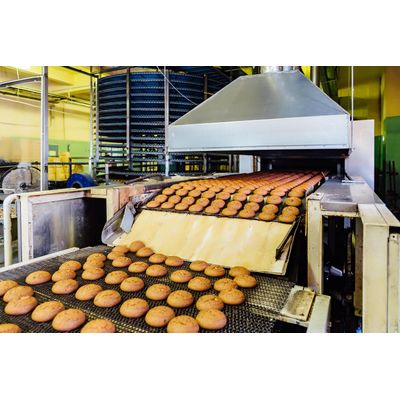
HeatMatrix - Ovens, Kilns & Calciners
The oven efficiency can be improved by using a polymer air preheater or economiser.Corrosion and fouling limit heat recovery. Polymer economisers and air preheaters are corrosion resistant and fouling can be easily cleaned.
The required heat in Ovens, Kilns or Calciners is generated by firing fuels like natural gas, hydrogen rich gas, fuel oil. The heat loss can be significant. Recovering this heat can be challenging due to the fouling and sometimes corrosive character of the exhaust air, product vapours and flue gas.
Hot exhaust air and flue gas from Ovens, Kilns or Calciners are vented into the atmosphere. The exhaust air or flue gas may contain: combustion products from the fuel, components released from the processed products and dust particles. In general, the exhaust air and flue gas tend to be fouling and/or corrosive due to the components present. When the flue gas is cooled to recover heat, the acids will condensate and fouling accumulates.
The first and most important question to answer is what to do with the recovered heat. Heating up water is one of the options. The hot water can be used as process water or water for cleaning purposes. The hot water can also serve as an energy carrier for heating buildings or to export the heat to neighbours. To prevent corrosion and deal with fouling, a polymer or stainless steel Economiser – which is corrosion resistant and has good anti-fouling properties – is applied.
A second way to improve the efficiency of your oven, kiln or calciner is by heating up combustion air or warming up oven circulation air. The hot air can also be exported for drying purposes. To prevent corrosion and deal with fouling, a polymer air preheater – which is corrosion resistant and has good anti fouling properties – is applied.
All HeatMatrix heat exchangers can be equipped with an in-line cleaning system. This prevents blocking of your heat recovery system. Water or other cleaning liquids can be used. Condensate and washing liquids are collected separately and can not flow back to your process.