


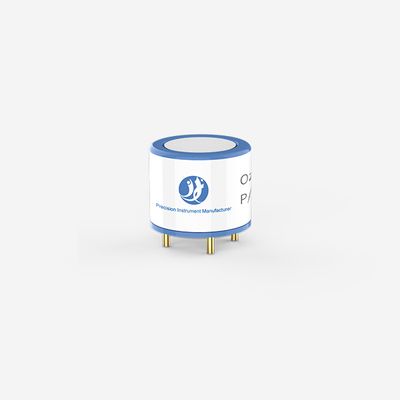
JXCT - Model JEC-O3 -Ozone Electrochemical Gas Detection Module – O3 Gas Sensor
Electrochemical O3 gas sensor is a gas detection instrument that uses electrochemical gas detection technology to detect ozone gas concentration in the air. Electrochemical O3 gas sensor has good selectivity, stability built-in temperature sensor, can be temperature compensation; With digital output, easy to use. The ozone sensor is a universal gas module designed and manufactured by combining mature electrochemical detection technology with excellent circuit design. It is widely used in the production of various portable and stationary gas detection equipment and in various occasions and equipment requiring gas detection.
High sensitivity and resolution
Leading technology, the product enters the gas detection environment, the response speed is fast, after leaving, return to zero speed is also very fast.
High-performance chips
Breakthrough process, three electrode structure design product performance significantly improved.
Waterproof breathable membrane
High protection, easy to clean, waterproof breathable membrane effective protection from particles and water vapor; Easy to clean and repair.
Small size and light weight
Small size, easy to install, can be mounted on portable, fixed, pipe and other appearance sensors used.
- Model: JEC-O3
- Measuring range: 0-10ppm / 0-20ppm / 0-100ppm
- Sensitivity: -0.6 0.15uA/ppm/ -0.15 0.04uA/ppm
- Resolution: 0.01ppm/0.1ppm
- Detection principle: electrochemistry
- Temperature range: 0-50°C
- Humidity range: 0~90%RH (non-condensing)
- Pressure range: 1 to 0.1 (standard atmosphere)
- Shell material: ABS
- Weight: 5g
- Please connect the electrode foot correctly, the wrong connection position will affect the normal work of the sensor; Sensors should avoid contact with organic solvents, paints, oils and high concentration gases; Do not use adhesive directly on or near the sensor to prevent breakage of the plastic casing.
- Target gas is recommended for calibration. If cross-sensitive gas is used for calibration, the accuracy of calibration and measurement cannot be guaranteed.
- Cross sensitivity can fluctuate by up to 30% and may vary with the production lot of the sensor and the life of the sensor.