



PacTank - Dewatering Filter
FromPacTec, Inc.
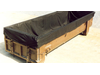
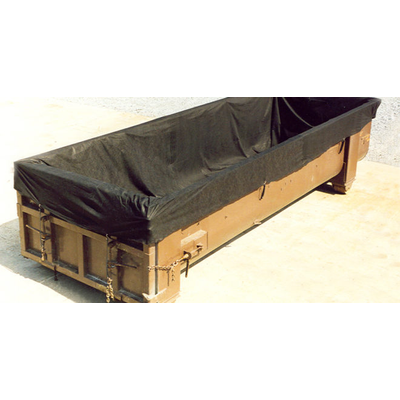
PacTec’s dewatering filters automatically separate solid and liquid during a sludge dewatering process. Also known as sediment filters, they are placed in dewatering containers- meaning no need for additional dewatering boxes. This streamlines the filtering process in a way that can save your company money. As a result of this filtration, the compacted, dry waste has less weight and volume- ultimately minimizing waste disposal costs.
Most popular related searches
dewatering filter
environmental remediation project
wastewater treatment plant
dewatering box
sludge dewatering system
drinking water facility
waste disposal cost
dewatering
dewatering process
marine dredge
Operations that can benefit from using these specially designed filters include:
- Wastewater Treatment Plants
- Power Plants
- Drinking Water Facilities
- Industrial Sludge Pits
- Cooling Towers
- Agricultural Operations
- Construction Projects
- Environmental Remediation Projects
- Mining/Marine Dredging
- …and more!
- Industrial Sludge Pits
- Marine Dredging
- Environmental Remediation Projects
- Cooling Tower Sludge
- Paint Sludge
- Sump Cleaning
- Easy to install and use
- Mesh options for faster dewatering
- Cloth options available for heavy metals and hydrocarbons
- Affordable & disposable
- Works with most industrial dewatering box sizes/designs
- Reduces disposal volume
- No volume increases associated with using solidifiction agents
- Dewatering filters improve the results of the dewatering process by enhancing the natural filtering system.
- Dewatering filters are made of fabric geotextile or mesh. Both materials are proven to efficiently separate liquid and solid waste material, or cloth filters that have a smaller pore size can be used for separating heavy metals and hydrocarbons.
- Filtered solids may contain as low as eight to fifteen percent moisture, depending on the dewatering filters and processes used.
- Standard dewatering filters are available in sizes that accommodate most dewatering boxes, with filters available for specialized dewatering containers.
- Available filter micron ratings range from 50 to 260 microns, enabling the matching of the dewatering filter to the type of application.
- Depending on the application, water can be recycled into a processing plant, reducing the amount of freshwater needed.