

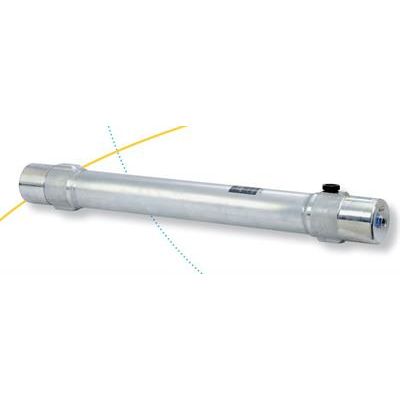
PRISM - Model PA -Nitrogen Membrane Separators
PRISM membrane separators are used to generate high-purity nitrogen from compressed air. These robust and durable separators use hollow fiber membrane technology to molecularly separate nitrogen from other components in compressed air. The resulting stream of nitrogen is pure, dry, and ready to use in most industrial applications.
Every PRISM membrane separator is hand assembled and tested in our AS9100 certified facility. You can be confident that each separator will perform as promised.
A PRISM PA membrane separator`s primary role is to separate compressed air into nitrogen. The majority of applications are to generate nitrogen for use as an inerting gas to eliminate flammable atmospheres or to preserve items that oxidize in air. PRISM PA membrane separators are assembled with Nl, N2, or P3 membrane fibers. The PA membrane separators will generate nitrogen purity up to 99.9%.
Nl fiber is used in applications where high volumes of nitrogen are required from the system. Application examples include inerting produce warehouses and cargo holds of ships, inerting oil and gas transport ships, hypoxic air, fire prevention and dozens of other applications where nitrogen is used.
N2 fiber is similar to Nl but is used where there is extreme cycling of the membranes. Applications for N2 fiber include beverage dispensing and tire filling applications.
P3 fiber is a highly selective membrane. This membrane has a lower volume throughput when compared to the Nl fiber, but it produces more nitrogen per volume of compressed feed air. The P3 fiber has the highest selectivity that is commercially available. This is used where compressed air is limited or power resources for generating input air need to be conserved. Application examples include off-shore oil platforms and marine use.
- Tire filling
- Inerting/blanketing
- Gas processing
- Oil and gas
- Circuit board manufacturing
- Food packaging
- Food storage
- Controlled atmospheres
- Metals processing
- Controlled combustion
- Plasma cutting
- Autoclave inerting
- Pipeline purge
- Fuel tank inerting
- Beverage dispensing
- Chemical sparging