


- Home
- Companies
- Bioflow Industries Pvt Ltd.
- Products
- Bioflow - Model NCL & NCT - PVC Joint ...
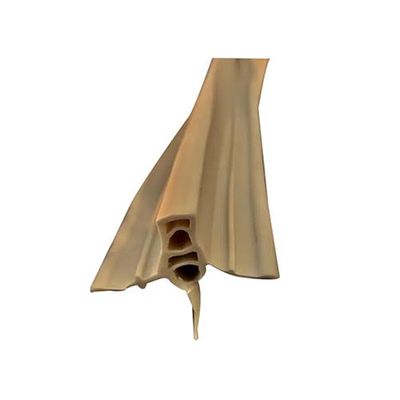
Bioflow - Model NCL & NCT -PVC Joint Seals
Canal lining plays a crucial role in preventing water seepage, enhancing the overall efficiency of irrigation systems and water management. Among the various components involved in canal lining. Bioflow Industries Pvt Ltd is one fastest growing manufacturer and supplier of PVC joint seals, which have emerged as a highly efficient solution.
PVC joint seals are specialized materials used to seal joints and connections in canal lining systems. These seals are designed to provide a watertight barrier, preventing leakage and ensuring the efficient flow of water. PVC joint seals are made from high-quality polyvinyl chloride (PVC) materials, known for their flexibility, durability, and resistance to environmental factors.
Canal lining has become increasingly important in modern agricultural practices. By preventing water seepage, canal lining helps conserve water resources and improves water efficiency. It also reduces soil erosion, increases crop yield, and minimizes the risk of waterlogging. Effective canal lining is essential for sustainable irrigation systems and overall water management.
PVC joint seals act as a protective barrier in canal lining systems. They are installed at joints and connections, sealing them tightly to prevent water leakage. The flexibility of PVC joint seals allows them to accommodate movements and changes in the canal structure without compromising the integrity of the lining. This ensures a continuous and uninterrupted flow of water.
- Water and sewage disposal projects
- Liquid Containments
- Dams, channels, tunnels and tanks
- Box culverts and locks
- Primary and secondary containment structures
- Bridges and decks abutments
- Wall and slabs
- Wall and slabs
- Basements and foundations
- Supporting as a waterproofing seal at the construction joints.
- Allowing the independent movement of each section at the joints to protect the structural movements of the sections.
- Rigid enough to place firmly in position and shape during the installation and concrete placements.
- Create a bond between concrete without letting a previous concrete.