


- Home
- Companies
- LionHeart Critical Power Specialists
- Products
- Radiator Replacement
Radiator Replacement
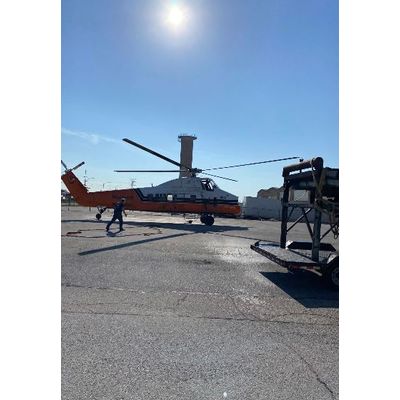
Industrial and commercial radiator replacement procedures vary based on installation location within the facility and style of radiator, engine mounted radiator, remote radiator, vertical or horizontal. LionHeart Critical Power Specialists handles all aspects of radiator replacement, no matter the situation required. We have hand-assembled radiators on a rooftop when the worksite couldn’t be accessed by a crane, and have also coordinated an air-crane (helicopter) to remove an old radiator and install the new assembly. Additionally, we have the ability to provide professional riggers to move the radiator assembly into very tight locations. Have your radiator replacement completed by industry professionals that will handle the task effectively and efficiently.
Leaks on the radiator can come from the tubes inside the cores, the gaskets that seal the radiator or cores together, the upper or lower tanks, or the radiator filler neck. When a radiator has leaking coolant, this can present a higher level of urgency to complete the radiator replacement or radiator repair, as the coolant level can drop to an unsafe level and further cause engine damage due to high engine temperatures.
Radiator cores can become clogged from debris introduced into the cooling system, chemical reactions within the coolant and the engine, or a general breakdown of material within the cooling system.
In some rare situations, radiators can be damaged from external sources such as debris (nuts, bolts, rodents, etc.) within the generator room, enclosure, or surrounding area where the radiator is installed. Keeping the generator room clean is critical for a variety of reasons, but will also eliminate loose material that could be picked up by the air flow and sucked through the fan guard, into the radiator, potentially damaging fins or tubes.
Most commercial radiators will last 20-30 years, however, the lifespan depends on several factors such as:
- Cooling system maintenance practices.
- Initial build quality.
- Environment in which the generator/radiator are operated.
Radiators that are soldered together, similar to car radiators or those in smaller generators, are made to last 15-25 years. Their materials are constructed of thinner metals and are not as heavy-duty, frequently causing pinhole leaks in the upper or lower radiator tanks.
The environment in which commercial radiators are operated in also has a significant effect on their expected lifespan. These units live within commercial generators.
Similar to components in a car or truck where radiator replacements are sometimes required, due to damage from road salt, environmental factors can apply. Commercial radiator replacement is necessary when damage occurs from extreme cold, hot ambient temperatures, and dry/humid swings in the weather.
Although commercial radiators aren’t traveling down the road, if your unit is located along a roadway or sidewalk, salt can affect the radiator components and cause premature failure. Radiators operated on the East or West coast, near an ocean, can also be impacted. These units sometimes require special radiator construction, using corrosion resistant materials. This can increase costs, but will ensure the longevity of the cooling system.
- The radiator allows warm coolant to be circulated, by the engine’s water pump(s), from the engine.
- It then passes through the radiator(s), along with a high volume of air flow from an engine driven fan or motor operated fan, which cools the coolant as it passes through the radiator core tubes
- The tubes dissipate the heat across the fins.
- In short, the radiator prevents the engine from overheating, particularly when functioning under a heavy load.
Additionally, some larger commercial radiators may have a separate, second, radiator core section that serves the purpose of chilling the coolant which is used to cool the aftercooler (air intake). This is sometimes called a Charge Air Cooler (CAC).
Failure to maintain the cooling system can cause engine damage and points of failure within the system including:
- Overheating of the engine.
- Damage to the head gaskets, oil coolers, engine block, bearings, turbochargers, and other critical components.