


Feritech - Model FT0530 -Shipek Grab
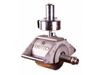
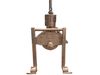
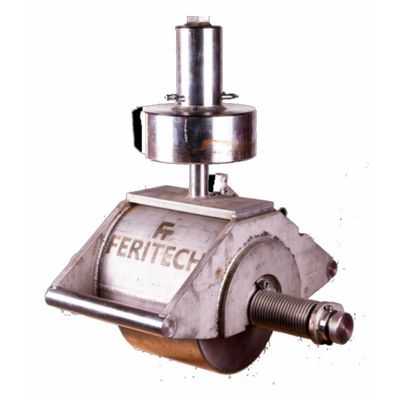
The Shipek grab is designed to sample all types of unconsolidated sediments, from soft ooze to small pebbles, which can be collected from near offshore and deep lakes. The robust centre-pivot sampler can recover virtually undisturbed and unwashed to the surface from any depth. The main use for the Shipek grab is for sampling benthic organisms living at or immediately below the water and for sediment containing a major populace of non-sessile forms.
- 3 litre capacity
- 0.05m² sample area
- Suitable for deep lakes and nearshore
- Sampling for benthic organisms
- Available from stock
- Virtually maintenance free
- A-frame or crane deployable
- Spares and consumables in stock
- Marine 316 A4 grade stainless steel
Feritech offers a comprehensive range of high-performance geotechnical survey systems, all designed, manufactured, and tested to the highest standards by our expert UK-based team. Many products are available ex-stock for purchase or hire, with global delivery and full technical support ensuring exceptional reliability and performance.
Here to help
Our systems are ready to operate straight out of the box and can be mobilised within hours. Every Feritech product can be customised to meet specific project requirements. If your application demands a bespoke solution, our team will be happy to assist.
As the Shipek Grab comes into contact with the sea floor, the trigger weight releases the helical springs causing the sediment bucket to rotate by 180° scooping up the sediment sample. Once the bucket has rotated, it remains closed by the residual torque of the same helical springs thereby protecting the sediment sample.
The rotation of the bucket is quick and penetrates the sediment cleanly, particularly if sampling clays, muds, silts or sands. Once closed the sample is completely enclosed therefore preventing washout during retrieval to the surface. Samples can be retrieved even if obstructions prevent the bucket from closing properly. Once recovered to deck, the bucket is simply removed by operating two retaining screws. The sample is then processed as required.