


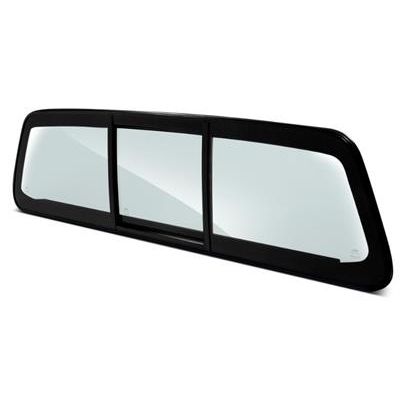
Şişecam - Sliding Glass
As they are one of the most significant parts of the automobiles, Şişecam Automotive Glass is special in terms of safety and appearance. On processing side, the most important feature of Şişecam Automotive Glass is that they are produced via brief pressing or sag bending.
As it is one of the most significant parts of the automobiles, automotive glass is special in terms of safety and appearance. On processing side, Şişecam Automotive Glass’ most important feature is that it is produced via brief pressing or sag bending.
Raw GlassŞişecam Automotive Glass is made from the highest quality float glass, which have become the standard automotive glass, sidelining all other flat glass production techniques. In Turkey, float glass is produced at glass furnaces built by Şişecam technical personnel at Trakya Cam Sanayii AŞ.
High quality float glass raw materials with suitable composition, impurity and grain size are melted at approximately 1600° C. All grains are then removed from molten glass, which is then homogenized. Molten glass is then spread out onto a molten tin pool through a continuous process and shaped; after a tempering process called annealing, cut in desired sizes, and packaged.
At room temperature, glass displays complete elasticity, i.e., it does not exhibit flowing behavior prior to breakage. The endurance of glass is solely determined by the micro cracks created on the surface during usage or as a result of unintentional hits. Glass has no alternative in automobile windows because of its high chemical resistance, scratch resistance, optical excellence, malleability, and its surface that always maintains its shine.
Glass is heated before shaping, gaining fluidity in a continuous and rapid fashion depending on heat. High level of control needs to be exerted on shaping temperature and period because of the narrow tolerances regarding the final shape the glass will take. The highest quality of float glass is the automotive standard. Float glass that will be used in automotive has to meet the high quality requirements of the automotive industry in terms of optical quality, faults arising from melting, and thickness tolerances.
Safety Properties
The fundamental property of automotive glass is the safety they offer to passengers during travel. In case of an accident, automotive glass absorbs the collision energy if passengers or objects from outside hit the glass, and prevents sharp shards from inflicting injury.
Şişecam Laminated Glass offers flexibility of middle layer between glass layers and perfect bonding, which dampens the impact of collision, holds the glass together and prevents injuries, and also holds back the passengers from being thrown out of the windshield.
Optical properties
One of the most significant features of automotive glazing is its optical performance. Optical distortion, double sighting, light transmission and color distinction capacity should be flawless at especially windshields and front side windows that are in the driver’s sight.
Besides these basic features the glass’ resistance to abrasion, endurance to the sun’s ultraviolet rays, high temperature and moisture, capacity to defrost and demist and positioning performance to the vehicle have to be provided at most level via accurate tests and process control tools.
These features of automotive safety glass that concern personal safety must be guaranteed by the glass producer according to ECE R43 international specification and European Union Regulation.
Comfort properties
Modern automotive glazing is asked to supply the comfort of the passengers as well as their safety. With their new facilities, automotive glass enable auto designers to decrease the UV damage, create a bright interior, prevent the interior to be seen from the outside, block engine noise and structural vibration, provide antenna function for GPS, GSM, radio etc. and present the driving info to the driver at his sight level.
Contribution to vehicle design
High motor power, comfort, low fuel consumption and low emission have begun to be the main purchasing criteria for customers as new automobiles are more speedy.
In parallel to these trends, automotive glazings decrease solar heat gain in the car, thus reduce the need for air conditioning and decrease the engine strain and the emission, assist to the structural power of the vehicle and help lowering the aerodynamic breaking and reduce the wind noise.
Quality elements
In addition to the functions mentioned above, automotive glazings gradually progress in meeting high expectations of customers by form and visual quality. For example, as automotive glass is extended by area and have more complex forms, the permitted size and bending tolerances and the number and size of acceptable surface and structure defects are decreased, too. Therefore, the accuracy performed all through the production process should continue afterwards and care should be taken to avoid glass scratches.