

Tornado - Model 7-20 -Trommel Screen
A trommel for recycling is a specialized machine that is used in the recycling industry to separate and classify materials of different sizes and types. It is an essential part of the recycling process, especially in urban solid waste recycling plants, construction and demolition waste, industrial waste and other recyclable materials.
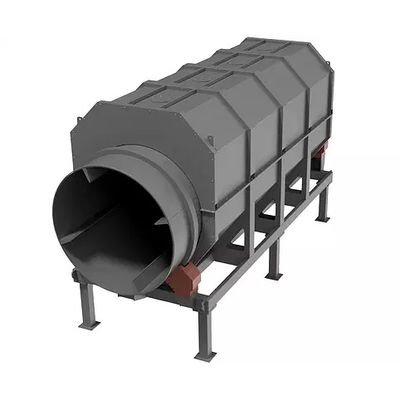
The trumpet has a cylindrical and horizontal design, and is composed mainly of a robust steel structure that holds the rotary cylinder. On the surface of the cylinder, sieves or sieves are placed with holes of different sizes, which allow the passage of certain materials while retaining others. The rotation speed of the cylinder and the size of the holes in the sieves are adjusted according to the specific classification needs.
The recycling process with a trumpet usually follows these steps:
- Food: Recyclable materials are inserted into the trumpet using a conveyor belt or a feeding hopper.
- Size rating: As the cylinders rotate, the smaller materials pass through the holes of the sieves and fall into a compartment or conveyor belt intended to collect them. The larger materials are held back and continue to move forward on the cylinder.
- Separation of materials: Depending on the design and the sieves used, the trumpet can separate different types of materials, such as paper, cardboard, plastic, glass and metals.
- Removal of unwanted waste: The trumpet can be equipped with rotating bars or blades that help separate unwanted objects, such as plastic bags or non-recyclable materials, and divert them to a different discharge point.
- Download the classified materials: Once the materials have been properly separated and classified, they are directed to different compartments or conveyor belts for further processing and treatment.
The main advantages of using a trumpet in the recycling process are efficiency in material separation, the ability to process large volumes of waste and automation of the process, which reduces the need for labour. In addition, it helps to improve the quality of recycled material and to increase the overall performance of the recycling process, contributing to more sustainable management of resources and reducing the amount of waste destined for landfills.
- C.D.R. Waste
- R.S.U. waste.
- Plastic waste (Film, thermal blanket)
- Biomassa
- TAMBOR (mm): 2000
- LONGITUD TROMEL (mm): 7000
- ALTURA TROMEL (mm): 3900
- PRINCIPAL MOTOR KW: 2 x 4KW
- TAMIZ: to be agreed