
- Home
- Companies
- Sitelab Corporation
- Products
- Sitelab - Ultraviolet Fluorescence ...
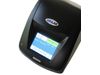
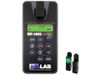
Sitelab - Ultraviolet Fluorescence Hydrocarbon Analyzers
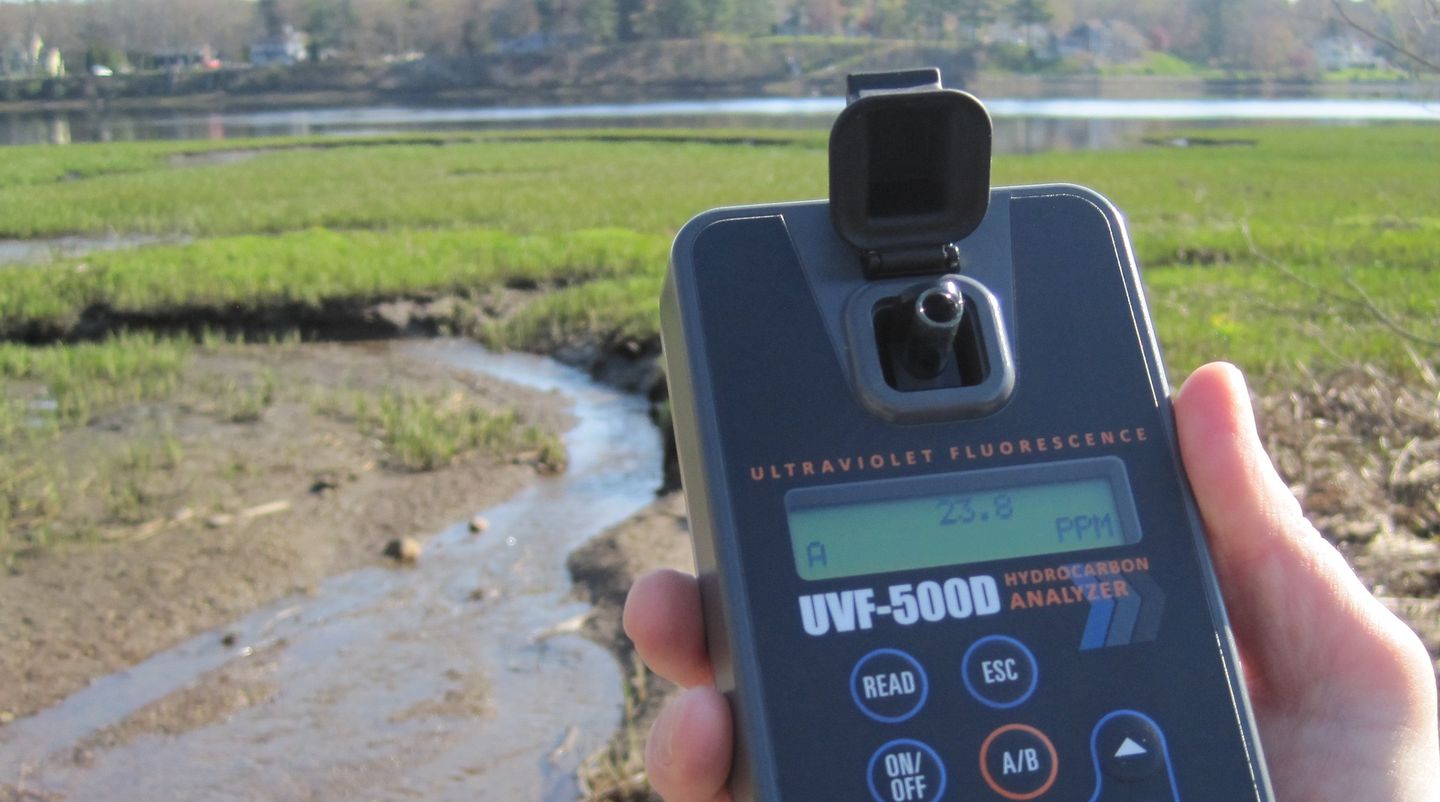
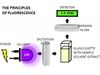
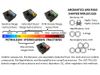
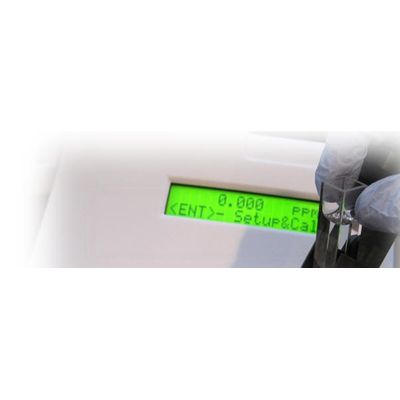
Sitelab`s portable field analyzers use ultraviolet fluorescence (UVF) technology, a very selective detection method useful for measuring many types of petroleum contaminants in water or soil. UVF spectrometry`s principle of operation relies on the electronic configuration of the molecular structure of organic compounds. Aromatic hydrocarbons, which include ring-shaped compounds such as benzene, naphthalene and many others, both excite and emit energy at specific wavelengths. The fluorometer`s response of each sample is measured by the instrument on a linear, multi-point calibration curve using certified standards sensitive to the wavelengths of interest. Samples are extracted and analyzed in solvent using disposable test kits. The concentration is displayed in only a few seconds.Different petroleum products contain different types and quantities of aromatic hydrocarbons, which fluoresce differently from one another. Many contaminated sites also contain weathered fuel products which have degraded and changed in composition overtime. Conventional laboratories use a variety of U.S. EPA or other state regulatory test methods using Gas Chromatography (GC) instrumentation. GCs can separate "TPH" into gasoline range, diesel and oil range hydrocarbon fractions. The UVF-TRILOGY is designed to mimic these methods using different UV modules available.
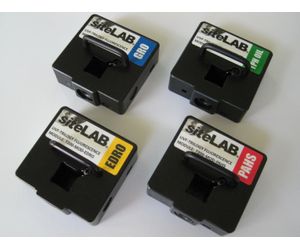
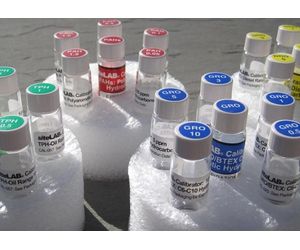
Sitelab provides a variety of different calibration kits to choose from in order to best match the source of your spill and provide maximum performance if comparing your field results to a confirmatory lab. Since our analyzers are calibrated using similar types of certified standards laboratories use for GC analysis and are fitted with high precision excitation and emission optics, test results generated directly correlate, providing very accurate and reliable results.
Sitelab's calibration kits are specially formulated products which contain both aromatic and aliphatic hydrocarbons. Samples contaminated with gasoline, jet fuel and many other types of petroleum contain mixtures of both aromatic and aliphatics. The aliphatic compounds are inert; they do not fluoresce, but are accounted for when calibrating Sitelab's instruments.
Common contaminants include the following: Gasoline
- Jet Fuels
- Kerosene
- Diesel Fuel
- Heating Oils, No 2. Fuel Oil
- Heavy Fuel Oils, No. 6 Fuel Oil
- Motor Oils & Lubricating Oils
- Waste Oils
- Cutting Oils
- Transformer Oil
- Hydraulic Fluid
- Gas Condensates
- Drilling Muds
- Crude Oils
- Bitumen, Tar Sands, Asphalt
- Creosote, Coal Tars, Coal Ash
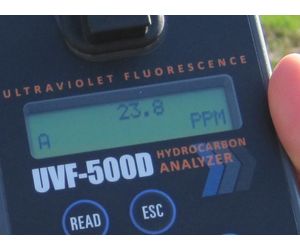
Due to UVF`s high sensitivity, minimum detection limits are in the low ppm or ppb range, capable of meeting or exceeding most regulatory clean up levels.
Detection limits vary depending on which analyzer and calibration kit is used. Detection limits are dictated by the lowest calibrator included with each calibration kit and are the same for soil, sediment or water samples. A solvent blank is used to `zero` the instrument during the calibration process. Sample readings between zero and the lowest calibrator are reported as non-detect (ND).
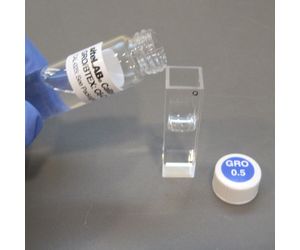
- Environmental consultants use Sitelab to investigate and dilineate where, how much and what type of contamination exists on a site.
- Contractors use Sitelab to help guide excavation of soil from underground storage tanks (USTs).
- Oil and Gas companies use Sitelab to monitor oil in water for treatment and discharge.
- Forensic scientists use Sitelab to fingperprint and identify the type and age of petroleum in samples.
- Government regulators and emergancy response crews use Sitelab to assist with oil spills and natural disasters.
- Property owners with fuel oil spills send samples to Sitelab`s laboratory for fast, affordable and reliable test results.
- Field technicians use Sitelab to monitor levels of TPH for bioremediation, reuse or landfill disposal.
- Large industrial sites, power plants, Brownfields, tank farms and refineries where high numbers of samples must be tested without the high cost and time delays of conventional laboratory analysis.
- Manufacturering companies test metal parts for quality control to ensure their products are clean and free of residual oils.