


RAYPA
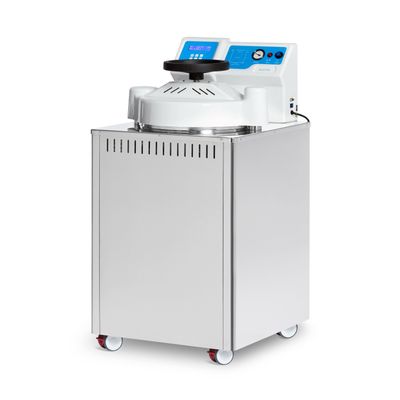
RAYPA - Model AES Series -Vertical floor-standing laboratory autoclaves without drying
FromRAYPA
The AES vertical floor-standing laboratory autoclaves with top loading access cover the fundamental needs for general labware sterilization in many industries, educational and medical facilities and research institutes with the aim of increasing the productivity of the laboratory.
They are intended for the sterilization of a wide range of liquid and solid materials such as culture media, glassware, plastics, metallic equipment, waste bags, and other laboratory items.
These reliable workhorses for the general laboratory are designed for an easy operation and include many safety features to protect the users in their daily routine.Most popular related searches
laboratory autoclave
vertical laboratory autoclave
floor autoclave
autoclave
culture media
general labware
vertical autoclave
laboratory sterilizer
laboratory sterilization
waste bag
- Sterilization chamber made of AISI-316L stainless steel. External housing made of AISI-304 stainless steel.
- Equipment controlled by digital PID microprocessor, with 4 predefined and 6 editable programs, adjustable by time, temperature and type of cycle (solids or liquids).
- Alphanumeric LCD screen that shows sterilization parameters, alerts and errors.
- Manual steam release push-button.
- Manual drain valve.
- Manual filling of the sterilization chamber with water.
- Protecting grid for the heater element.
- Cycle time range: 1-250 minutes.
- Agar mode (40 to 80 ºC) and programs for liquids.
- Heart probe optional.
- Optional inlet in chamber for an external validation probe.
- Programmable auto-start (24 h).
- Connection to PC.
- RS-232 port to connect to PC or printer.
- Control software optional.
- Optional integrated or external printers.
- Safety valve and thermostat.
- Hydraulic lid blocking system while positive pressure exists in the chamber.
- Open lid sensor.
- Available models with increased power. The equipments with increased power reduce the total sterilization cycle time by shortening the heating phase particularly in autoclaves with a high workload.