


The ability to culture viable embryos involves more than using appropriate culture media. There are many variables that can have an impact on the outcome of an IVF cycle, all of which need to be taken into account in order to optimise pregnancy rates1, 2. This is particularly critical during treatment of infertility since gametes and embryos are extremely sensitive. Precautions have to be taken at every step to prevent toxic or harmful components from entering the culture system.
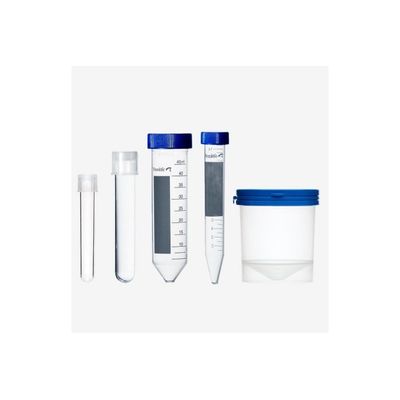
Plastic disposables are used throughout the IVF process, from oocyte aspiration to embryo transfer. However only a small percentage of the contact supplies and tissue cultureware used in IVF is suitably tested.
When plastic disposables are insufficiently quality controlled, they can contain components that are toxic to human reproductive cells such as gametes and embryos. This phenomenon can be referred to as reprotoxicity and is defined as a negative influence on the physiology and viability of human gametes and embryos. Reprotoxicity can result in reduced gamete and embryo viability with a subsequent reduction in implantation rate or ongoing pregnancy rates3.
Vitrolife MEA can detect sub-optimal conditions
It has been reported that not all disposables on the market used for IVF fulfil the quality standard needed for safe procedures. Approximately 25% of all contact materials failed pre-screening with an accurate and sensitive Mouse Embryo Assay (MEA) and were considered sub-optimal for IVF4.
Vitrolife has developed the most sensitive MEA protocols. These assays are capable of detecting toxic and sub-optimal raw materials, media, and contact materials. The MEA from Vitrolife is sensitive enough to identify subtle problems that will also lead to impaired human embryo development.
Create optimal culture conditions by understanding the importance of extensive quality testing
Plastic disposables are used throughout the IVF process, but only a small percentage of them are suitably tested. When insufficiently quality controlled, plastic disposables can contain components that are toxic to gametes and embryos.
Reprotoxicity has a negative influence on the physiology and viability of human gametes and embryos.
Reprotoxicity can however be minimised by using media and disposables that have been accurately tested.