


- Home
- Companies
- Shangqiu Sihai Energy Technology Co., ...
- Products
- Sihai - Waste Aluminum Plastic ...
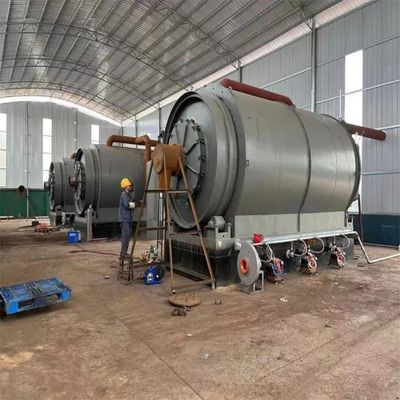
Sihai - Waste Aluminum Plastic Pyrolysis Plant
The refining of waste aluminum and plastic mainly uses a high-temperature pyrolysis process to fully crack the high molecular polymer of aluminum and plastic, returning it to a small molecule or monomer state, thereby producing high value products such as aluminum ingots, fuel oil and carbon black.
What is Waste Aluminum Plastic Recycling and why?
The refining of waste aluminum and plastic mainly uses a high-temperature cracking process to fully crack the high-molecular polymer of aluminum and plastic, returning it to a small molecule or monomer state, thereby producing high value products such as aluminum ingots, fuel oil and carbon black. Under the premise of safety, environmental protection, and stable operation, waste aluminum pyrolysis plant realizes the resource utilization, harmlessness and reduction of aluminum and plastic products.
What kind of Aluminum Plastic Can Be Recycled to Oil By Pyrolysis Process?
The aluminum plastic raw materials that can be recycled include: pharmaceutical aluminum plastic panels, food aluminum plastic bags, Tetra Pak milk aluminum plastic boxes, building materials aluminum plastic panels, aluminum plastic films, etc. Because aluminum plastic products contain plastic components, the chemical components such as polyethylene, polypropylene, polystyrene, polyvinyl chloride and polyester in the plastic will be decomposed after high temperature heating, and at the same time, some small component molecules will be recombined and converted into liquid oil.
How waste aluminum plastic is recycled ?
1. Feeding: The aluminum plastic is loaded into the reactor through a hydraulic feeder for high temperature heating and cracking.
2. Heating: Start oil burners for heating and When heated to a certain temperature, oil gas , aluminum ingots and carbon black will be produced.
3. Cooling: The oil gas will enter the oil gas seperator , cooling pipe, and condensers successively for sufficient cooling, and then being liquefied into oil.
4. Fuel gas Recycling: The remaining non-condensable gas enters the water seal purification treatment and returns to the furnace for recycling as fuel heating, which is energy-saving and environmentally friendly.
5. Emission: The exhaust gas generated during the pyrolysis process will also enter the desulfurization and dust removal tower purification device for purification treatment before being released.
6. Discharging: when the temperature of reactor drops to about 80°C, the residual substances in it - aluminum ingots and carbon black can be discharged
- High conversion rate: The aluminum plastic pyrolysis refining process has a high conversion rate, which can convert most of the organic elements in aluminum plastic into high value products.
- Environmental protection: The waste gas and waste water generated during the pyrolysis process can meet the environmental emission standards after treatment.
- High economic benefits: The aluminum plastic pyrolysis refining process can convert waste aluminum plastic into high value products such as fuel oil(About 50%) , aluminum ignots(About 20%) and carbon black(About 20%).