


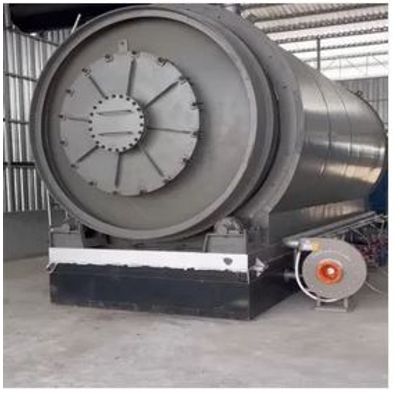
Sihai - Waste Plastic Recycle to Fuel Pyrolysis Plant
Pyrolysis is one of the most promising chemical recycling technologies for plastic recycling , which has the capability to handle also more challenging waste plastic streams. In pyrolysis, the degradation of organic materials takes place under the effect of heat and in the absence of oxygen.
Recycling Of Various Waste Plastics:
With the development of global industry, the amount of plastic waste in the world has reached a level that threatens the ecology. Landfills are piled up like mountains, and marine plastic waste destroys the ecology. In order to deal with these difficult-to-decompose wastes, plastic pyrolysis oil plants have become an efficient solution, which not only solves the pollution problem, but also turns waste plastics into fuel energy.
Plastic pyrolysis oil plant converts waste plastics and other materials into valuable energy resources. This efficient pyrolysis plant primarily produces fuel oil, carbon black, and combustible gas, offering an eco-friendly approach to waste management and energy generation. Plastic pyrolysis plant is an innovative investment for turning waste into wealth while reducing environmental footprint.
How Is Waste Plastic Pyrolysis Plant Working?
1. Plastic Feeding (2 Hours): Use automatic hydraulic feeder to load the plastics into the reactor and seal the door after loading is completed.
2. Reactor Heating ( 8~10 Hours): Start rotating and heating the reactor by fuel. When the temperature reaches the degree around 200C, the oil gas will be continuous produced. Oil gas will flow through oil gas separator, light component will flow inside the cutting tank first which can seperator the wax from the oil and the pure gas will enter the condensers and liquified as fuel oil, meanwhile the heavy oil will be discharged automatically into in heavy oil tank. The liquefied part will be condensed as fuel oil, and the part which cannot be liquefied will be transferred by the water seal back to the burning chamber to be reused as heating material.
3. Oil Gas Cooling(4~5hours): After the oil producing process is completed, leave the plant for cooling and waiting for discharge.
4. Discharging(2 Hours): Discharge the carbon black automatically and pull out the steel wire finally.
- Anti-explosion control: During the pyrolysis process, combustible gas will be generated as fuel gas for pyrolysis system heating usage. The combustible gas will be filtered through the anti-flashback water seal to prevent combustible gas from flashing back to the oil tank and then enter the furnace to be recycled, causing combustion or explosion.
- Emission Control: The exhaust gas generated during heating the reactor will be purified and cooled down in 2 scrubbers(1 water pond type scrubber and 1 water spray, ceramic ring adsorption and activated carbon absorption type scrubber ). Finally, it will be discharged environmental friendly.
- PLC control : All motors and gauges of the waste plastic to fuel oil pyrolysis plant are connected to PLC, which can realize mechanical and electronic control. The control cabinet is equipped with an alarm system. When the temperature, pressure, or mechanical abnormalities occur during the operation of the equipment, the control cabinet will automatically alarm.
Fuel Oil
- Versatile Usage: Serves as an efficient heating fuel for various industries including steel factories, boiler systems, and cement production.
- Refined Diesel: Can be further processed into diesel, suitable for generators and heavy machinery.
Carbon Black
- Energy Pellets: Formed into pellets for use as an alternative to coal in heating applications.
- Industrial Additive: Refined for use in manufacturing paints, pigments, and rubber products, addressing market shortages and offering economic benefits.
Combustible Gas
- Main Furnace Utilization: Directly used as fuel in the plastic pyrolysis oil plant`s combustion chamber, enhancing operational efficiency.
- Separate Utilization: Recovered for other purposes, showcasing the plant`s adaptability in energy recovery.