

- Home
- Companies
- WaterIQ Technologies Inc.
- Products
- WaterIQ Technologies - Model 101 - ...
WaterIQ Technologies - Model 101 -Controlling Algae Blooms and Biofilm
Get started on controlling algae blooms and biofilm in your water. To choose the best solution for your algae or biofilm problems, it’s important to understand how these challenging water conditions arise and how they work. We’ve made it a little easier for you.
Learn the basics about algae and biofilm, natural organisms in bodies of water all over the world.
Though not as varied as fingerprints, algae are a diverse group of aquatic organisms that (with up to a million estimated species) come in a vast range of shapes and sizes. Most people have encountered at least some of the more common varieties, such as seaweed, pond scum or the algal blooms that blanket the surface of lakes. Like land plants, algae use photosynthesis to generate energy, requiring only water, sunlight, carbon and nutrients, like nitrogen and phosphorus to thrive. Algae can play an important role in a balanced water environment, acting as food for some tiny animals and generating oxygen for larger ones.
Biofilm, the bacterial cousin of algae, is a layer of microorganisms which forms on surfaces in contact with water, such as rocks in ponds and lakes, boats and piers in marinas, equipment in water reservoirs and treatment facilities. These dense colonies of bacteria can cause any number of problems: decreasing water quality, generating bad tastes and smells, and serving as food for invasive species, such as zebra mussels. These tiny mollusks band together to clog pipes, render beaches unusable, and destroy boat engines.
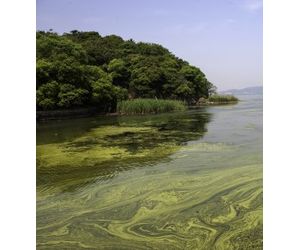
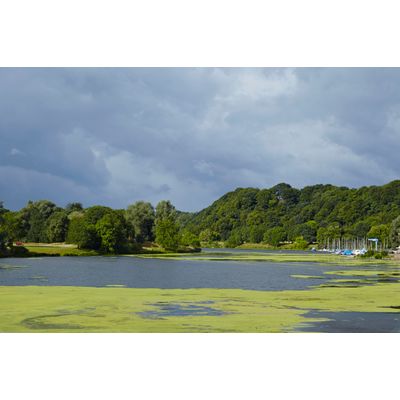
More than just an unsightly scourge, harmful algae blooms result in costly maintenance and damage to our water systems, including ponds, lakes and lagoons, water treatment facilities, swimming pools, industrial tanks and cooling towers. The proliferation of harmful algae blooms (HAB) threatens our quality of life and access to clean and safe water, resulting in:
- Dangerous levels of water toxicity ingested by people, pets, fish and livestock
- Violation of regulated wastewater treatment discharge limits (including pH and % of suspended solids)
- Increased water treatment operating costs for clarification filtration, taste, and odor treatment, creating budgetary problems for municipalities and other entities
- Negative impacts to property values and tourism
- Increased risk of toxic algae in recreational water, harmful to people, pets and other animals
- The onset of a new generation of carcinogenic chlorinated by-products resulting in new regulations and fines
- Invasive species such as zebra mussels, barnacles, and oysters that attach to surfaces and can clog pumping and piping infrastructure and pumping operations
- Increased operating costs due to heat exchange fouling and loss of cooling efficiency
- Costly damage to boats, including under deposit corrosion in piping and surfaces; boat hull fouling which increases drag and drives up fuel costs
- Resulting in manganese precipitation (which causes a color change to water) can cause harmful health effects
Ultrasonic technology from WaterIQ Technologies™ leverages science and sustainability to put an end to out-of-control algae and biofilm growth. This technology is helping return water ecosystems to their natural state using a sonic alternative to harmful chemicals. Ultrasound waves disrupt algae cells, causing them to lose buoyancy, sink and die—all without harming other aquatic life. The ultrasonic waves also create what is perceived as turbulence by the microorganisms that comprise biofilm, causing them to avoid colonization on treated surfaces and become a food source for invasive species such as zebra mussels.
WaterIQ Technologies™ products and solutions control algae and biofilm safely, efficiently, and in an environmentally friendly way – without the use of dangerous chemicals.
Learn how our ultrasound technology works to control algae and biofilm problems, and meet the product solutions we offer to treat your application.
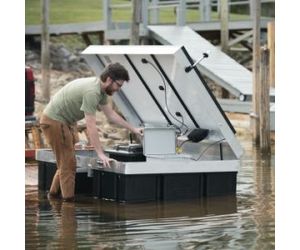
Not all ultrasound technology is equally effective. You should look carefully at the features of an ultrasonic product to select the best system for your algae or biofilm challenges. To start, learn more about the WaterIQ Technologies™ advancements and next generation ultrasonic technologies.
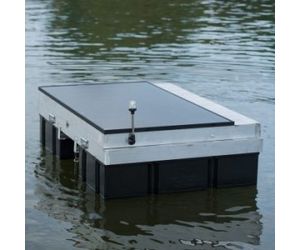
Numerous methods have been pursued for controlling algae and biofilm, including chemicals and aeration. This explanation of the challenges of algae and biofilm demonstrates the need for ultrasonic technologies instead of less effective and often outdated products.
Algae and Biofilm: a potentially dangerous problem:
Algae and biofilm in water are more than just a smelly scourge. They can be a harbinger of much larger concerns that can be unsightly, and, at worst, affect animals, humans, and property.
Often referred to as pond scum or seaweed, algae is neither, but that doesn’t make it less of a problem.
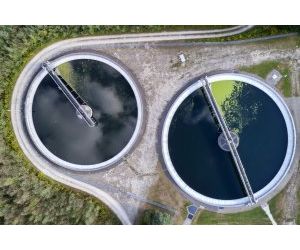
When open water is involved, you’ll likely encounter this unsightly and costly maintenance nuisance. It’s ever-present in our water systems, as well as ponds, lakes, treatment facilities, swimming pools, industrial tanks, cooling towers and lagoons.
More than just a smelly scourge, the presence of algae can be the harbinger of much larger concerns. These include:
- Increased risk of toxicity of recreational water to people, pets, and other animals.
- Toxicity of farm pond water to livestock.
- pH imbalance due to the rigorous treatment methods needed to regulated algae growth.
- Fish kills due to algae die off for hatcheries, lakes, and private ponds.
- Boat propeller entanglement.
- Swimming safety concerns.
- Increased water treatment operating costs for clarification, filtration, taste, and odor treatment. Some algae can generate organic chemicals such as Geosmin and Methyl Isoborneol (MIB) that produce sewer smells. You can detect MIB smell at five parts per trillion in air.
- Reduced property values due to the sight and smell of algae.
- Financial losses due to tourism and business community impact.
- Increased risk of red tides, where polluted rivers and streams meet tidal and marine waters.
Algae, on its own, can be a rather vexing issue. But it often is accompanied with the growth of biofilm, that slimy growth of bacteria that tends to cling to solid surfaces present in water.
Added concerns from biofilm growth in water include:
- Increased maintenance and cleaning costs.
- Potential generation of carcinogenic chlorinated byproducts such as tri-halo methanes (THMs) and halo acetic acids (HAAs) which, if not controlled, can lead to heavy fines and penalties.
- Promotion of other bio-growth, such as barnacles, mussels, oysters, etc., which can foul pumping operations.
- Heat exchanger fouling and loss of cooling efficiency, both of which can drives up operating costs.
- Boat hull fouling, which increases drag and fuel costs.
- Under-deposit corrosion in piping and boat surfaces.
- Manganese precipitation, notable for a change of color on the surface of heated water.
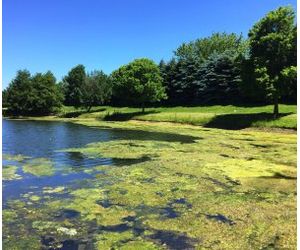
Algae is a hungry organism that likes to feast on phosphates and nitrates — two common pollutants that can commonly be found in detergents, fertilizers and many consumables, including carbonated beverages. These pollutants don’t simply arrive out of thin air. They are a result of effluent from sewage and septic systems, runoff from over fertilized lawns, leaf and grass clippings blown into ponds and lakes, and even agricultural farming using non-contour plowing methods.
The most concerning HABs occur during peak summer months, when the heating of the day provides enough of a catalyst to warm ponds and lakes top to bottom, activating anaerobic bacteria in the muck layers. These bacteria undergo a metamorphosis, causing a significant amount of phosphates stored in the muck to be released as the organic content is consumed.
Blue-green algae have a particular affinity for warm weather - they are genetically suited to thrive in the heat of summer by using gas vesicles to regulate their buoyancy control. This allows them to sink down to the lower water levels and dine on the plentiful phosphates being released from the muck.
A common treatment of algae in water is the use of chemicals. While chemicals can be effective in the removal of algae, they can be expensive and create harmful risks, both for people and water ecosystems.. Copper sulfate, the most common chemical used to treat algae, has been flagged a class 1 highly toxic chemical by the EPA. One of the negative effects of chemicals such as copper sulfate is the creation of a sterile bottom that kills essential nutrients, as well as good bacteria depended upon by fish and other forms of aquatic life.The use of chemicals can also lead to corrosion of steel, iron, and galvanized pipes.
Of course, just leaving the algae in the water is a non-starter: When left unchecked, algal blooms can wreak havoc. Algae’s presence in wastewater treatment facilities, notably lagoons, can lead to a systemic starvation of needed oxygen supplies.
Combined with warmer temperatures and nutrients such as nitrogen, the reduction of dissolved oxygen in the water can stress local aquatic life and can lead to even more rampant algal growth and HABs, producing cyanotoxins.
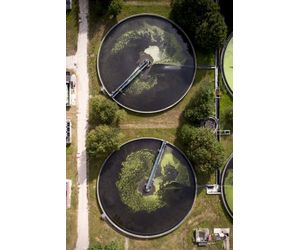
The risks from proliferating algal blooms include:
- Airborne contaminants: Algae blooms can release material into the atmosphere which can have impacts on people breathing it in. Particles can be carried hundreds to thousands of miles by air.
- Untreated algae can create an ecological imbalance, creating a habitat for invasive species that kill off good bacteria and other forms of water life. Excessive amounts of nitrogen and phosphorus in water leads to algae growing faster that our ecosystems can handle. Water quality is negatively impacted, and decreased oxygen levels become harmful, if not fatal, to fish.
- Untreated algae can create off-limits conditions to outdoor enthusiasts such as swimmers, boaters, and anglers. It is becoming increasingly common to see lakes and ponds closed to recreationists because of algae blooms. This not only spoils it for the sportsperson, but has a negative effect on local economies that depend on visitors.
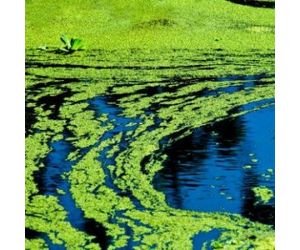
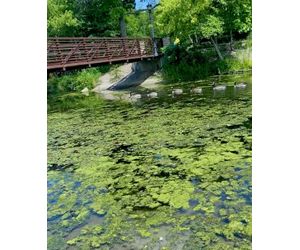
- The presence of algae and biofilm in our water can turn what would normally be a beautiful blue body of water into a body of soupy green muck. What was beautiful becomes an eye sore and one that might emit unpleasant orders and pose a significant health threat to people and animals.
- With poor aesthetics and the health and environmental risks posed by algae, nearby properties can become less desirable, and property values can fall sharply.
- Golf courses can be adversely impacted by algae growth in lakes and ponds. Not only does algae impact the local ecosystem, it negatively impacts the experience of patrons and members. It also poses a health and safety risk for maintenance crews who have to contend with both the algae and the related treatment methods, which frequently can include the use of chemicals.
- Biofouling, the microbial contamination caused by biofilms found in water, can harbor human pathogens that threaten public health and cause environmental and property damage. This also leads to the introduction of non-indigenous species, such as Zebra mussels, which feed off biofilm and can outcompete native species. Boats being transported from a contaminated lake or even the emptying of ballast water from boats and ships can carry these harmful biofilms.
One of the problems facing municipalities faced with algae problems, real or not, is public sentiment. The electorate has become very vocal about water quality, and rightfully so. Officials are extremely sensitive to their community’s perception of local water quality. Off odors and taste can trigger quick responses from the public demanding to know if their water is safe. Of course, many of the chemicals used in algae treatment have a similar stigma in the public consciousness.
Ultrasonic technology from WaterIQ Technologies leverages science and sustainability to put an end to out-of-control algae and biofilm growth. This technology is, helping return water ecosystems to their natural state using a sonic alternative to harmful chemicals. Ultrasound waves disrupt algae cells, causing them to lose buoyancy, sink and die—all without harming other aquatic life. The waves also inhibit biofilm from attaching to surfaces and growing. You do not need to use dangerous chemicals to deal with these problems—WaterIQ Technologies products can help you control algae and biofilm safely, efficiently and in an environmentally friendly way.
Read this quick ultrasound technology overview so you’ll understand just how ultrasound technology works to control algae and biofilm problems, and what features to look for to treat your application.
Algae and biofilm problems don’t go away by themselves. Let WaterIQ Technologies can help you find the best solution to your water purity challenges. Take a look at our case studies and other information in our Resources section, and feel free to contact us at any time for answers to your questions.
Algae and Biofilm: the complexity behind the sea of green
What is the science behind Algae and Biofilm, these seemingly determined, proliferate pond-clogging scourges? Let’s drop down to the surface and below for a closer look.
What separates algae and biofilm from other waterborne organisms?
The essence of algae and biofilm and why they can be so difficult to eradicate.
When it comes to that slippery, slimy, green film that resides atop the world’s ponds, lakes, swimming pools, and other water systems, there’s truly more than meets the eye. Often dismissed as pond scum or trash, algae and biofilm — the villains of this story — are actually very complex organisms that cause havoc for water systems and the humans that rely upon them.
With unfettered access to the waterborne world, this unwelcome green decor conducts a frequent assault on what would otherwise be pristine waters, distorting the landscape and negatively impacting our senses including sight, smell, and even touch. So what is behind these seemingly determined “biology-gone-wild” inhabitants? Let’s drop down to the surface and below for a closer look.
As indicated previously, algae are very much living organisms. They’re defined more formally as “a group of predominantly aquatic, photosynthetic, and nucleus-bearing organisms that lack the true roots, stems, leaves, and specialized multicellular reproductive structures of plants.”
In layman’s terms, algae aren’t just one insidious creature. They’re a host of organisms that may vary based upon location, but share some basics in common.
No less the graceless guest, biofilm in water is much more complex than your average bathtub dirt ring. It is a layer of microorganisms which forms on surfaces that come in contact with water, such as rocks in ponds and lakes, boats and piers in marinas, equipment in water reservoirs and treatment facilities.
These dense colonies of bacteria love to stick together through thick and thin — clogging up pipes, sending water quality plummeting, generating bad tastes and smells, and waving the green flag for more invasive species to come and join the party.
If you’ve ever accidentally set foot on a surface covered in biofilm, you have a keen appreciation for how slippery those little bacteria can be!
Just like its green-hued friends, the algae, biofilm in water can, in excess, cause safety and aesthetic challenges, and can also contribute to maintenance problems as well as growth of invasive species.
Other banes of biofilm in water include:
- Increased costs: Biofilm in water have a much more rich target in mind — your time and your wallet. Biofilm can create an excess of maintenance and cleaning costs, and can even plug up heat exchangers, leading to a loss of cooling efficiency that has been known to increase operating costs.
- Creatures and carcinogens: Biofilm in water can promote other space invaders, such as barnacles, mussels, and oysters; some of the less friendly byproducts can include manganese precipitation and harmful carcinogens.
Ultrasonic technology from WaterIQ Technologies leverages science and sustainability to put an end to out-of-control algae and biofilm growth. This technology is, helping return water ecosystems to their natural state using a sonic alternative to harmful chemicals. Ultrasound waves disrupt algae cells, causing them to lose buoyancy, sink and die—all without harming other aquatic life. The waves also inhibit biofilm from attaching to surfaces and growing. You do not need to use dangerous chemicals to deal with these problems—WaterIQ Technologies products can help you control algae and biofilm safely, efficiently and in an environmentally friendly way.
Read this quick ultrasound technology overview [Link to ultrasound primer page] so you’ll understand just how ultrasound technology works to control algae and biofilm problems, and what features to look for to treat your application.
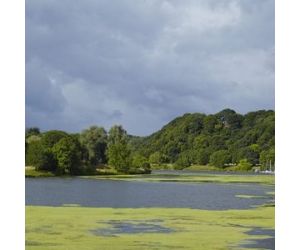
Algae and biofilm problems don’t go away by themselves. Let WaterIQ Technologies can help you find the best solution to your water purity challenges. Take a look at our case studies and other information in our Resources section, and feel free to contact us at any time for answers to your questions.
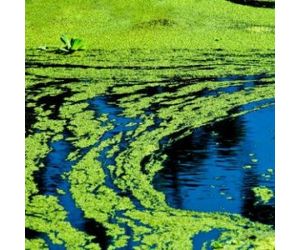
How ultrasound became a preferred treatment for algae
Ultrasound technology can produce frequencies that cause algae to hit its natural resonant frequency - the speed at which it will vibrate - causing it to lose buoyancy, sink, and ultimately, die.
You would be hard-pressed to find a bigger music critic than algae.
Not all ultrasonic waves are the same. At the extreme end, there is high-powered ultrasound that can cause the formation of bubbles that inwardly implode creating intense heat and pressure. This would be deadly not only for the treatment of algae but anything else in its path. Then there is the frequency range that, while not as severe, does effectively kill most algae. Algae as it turns out is very sensitive to ultrasonic waves.
How was it discovered that algae could be controlled via ultrasound? As in many cases it was an accidental discovery. It is said that around the turn of the 20th century, some gunplay near an algae-choked waterway led to a gradual clearing of the green scourge. Through observation an idea was born.
It would take generations of testing and validation to ultimately discover what caused those early results — and how to replicate them without leading to cavitation. The culprit behind biofilm formulation is anaerobic bacteria, which can lead to unwelcome colonies of Zebra Mussels and the associated havoc they can cause to health and property. Biofilm can be prevented by applying ultrasound. Ultrasonic technology, correctly used, can create turbulence that prevents the bacteria from setting in, thereby eliminating the food source for Zebra Mussels.
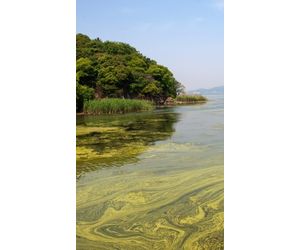
Ultrasound can produce frequencies that cause algae to hit its natural resonant frequency: the speed at which it will vibrate. Every material on earth has such a natural resonant frequency. It so happens, we located the frequencies that affect algae. Much like an opera singer causing a wine glass to shatter, frequencies generated by ultrasonic waves can create a structural resonance within blue-green algae that can disrupt the gas vesicles, causing it to lose buoyancy and sink below the surface where it can’t engage in photosynthesis and dies. In green algae, the effect is a bit different. The structural resonance can disrupt the cellular structure leading to its demise in 3-4 weeks.
Before this ultrasonic process could be adapted for commercial use, two key questions would need to be answered: What ultrasonic frequencies would need to be generated to affect different species of algae; and how to cast the frequencies close enough.
First, with approximately 2,000,000 species of algae and biofilm, it takes a variety of ultrasonic frequencies – broadcast at varying kilohertz (KHz) levels – to make a solid impact. Though early ultrasonic solutions used just a handful of frequencies, today, George Hutchinson – considered the father of modern algae ultrasound treatment — was able to identify 2,000 frequencies that proved to be the most effective. He had an assist from his brother, David, a musician whose commercial music editing program actually created these frequencies with a high-level of precision.
Some of these frequencies are adept at rupturing gas vacuoles or vesicles (like those found in blue green algae); others are effective at breaking the cell wall bonds, or interfering with the algae and biofilm reproductive cycles – often as soon as 24 hours after treatment.
Though these sonic waves are hazardous to the health of algae, they need to be introduced in a fairly-close arrangement to be effective – anywhere from 70 to 400 meters max, depending upon the target.
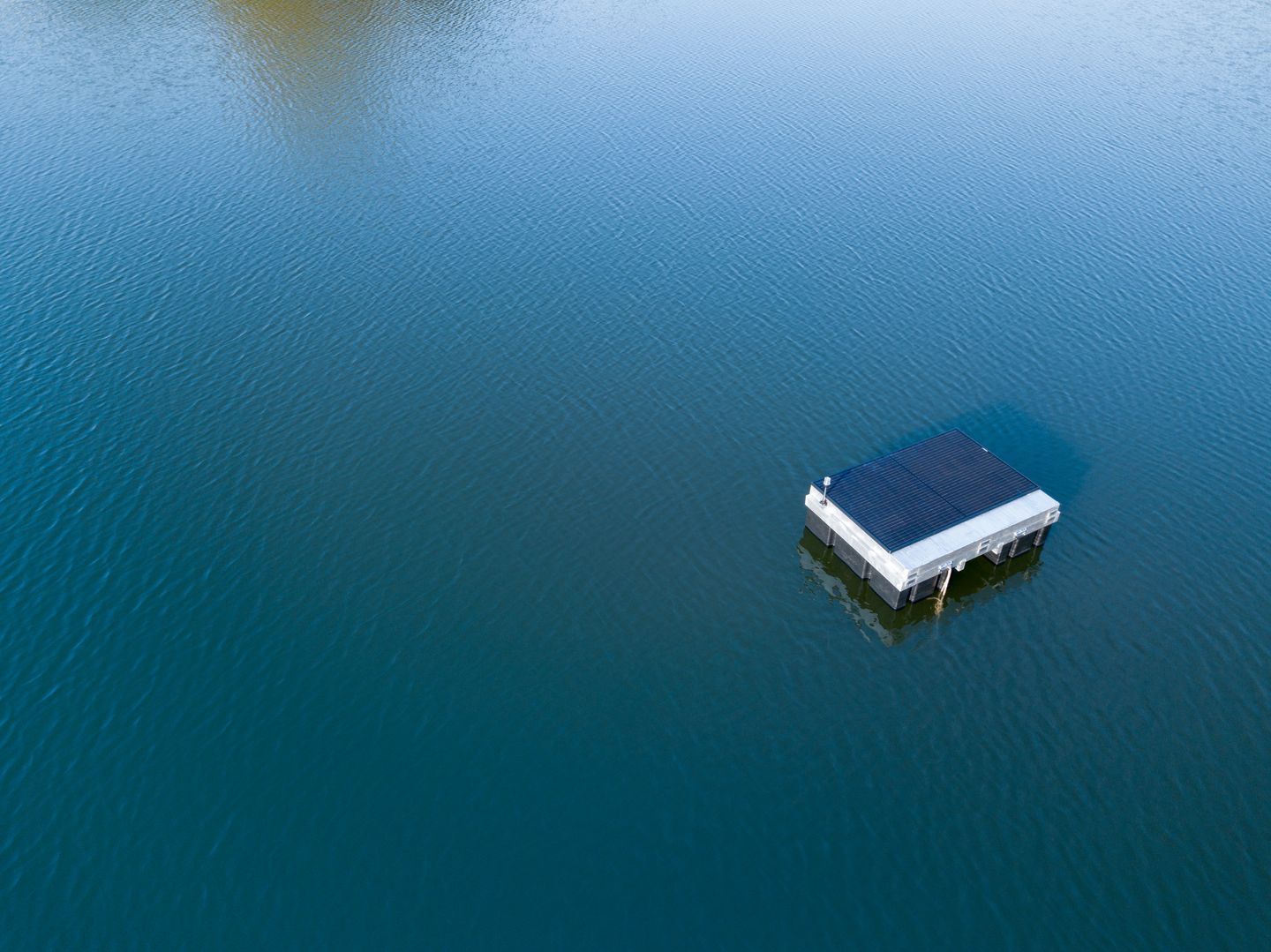
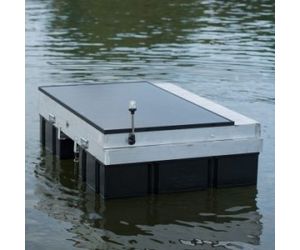
Much like floating warships, WaterIQ Technologies™ ultrasonic solutions create a veritable algae-crusading navy, ready for battle. To cope for the aforementioned distance limitations, devices are often deployed in multiples – creating concentric circles of coverage that work their destructive magic in symphonic synergy.
You’ll often find these floating algae fighters in places such as large lakes and reservoirs, private and recreation ponds, golf courses, wineries, municipal water facilities, storm retention ponds, and aquaculture settings.
As adept as these ultrasonic waves can be in dispatching multicellular organisms, they’re actually pretty safe for non-algal beings. Unlike chemicals or other treatment methods, ultrasound, properly done, is not harmful for the environment, creating no harmful effects on animals, fish, birds, and human beings, as well as beneficial aquatic plants. On that last notion, ultrasonic treatment isn’t effective on algae that masquerades as plants – species such as pithophora, chara, nitella, hydrodictyon and more.
The list of advantages for ultrasound is plentiful, and includes:
- Eco-friendly process
- No permitting required
- No creation of harmful byproducts
- No genetic mutation of surviving species
- Simple installation with minimal maintenance
- Inexpensive to run (less than 50 watts of power)
- Relatively quiet operation (most ultrasonic output is inaudible to humans).
- Reduces reliance on chemicals
And, though ultrasound is meant to be an alternative to the use of chemicals (such as copper sulfate, which is the granddaddy of chemical algal treatment), it is most effective when used as a “tool in the toolbox” – a treatment option supplemented by a selection of other remedies to achieve 100 percent coverage.