


- Home
- Companies
- Magnus Chemicals Ltd
- Services
- Analytical Services
Analytical Services
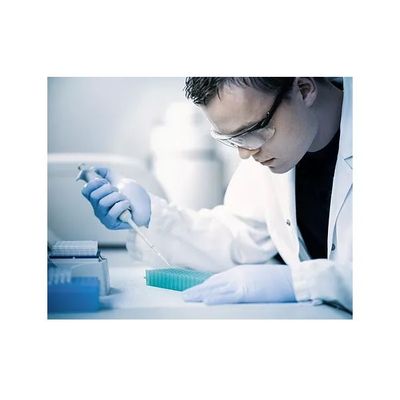
Magnus Provides a Full Range of Analytical Services for a Wide Variety of Issues. Water analysis. Deposit analysis. Cleaning simulation (descaling, degreasing and derusting). Biocide performance simulation. Metallurgy and failure analysis. Analytical services to measure concentrations of Legionella in water samples. Legionella detection through DNA and culture analysis. Follow-up of treatment programs to combat corrosion, scaling and microbial growth. Research and development.
Magnus provides a full range of analytical services to a wide range of problems :
- Water analysis;
- Deposit analysis;
- Cleaning simulations (descaling, degreasing and derusting) and biocides performance simulations;
- Metallurgical expertise;
- Legionella detection by DNA and culture analysis;
- Performance follow-up of treatment programs against corrosion, scaling and bacterial growth;
- Research and development.
Legionella water analysis
Magnus provides professional analytical services for identifying legionella and its concentrations in water samples.
The proliferation of the Legionella bacteria in a cooling system is a complex problem. Contamination of a domestic water system with the Legionella bacteria is generally associated with several factors. Defective operating conditions, poor water circulation, and inadequate temperature control can be the cause. Lack of maintenance and the presence of scale, corrosion or biofilm residues can also stimulate the growth of this microorganism.
Fighting against legionella means using biocides, from which the efficiency against bacteria, algae and protozoa has been demonstrated, but also simultaneously attacking the main factors favoring their growth. This involves the prevention of biofilm formation and preventing any corrosion and scaling phenomenon. Treatments must be optimized regularly by monitoring several physio-chemical and microbiological indicators and their performance must be verified. These indicators provide relevant information on the level of treatment control, but there is no correlation with the concentrations of Legionella which must, therefore, be measured.
Since infectious doses are not well known, maintaining a low concentration of Legionella in facilities for people at risk is the best way to minimize the risk of legionellosis. To effectively manage these facilities at risk, it is important to conduct regular monitoring to get a rapid response in case of Legionella proliferation. The detection of legionella bacteria must be carried out in the laboratory using a standardized and specific method. Depending on the circumstances, a method by measuring DNA or development on culture area will be preferred.
The method by measuring DNA allows detecting and measuring the population of legionella in the water or in the biofilm by analyzing their DNA. This method gives a result within 24 to 48 hours. It is therefore an extremely powerful tool for the detection and rapid response, which facilitates the application of disinfection processes and limits the exposure during an outbreak.
The culture method is based on the development of bacteria on agar plates with several different types of treatments. It is grown on the culture media and can be counted efficiently after an incubation period of about 14 days. The culture method identifies more precisely the viability and virulence of the bacteria, important clinical information in some cases.