


- Home
- Companies
- Pennram Diversified Manufacturing ...
- Services
- Ash Removal Services
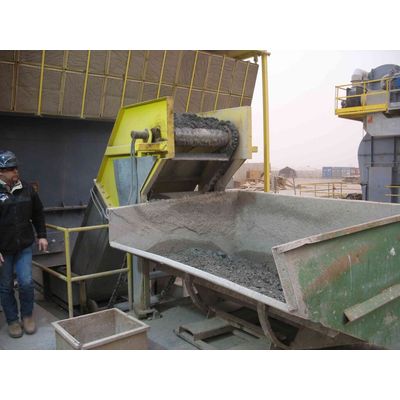
Ash Removal Services
In the vertical models, the ash is manually shoveled from the incinerator. An ash door is provided for easy access. The ash door is equipped with a proving switch that will not allow the primary chamber components (burner, combustion air blower) to operate while the door is open.
In the horizontal models, the primary chamber is equipped with one or more ash rams, depending on the number of hearths provided for the incinerator. With the multiple level fixed hearth unit, the lowest ram is the ash ram. The next level is the stoker ram in a two-ram system. The ash rams stroke prior to each charge starting with the lowest level ram. The idea is that each ash ram stroke clears a void in its ash way. The void in the upper most ash way is filled by the charge ram pushing material off the main hearth. The multiple hearth provides periodic “turning” of the waste as the burning waste/ash tumbles onto the next hearth. Eventually, after the waste is charged onto the main hearth, tumbles, and stroked by the rams, it drops off the last ash way into the ash chute. The ash chute is partially submerged in a wet ash conveyor trough. As the ash is dumped into the chute, it dowsed in water and transferred by the automatic ash removal system directly to the ash container. The automatic ash removal system may be a screw conveyor, a drag conveyor, or other transfer system depending on application. The water in the ash trough provides an air-tight seal to the ash chute.
The ash ram and ash conveyor may be operated manually with forward and reverse switches or fully automatic.
The ash rams are fully enclosed within the envelope of the primary chamber. All of the ash ram hydraulic components and proving switches are on the outside of the enclosure, where they are protected from heat and dirt.