- Home
- Companies
- AEL Environment
- Services
- Environmental Site Assessment ( ESA )
Environmental Site Assessment ( ESA )
Environmental Site Assessments (ESAs) are used to make informed decisions about property transactions, identify certain baseline environmental conditions, assist in meeting regulatory requirements, and as an initial step in remediation. Generally ESAs follow a staged approach beginning with Phase I. AEL carries out ESA and remedial work in accordance with CSA and ASTM protocols and, in Ontario, the requirements of O.Reg. 153/04. The regulation requires a Qualified Person (QP – generally a Professional Engineer or Professional Geologist with special registration) to complete the ESA.
Ph I ESAs require a non-intrusive investigation to understanding the environmental legacy at a site. The information gathered in a Ph 1 ESA leads to the development of a list of Areas of Potential Environmental Concern (APECs) for the property. As the name implies, the APECs are places on the site that the QP found to have a high risk of environmental issues.
AEL`s Phase I investigations, supplemented by 20 years of engineering experience, include detailed aerial photographs and mapping reviews, historical process audits, and detailed records searches. All activities are supervised by one of our QPs who are senior environmental engineers.
A Phase I ESA can lead the QP to recommend a Ph II ESA to explore APECs.
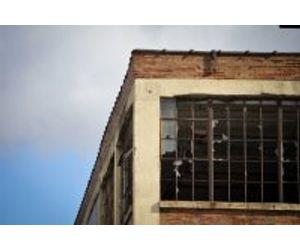
Ph II ESAs are intrusive investigations (meaning they require boreholes to be advanced on the site) to validate Phase I APECs and understand the size and scope of possible impacts. This phase consists of sampling and analysis to determine site conditions.
AEL`s Ph 2 investigations are supplemented with our own On-site UVF and XRF testing methods for the delineation of hydrocarbon and metal impacts respectively. AEL`s proprietary sampling protocols also improve sample quality and recovery while allowing us to complete work in a shorter time frame.
Our intent is to provide a clear understanding of the issues affecting a site with the collection of more high quality data while reducing assessment costs. Combining these strengths in sampling with AEL`s GIS/Mapping capabilities produces high quality data visualization tools that simplify site understanding and allow for a clear picture of site issues.
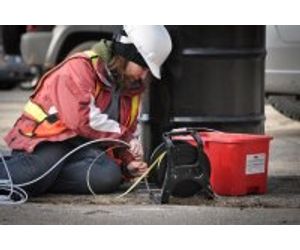
Ph III ESAs are the cleanup or remediation phase which is based on Phase II findings related to scope and size of contamination.
Site Remediation is accomplished through design-tender or design-build contracting approaches. Regardless of the construction method, AEL’s remedial plans address potential issues relating to health and safety, environmental concerns, groundwater control, excavation and building support, remedial technologies and soil management.
This phase can also include a Risk Assessment at the advice of the QP. Generally, risk assessment involves the quantification of risk on the site and proposes measures to minimize exposure to contaminants that are left on site.

Once remedial work is complete, or the site meets applicable quality standards (as shown by an ESA), the QP recommends issuance of an RSC.
The extent/type of cleanup can be verified through an RSC which is registered for sites in Ontario with the Ministry of the Environment under O. Reg. 153/04. This provides regulatory protection against future liability with respect to a site.