


Fisheries & Water Quality Assessments Services
At Aqua Sierra Inc. we draw all of our management recommendations from science and comprehensive data analysis to ensure that the desired results and our clients' goals can be achieved. We stand behind our endorsements and collaborate all efforts with our clients’ to develop lasting solutions and long term relationships. We seek to thoroughly evaluate the physical, chemical, and biological components of each resource in order to determine the most effective management tools based on the unique makeup of that water.
Successful lake and pond management should always be based upon sound scientific data and information. The actual chemistry of your lake or pond provides the basis for most management recommendations at Aqua Sierra. Almost all problems common in lake management - excess weeds and algae, poor water clarity, offensive odors, rapid sludge accumulation, fish kills - can be traced to poor water quality. Because of the tremendous effect of water quality on aesthetics and fish health, proactive managment should be a primary concern. The full laboratory water chemistry analysis provides information on 23 parameters necessary for successful fisheries management. The list of parameters tested includes but is not limited to: conductivity, calcium, chloride, hardness, magnesium, iron, pH, phosphorous, sulfate, nitrate, alkalinity, total dissolved solids and many more. Implementing proactive management strategies based on the individual resource chemistry allows us to deal with problems before they become an inconvenience. Aqua Sierra`s water chemistry analyses provide a full breakdown of the data and a detailed report with management recommendations.
Biological Population Surveys
A balanced aquatic environment is essential to a healthy pond, lake or stream. ASI conducts comprehensive biological population surveys to assist in determining the overall health of an aquatic resource. Species composition and biomass distributions of aquatic organisms provide insight into the background conditions that may be impacting the environment and allows us to develop conscientious approaches to help restore balance.
Fisheries surveys
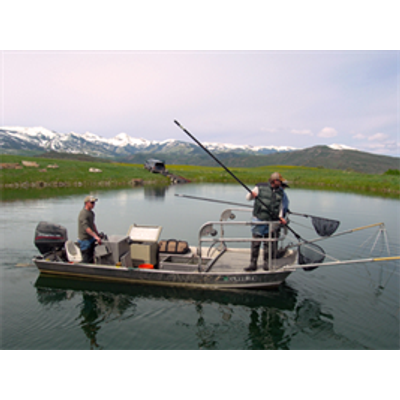
Using various methods such as electro-shocking and gill net technologies, Aqua Sierra staff biologists and technicians collect fish from a resource to analyze quantitative data on each specimen. Based on this information, we analyze species composition, abundance, and relative weight which helps us derive conclusions on overall health of the fishery present and provide recommendations for improvement. When fisheries become imbalanced it is necessary to proactively manage the populations. Surveys such as these can help our biologists determine what steps need to be taken in order to re-establish a balanced, healthy fishery.

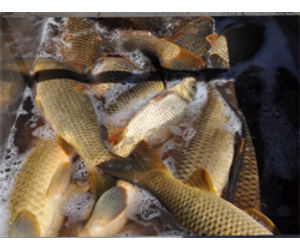
Biological surveys can also highlight the need to remove undesirable fish in order to re-establish a competitive edge for desirable game species. Removal is a management technique that can be effective when rough fish have established themselves as the dominant species in a particular fishery. Rough fish, such as suckers, carp, or bullheads, can out-compete game fish for food and destroy valuable habitat. These fish compete for available forage which will inevitably reduce the growth, health and reproduction of the desirable fish species. It is not possible to sustain a healthy game fish population under these conditions and preventative measures must be taken in order to limit the damaging effects on the fishery. Aqua Sierra can remove these nuisance rough fish to the benefit of your aquatic resource’s health.
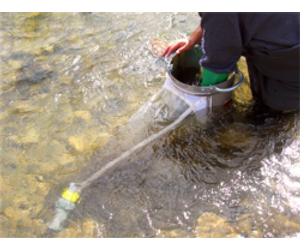
Invertebrate studies can quantify abundance and spatial distributions of aquatic insect communities to determine benthic composition. This can be valuable information in determining this relation to the health of the environment and potential forage for fish. Some species are particularly sensitive to disturbances and discharge of pollutions and can be an excellent indicator of water quality and overall health of a resource. Using Hess samplers, d-frame kick nets, and grab samplers at statistical points of significance across the resource, Aqua Sierra can provide our clients with a multidimensional view of the water quality and fishery health.
Dissolved oxygen (DO) and temperature profiles provide information as to the amount of habitable space for fish, indications on susceptibility of an aquatic resource to a fish kill, and the ability of the resource to internally mitigate nutrient levels. Fish require dissolved oxygen levels above 4.0 mg/L to survive. More specifically, trout prefer dissolved oxygen levels around 7.0 mg/L, whereas warm water fish, such as grass carp, can withstand slightly lower levels. It is important to note that as dissolved oxygen levels fall below 5.0 mg/L it can create conditions for a potential fish kill. Furthermore, oxygen is required for the oxidation and capture of metals and phosphorus within aquatic resources. Understanding DO levels is essential in guiding stocking recommendations and is a vital service in determining the application of aeration as a management tool. Aeration Systems link.
A Biological Oxygen Demand (BOD) is defined as a measure of the amount of oxygen removed from aquatic environments by aerobic micro-organisms for their metabolic requirements. Measuring BOD is used to determine the level of organic pollution in an aquatic resource. The most common causes of BOD in an aquatic resource include the breakdown of aquatic vegetation, as well as the additions of domestic or animal waste, soaps or household cleaners, and fertilizer. The greater the BOD measured, the greater the levels of organic pollutants in the resource. The amount of dissolved oxygen needed to break down organic materials to carbon dioxide, water, and minerals is a factor of the volume of water, temperature, and a specified period of time. When a BOD is present in a resource, it will persist until the oxygen demand has been fully satisfied. It is common for BODs to persist in aquatic resources between 0-4 mg/l, and do not usually become a concern until they reach a level at or above 10 mg/l.
A Chemical Oxygen Demand (COD) is defined as a measure of the amount of oxygen removed from aquatic environments to chemically break down both organic and inorganic carbon inputs dissolved or suspended in the water. The causes of a COD can be biological, chemical, pollutant, or oxidant based.Common contaminates contributing to a COD include herbicides, fertilizers, household cleaners, oils or fats, industrial chemicals, domestic or animal waste, de-icers, and automotive chemicals (specifically antifreeze). The amount of oxygen required directly correlates to the chemical reaction necessary to form a stable compound. A COD test indirectly measures the amount of organic and inorganic pollutants in the water. In a healthy aquatic resource, there should be a COD reading of 0 mg/l indicating that there are no contaminates consuming oxygen and taxing the system.
We generally recommend conducting a BOD and COD analysis if a low dissolved oxygen concentrations have been recorded or after fish kill events. The data provided by these tests is vital to determining the factors causing of the low oxygen levels and allows us to create and employ proactive management strategies directed at the source of problem.
Secchi depth is valuable in determining lake productivity and water clarity. Secchi depths measure water turbidity and transparency which can vary according to many factors and can be helpful in indicating the overall health of a resource. In waters with low concentrations of phytoplankton and reduced total suspended solids secchi depths are typically high, while waters with high biological productivity and increased turbidity typically have lower Secchi depth readings.
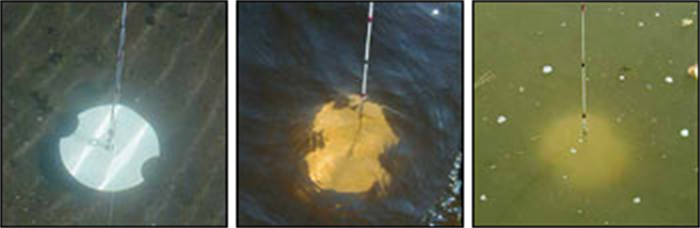
Water clarity is an important indicator to the health of a water body as it can impact potential water use. Erosion and pollution can severely affect the transparency of water measured by turbidity and total suspended solids. Often the quality of water is mistakenly judged based on the visual appearance. While water bodies with low water clarity may be undesirable, it does not necessarily indicate that the water is unhealthy or polluted. Even crystal clear water can contain toxic substances. Water clarity can fluctuate over the course of a period of time (days, months, years). This fluctuation is a result of natural phenomena, such as flooding, drought, wind, temperature, species introduction or elimination, pollution, and/or dredging. Long-term monitoring is important to understanding the dynamics of the water body and determine if clarity is declining or improving and if the changes are temporary or indicating a trend in either direction.
Habitat surveys are a vital tool in the determination or a fisheries potential. Our assessments include a complete inventory of the existing physical features including: habitat type (i.e. riffle, pool, glide, etc.), length, width, slope and flow measurements, substrate type, and structure counts, erosion potential, and then extrapolate this data into an assessment on the resource’s fishery potential. Our reports include observations and evaluation of invertebrate communities, stream bank groundcover, and riparian vegetation (species, age class, and area coverage). Armed with this data, we can then make resource specific recommendations to enhance the habitat and maximize your fisheries potential.