


- Home
- Companies
- Liquid Environmental Solutions
- Services
- Grease Trap Services
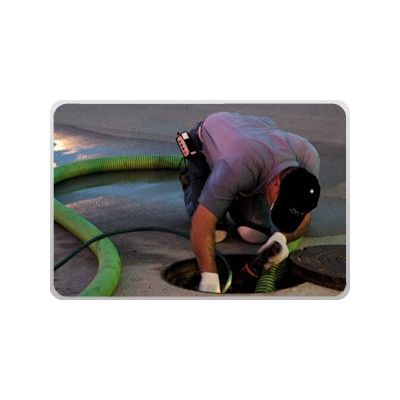
Grease Trap Services
When maintained properly, grease traps prevent your kitchen grease and food waste materials from entering the city sewer system. Grease is a leading cause of sanitary sewer overflows, since it clogs sanitary sewer lines and ultimately causes line blockages. The result is all too frequent discharges of untreated wastewater into streets, homes and commercial enterprises. Ultimately these problematic waste streams enter our local waterways, where they cause further cleanup costs and restrict recreation, tourism and commerce. Your traps must be regularly emptied and periodically cleaned to prevent costly and dirty back-ups or over-flows.
Liquid Environmental Solutions is the national leader in grease interceptor and grease trap waste collection and disposal services. Unlike many grease trap companies that just skim the top of the grease trap, LES cleans and evacuates 100% of the trap content, providing life cycle asset savings by ensuring that the trap and the pipes leading to it are well maintained and in compliance with regulations and best industry practices. Additionally, LES will, at each service, scrape the walls and powerwash the bottom, sidewalls, inlet and outlet pipes, and the baffles of the traps with the exception of very small interior traps where the use of a pressure washer might damage the trap and/or splash water and debris in the kitchen area creating an unsafe work environment.
LES provides much more than just simple pumping services. This is important because the business of wastewater has become very complex and calls for a heightened awareness of environmental impacts, a detailed understanding of regulatory accountability and the capability to handle the increasing costs of operating a modern transportation fleet. We succeed because we understand these issues and deliver the comprehensive business solution to ensure they are addressed.
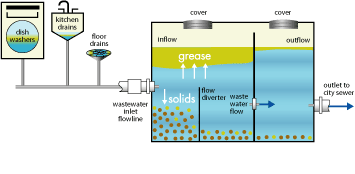
- Your kitchen’s complete plumbing system, including sinks, dishwashers, floor-drains and mop-sinks, drains into the grease trap or grease interceptor system.
- Wastewater flows into either an interior or exterior (usually in-ground) grease trap system. A baffle separates the inlet and outlet of the trap, keeping grease in.
- Grease floats to the top of the grease trap, while solids settle on the bottom. The trap or interceptor must be vacuum pumped regularly by a skilled service provider to remove the entire contents of the trap.
- Clean water then continues to flow into your sewer or septic system.