

Long Chain Reclaim (LCR)
- Home
- Companies
- Long Chain Reclaim (LCR)
- Services
- LCR - In-Situ Remediation Service
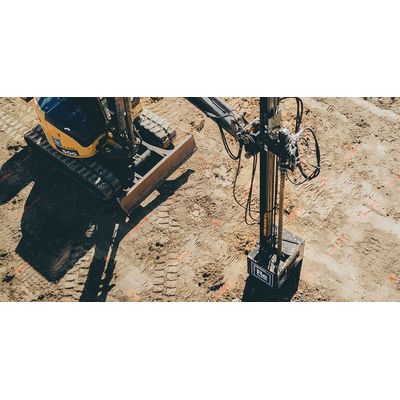
LCR - In-Situ Remediation Service
With the use ofBio-Reclaimand other natural products, LCR provides in-situ remediation treatments to degrade hydrocarbons. These treatments are cost-effective, natural, and provide no negative ecological impact.
Most popular related searches
in-situ remediation
underground storage tank
underground storage tank leak
storage tank leak
hydrocarbons contamination
oil spill
contaminated site
oil leak
contaminated soil bioremediation
contaminant plume
- Groundwater
- Anaerobic and aerobic bioremediation practices are used with specific conditioning to remediate groundwater.
- Abandoned Well Sites
- In-situ remediation usingBio-Reclaim™can be applied to remove contamination from abandoned well sites.
- Fuel Station Sites
- Bio-Reclaim™is highly effective in remediating gas-contaminated sites. It is cost-effective and typically does not require the site to be excavated.
- Underground Storage Tank Leaks
- Contamination plumes from leaking underground storage tanks can be rectified and decontaminated usingBio-Reclaim™.
- Oil Spills / Leaks
- Oil spills and leaks on land and water can be rectified and decontaminated usingBio-Reclaim™.
- Commercial & Private Property
- Commercial properties and private properties (residential) are prime candidates for bioremediation.
- Contaminated Soil & Water
- Bioremediation works in soil and water. With aerobic and anaerobic solutions, we can treat nearly any form of hydrocarbon contamination.
- Automotive Facilities
- Spills and leaks over time at facilities can lead to expensive decontamination efforts. Using Bio-Reclaim™, most automotive products can be completely remediated.
In-situ remediation is considered non-invasive and cost-effective in removing contaminants. Using complete mixed cultures of bacteria and soil fungi, we are able to remediate all hydrocarbon contamination on-site. This allows for site cleanup without using expensive excavation procedures.