


- Home
- Companies
- Antech Hydraulics Ltd
- Services
- Oil Sampling & Analysis
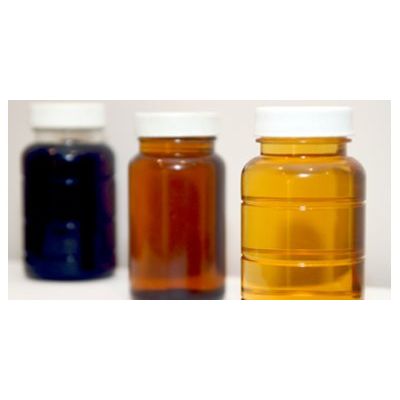
Oil Sampling & Analysis
In today`s modern, high performance systems, control of contamination is critical. But without analysing the condition of the oil in the system, there`s no way of telling just how `clean` or `dirty` the oil is. Therefore, oil analysis should be performed on a regular basis to monitor contamination levels. Oil sampling and analysis can also give early warning indications of impending component failure. If you`d like to talk to us about oil sampling and analysis, please complete the form below and we`ll call you back. Alternatively, send us an email and we`ll get right back to you.
The cleanliness of hydraulic oil systems is extremely important because of the very close tolerances that exist in the pumps, control valves and between the pistons and hydraulic cylinder walls. In fact, around 80% of hydraulic system failures are caused by contamination through dust, dirt and condensation moisture. Therefore, oil analysis should be performed on a regular basis to monitor contamination levels.
In hydraulic systems, transmissions, gearboxes, differentials and other lubricated systems where combustion does not take place, the analysis of oil samples should also be done on a routine basis. High levels of aluminum can indicate a potential pump or converter failure. Transmission slippage is often indicated by high levels of copper, while high chromium levels can reveal scored hydraulic cylinder rods or gear and bearing wear.
Oil analysis can also be used effectively to determine the proper oil drain and filter change intervals in all types of lubricated systems.
ANTECH provide oil sampling and analysis services. We also offer consultancy and advice on contamination control. For more information, please contact us and we`ll be pleased to talk through the options.
Oil samples should be taken on a regularly scheduled basis and should only be taken after the lubricating system or component has been operated long enough to reach operating temperature. This will ensure that the oil has been thoroughly circulated and will result in an oil sample that is truly representative of the oil in the system. The oil sample should always be taken at the same point in the system, such as from a valve mounted on an oil return line before the oil passes through the filter.
The sample container should then be sealed immediately and sent to the laboratory as soon as possible.
To properly interpret the analysis results, the laboratory should be advised as to the viscosity and type of oil, the hours or miles of service, and the make and model of the component or system from which the sample was taken. This information should be printed on a card usually provided in the oil sample carton.
If you`d like to talk to us about oil sampling and analysis, please complete the form below and we`ll call you back. Alternatively, send us an email and we`ll get right back to you.
They say that seeing is believing. They also say, don`t believe everything you see. Contradicting huh? Well the same is true of new oil.
An unopened barrel of oil straight from the supplier ought to be pretty clean right? Wrong! In fact, new oil has an ISO cleanliness code of around 20/18/15. This is just about OK for the most basic of pumps, like a screw pump. But if you`ve got piston pumps, gear pumps, hydraulic motors, not to mention proportional or servo valves, you`re going to need to filter your `new` oil before putting it into your tank, or you could wind up actually INTRODUCING contamination into your system, and making it dirtier than it was to start with!
If you`d like to talk to us about oil sampling and analysis, please complete the form below and we`ll call you back. Alternatively, send us an email and we`ll get right back to you.