

- Home
- Companies
- Prince William Sound Regional Citizens` ...
- Services
- Oil Spill Response Operations
Oil Spill Response Operations
The Oil Spill Response Operations program encompasses monitoring and reporting activities related to the operational readiness of oil spill response personnel, equipment, and organization of the trans-Alaskan pipeline shipping industry. This program monitors oil spill incidents within Prince William Sound and evaluates response readiness. It is also responsible for writing and implementing the PWSRCAC Emergency Response Plan.
Oil Spill Response Gap
PWSRCAC believes that an oil spill response gap exists in Prince William Sound. A response gap occurs when oil can be transported in weather conditions not feasible for executing an oil spill response.
Prince William Sound Response Rate Analysis
The council commissioned a report to better understand how encounter rates affected the recovery rate capabilities of the Nearshore and Open Water oil spill response in Prince William Sound. As the principle methodology, this study utilized an ASTM F1780 Standard that considers actual encounter rates rather than the EDRC approach which focuses on de-rated efficiencies for skimmers. The analysis in this study included understanding the recovery rates based on an instantaneous spill and a continuous spill.
Preparedness Monitoring
This project monitors the operational readiness of the Alyeska Ship Escort/Response Vessel System (SERVS) and the oil shipping companies. The council has maintained this project since 1992. Drill and exercise reports are available on this page.
Fishing Vessel Training
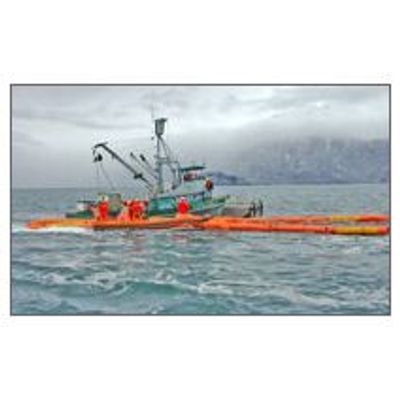
The Fishing Vessel Training program in Prince William Sound is a mechanism that allows immediate response to an oil spill by contracted fishing vessels and experienced crew. Trained, on-call fishing vessels and crew are an important part of oil spill response operations. The program maintains a database of over 350 fishing vessels throughout the region. The council monitors and participates in the training.
In-situ Burning
The council recognizes that there may be times when in-situ burning in Prince William Sound and the Gulf of Alaska may be appropriate but only after mechanical recovery has been ruled out as the primary strategy. Learn more about this oil spill reponse technique on this page.
Emergency Response Plan
The Emergency Response Plan provides guidelines for the council to respond effectively during a disaster. This project page outlines the plan, the council`s role during an oil spill, and the Scientific Response addendum to the Emergency Response Plan.
Telecommunications in Prince William Sound
Communications in remote places of Alaska are always a challenge. Systems that function well for everyday activity could become overwhelmed and inoperable during a major response to a natural disaster or oil spill. The council, along with many stakeholders, worked with contractor Shall Engineering to perform an assessment of the communications capabilities of the Prince William Sound area. This project looked at the agencies’ abilities to communicate internally as well as how communications would work among agencies during a response.
Tethered Balloon Oil Spill Surveillance System
This surveillance technology uses a helium filled balloon carrying both infrared and conventional cameras that is tethered to a vessel. The spill balloon can be lofted 500 feet in the air and would supplement traditional aircraft over-flights during a response