- Home
- Companies
- RinnoVision Inc.
- Services
- RinnoVision - Elevator Shaft Inspection ...
RinnoVision - Elevator Shaft Inspection Camera
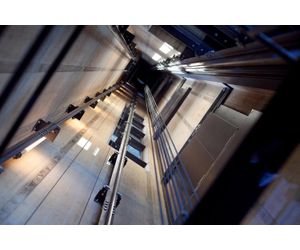
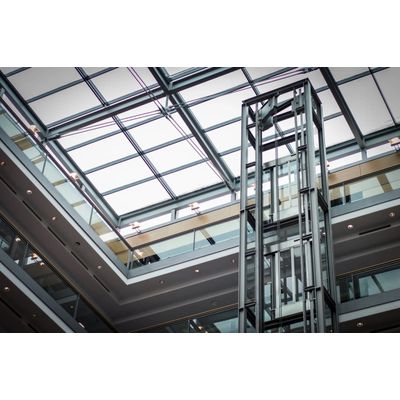
Elevator shafts are critical components of vertical transportation systems in buildings, and maintaining them is essential for safety and operational efficiency. As elevator shafts are narrow and vertical, which makes them difficult to access thoroughly, traditional inspection methods often require complex setups and equipment to navigate them. Additionally, the interior of elevator shafts contains cables, pulleys, and other components that are challenging to inspect comprehensively without advanced tools.
Traditional inspection methods can be cumbersome, time-consuming, and expose inspectors to various risks. Conventional inspections may necessitate taking the elevator out of service, causing downtime and inconvenience for building occupants. RinnoVision’s advanced elevator shaft inspection cameras such as RV-MAX 360 and RV-PRO 360 provide a revolutionary solution to these challenges, offering enhanced safety, greater efficiency, and superior accuracy in inspections.
RinnoVision’s inspection cameras are designed to overcome elevator shaft inspection challenges with advanced features that streamline the inspection process.
Our cameras capture detailed, high-quality images of the elevator shaft’s interior, allowing for precise detection of issues such as wear, misalignment, and corrosion. Equipped with a telescopic pole and tripod, our cameras can navigate the full length of the shaft, reaching all areas that are otherwise difficult to access.
High-intensity LED lights illuminate dark and confined spaces, enhancing visibility and making it easier to identify potential problems and live video feeds allow for immediate assessment of the shaft’s condition, facilitating quick decision-making and prompt maintenance actions.
Last but not least, detailed imagery and comprehensive data from our cameras enable more informed maintenance planning. This helps in prioritizing repairs, scheduling maintenance activities, and ultimately extending the lifespan of the elevator system.