


- Home
- Companies
- Wahaso - Water Harvesting Solutions, ...
- Services
- Wahaso - Rainwater Harvesting Systems ...
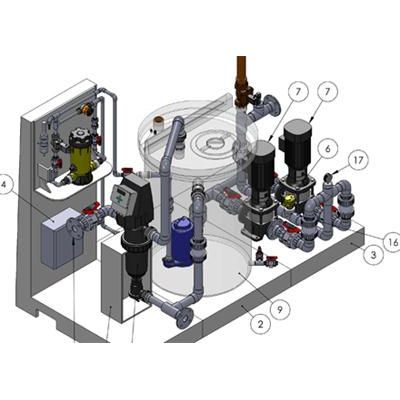
Wahaso - Rainwater Harvesting Systems From Water Harvesting Solutions
The practice of rainwater harvesting dates back to the earliest days of civilization yet was nearly lost in the age of inexpensive and readily available municipal water supplies. Lately, with the cost and supply of municipal water becoming an issue, there has been a growing resurgence of interest in rainwater harvesting by home and building owners. Thousands of small systems suppliers have emerged to fill the demands of homeowners across the country. But there are special challenges for the more sophisticated systems installed in commercial and institutional buildings. The vastly larger quantities of rainwater collected require more sophisticated processing and storage, and the engineering standards and approval requirements are significantly more rigorous. Wahaso focuses entirely on the commercial and institutional building market – and has developed proven, large-scale rainwater harvesting systems that meet rigorous building and regulatory requirements.
Storage of the rainwater is determined by the demand and uses for the water, available rainwater and groundwater volume and frequency, and space to locate the tanks.
- Because storage capacity, type and location are primary drivers of system design and cost, this is one of the first analyses done on any project. Wahaso works with clients early in the process to think through the supply and demand side of the system and determine the most efficient size, type and location of the storage system.
On the supply side, we calculate total rainwater available to the system by measuring collection surfaces on rooftops and parking areas and applying average monthly rainfall for the building location. On the demand side, we help determine anticipated monthly demand for toilet flushing, irrigation, cooling tower make-up and other uses. Storage options include above-ground tanks that can be located inside or outside the building and subterranean tanks that can have unlimited storage capacity. For a more thorough review of the different storage options for harvested water, see our Harvested Water Storage page.
- Most systems have a connection to a municipal water source to provide a constant supply of water during drought periods - especially when the system is being used to flush toilets. A level and control system automatically maintains a minimum level for this purpose.
A repressurization system is required to move the rainwater to toilets throughout the building. Typically, the system includes duplex pumps in tandem with each pump alternating in operation. if a high demand situation occurs, both pumps can be made available. And if one pump should fail, the system will continue to provide harvested water. (See the duplex pressurization skid in the system photo above.) It is important to properly size the pumps so that adequate pressure and volume is available at the farthest - and highest altitude - end point in the system.
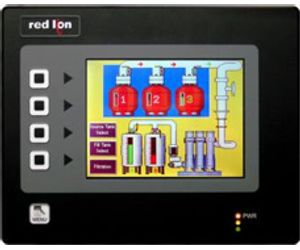
Wahaso employs programmable logic controllers, (Allen-Bradley as standard), that fully automate and control the entire harvesting process for rainwater harvesting systems.
Our proprietary software is customized for each application and provides the capability of interfacing with building automatic systems and other alarm and condition monitoring.
In addition to monitoring the system mechanicals, the control system can track the amount of water in each tank and track and display the monthly amount of water harvested. An interface allows remote monitoring via a web page for maintenance or educational purposes. Wahaso can use the remote access to help a building maintenance staff diagnose potential system problems.
Practiced for thousands of years across almost all cultures, the process of capturing and reusing rainwater and greywater (from showers and sinks) for non-potable use is fast becoming an important cornerstone for new sustainable practices in the U.S.
As fresh, potable water becomes increasingly scarce in the U.S., the practice of using it to flush toilets and water landscaping seems almost ridiculous. New and ancient methods are now readily available for commercial and institutional buildings.
The benefits of harvesting go far beyond fulfilling the desire to be "green.”" Capturing and utilizing rainwater and greywater can have lasting economic benefits for building owners.
- By reusing captured water to flush toilets, water landscaping or support other water-intensive operations, municipal water charges can be significantly reduced.
- Wastewater treatment fees and environmental impact fees can also be reduced.
- For building owners wishing to achieve LEED certification and receive praise in their communities, these efforts are a key component of broader sustainability practices.
- Simple passive systems like roof gardens can reduce heating and air conditioning expenses.
- Vegetated swales can replace unattractive parking lot water retention ponds with vibrant patches of plantings complete with birds, butterflies and colorful flowers.
There are a number of water sources that can be harvested for recycling. These fall into three general categories: Rainwater, Greywater and Groundwater. Each has its own set of advantages and disadvantages as well as implications for capturing, cleaning, storage and use.
Rainwater
Rainwater collection and storage, (also known as “rainwater catchment”), has been practiced for centuries by cultures throughout the world. Even in the U.S., most 19th century and early 20th century homes had cisterns that saved rainwater from roofs to use for washing clothes and watering gardens. In industrial countries, the practice had largely died away with the introduction of reliable modern water supply systems. This trend is now changing. Rainwater is free and mostly clean and requires less treatment than greywater, so it is an ideal source of water for harvesting.
"Rainwater" by definition is precipitation that is collected from relatively clean, above-ground surfaces - usually rooftops. Because rooftop rainwater has minimal contamination, it is an ideal source for harvesting. In commercial buildings, the large rooftop areas can often collect enough rainwater to meet all the non-potable uses like toilet flushing and irrigation.
Stormwater
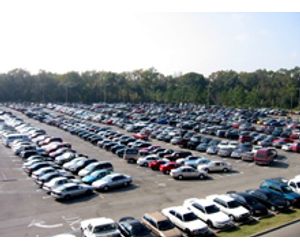
"Stormwater" is defined as precipitation collected off outdoor ground level surfaces. This water may be contaminated by automobile oils and fluids, unknown chemical spills, and nitrates and pesticides from landscaping. In commercial buildings, it is usually the parking lots that throw off vast amounts of stormwater during a rain event. - and can be millions of gallons per year. Unmanaged, stormwater can run off into streams and rivers with its contaminants. At the very least, it must be conveyed miles away for treatment in a municipal stormwater system using energy and resources.
Many municipalities are now requiring new buildings to include plans to collect and manage this stormwater runoff so that it does not contribute to overloaded municipal systems. Property owners scan pend hundreds of thousands of dollars to filter and detain stormwater and then release it slowly back to the local municipality. Ironically, these same property owners then buy back municipal drinking water to flush toilets and irrigate their landscaping! Wahaso can provide a system to clean, store and apply this vital water resource. Integrated cistern systems can prefilter the stormwater organically before it is stored, significantly reducing the filtration required in the active harvesting system.
Groundwater
If your building will have a basement or parking area below ground level, then a sump system will likely be planned to remove groundwater from around and under the sub-ground areas. Of all renewable water sources, groundwater tends to be the cleanest and best suited to recycling – especially for irrigation. Traditionally, this water has been discharged into the municipal sewer or stormwater system – wasting its potential and further burdening the municipal system – a lost opportunity!
Whether your building is using active or passive harvesting, groundwater can easily be one of the water sources employed.
Condensate As A Source
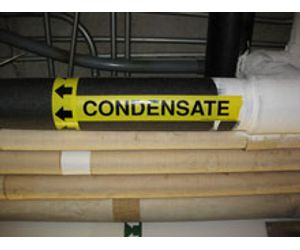
While cooling towers can be major consumers of water in a commercial building, they can also produce significant amounts of harvestable water as they dehumidify the air inside the building at the cooling coils. In larger buildings, this clean source of water can generate a million gallons or more in a cooling season! For more information on cooling towers as sources and uses of harvested water, visit our Cooling Towers page.
Greywater Sources
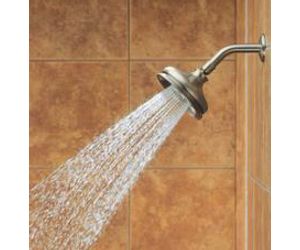
Greywater, (also referred to as grey water, gray water and gray water) refers to water that has been "gently used" in sinks, showers, baths and light industrial applications and has not yet been treated. It is clearly distinguished from water from toilets – know as “black water”. Properly filtered and stored, greywater can be a valuable source of water to flush toilets and urinals or irrigate landscaping. Toilet flushes can account for 25 - 65% or more of the total water use in a commercial building, even when low-flush fixtures are used.
An efficient greywater system first requires a steady source of greywater. The most abundant source is showers in buildings with full time residents – apartments, dormitories, hotels, schools, etc. Some manufacturing facilities can harvest water used in their manufacturing processes if it is not heavily loaded with contaminants. Office buildings generally do not produce enough usable greywater to warrant the cost of a system.
When there is an abundant supply of greywater, it can be a more reliable source of water for flushing toilets than rainwater. The amount of shower and sink usage generally ties to the amount of toilet use in a building, so there is almost always a balance in supply and demand for greywater.
There are significant implications for the use of greywater. Greywater harvesting requires additional treatment versus rainwater and always an active system versus a passive system of collection and storage if it is to be used inside a building or for spray irrigation. The additional filtering and sterilization requirements can add 50% to the cost of a system vs. rainwater harvesting systems. However, because daily supply and demand are in balance with a greywater system, the cost of storage tanks can be significantly reduced vs. a rainwater harvesting system - bringing the total system cost into the price range of a large rainwater system.
As a relatively new form of water conservation, many communities have not yet set standards for greywater processing and storing. Local codes often restrict the use and storage of greywater - but the codes are meant to protect public safety from the contaminants in untreated greywater. Once the greywater has been treated, its definition becomes "onsite treated non-potable water" and falls under a different set of usage and storage guidelines.
Water Harvesting Solutions has extensive experience in developing and managing greywater systems for commercial properties. Our processes remove all organic materials so that the stored water is cleaned to near-potable condition. This eliminates any issues with odor or color, and meets the needs of most municipalities. As part of our services, we can research and advise on the appropriateness of greywater harvesting in your community as part of your total water management system. We can also recommend resources for working with your municipality to set standards for greywater collection, filtering, storage and use.
The many methods of harvesting rainwater or greywater can be categorized into two main groups - each with its own advantages and disadvantages - Active & Passive harvesting.
Passive Harvesting: This "ultra green" approach captures and processes rainwater naturally through biological plantings on green roofs and through vegetative swales in parking areas.
Active Harvesting: Active harvesting involves mechanical means of collecting, filtering, storing and pumping harvested waters. These systems can be quite sophisticated and can provide sustained levels of water for flushing toilets and watering landscaping.
Each approach has its own set of advantages and disadvantages, costs and implications. At Water Harvesting Solutions, we often recommend a combination of approaches to maximize the utility and effectiveness of harvesting.
Making The Most of a Reclaimed Resource
Harvested water that has been properly filtered and stored can be recycled into a number of uses. Regulations in some states and municipalities restrict the uses of harvested water and should be carefully checked for compliance before a system is designed.
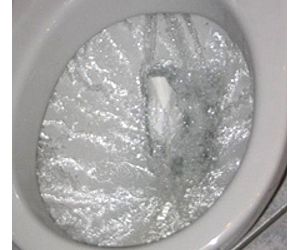
Toilet & Urinal Flushing
While it seems almost a shame to use carefully collected and stored rainwater or greywater to flush toilets, this important use of harvested waters can make a significant reduction in the use of potable water purchased from your local utility.
Toilets and urinals consume as much as 40% - 60% of water purchased for a typical office building. By supplementing or eliminating this wasteful use of potable water, “green” buildings not only reduce their municipal water bills, but also contribute to conserving a valuable, limited resource in our environment. The filtering and sterilizing steps included in the Water Harvesting Solutions systems turn greywater into clear, clean water, making it highly suitable for toilet flushing.
Landscape Irrigation
Harvested rainwater is often used to irrigate landscaping. What could be more natural than carefully saving excess rainwater to water plants and lawns around a facility? This use of harvested rainwater is particularly effective in areas that experience rain events on a periodic basis throughout the irrigation season. These systems are designed to store enough harvested rain to bridge rain events by 2-3 weeks.
In areas where rain events are seasonal and long gaps are typical during a "dry season" greywater may be a better water source for supply. The most reliable sources of greywater are available in buidlings with residents using showers and sinks.
A properly designed system will apply only as much harvested water as needed by each irrigation zone. That amount is determined based on the evapotransporation or "E.T." of the landscaping, which is calculated using he amount of rainfall, temperature, variations, humidity, wind, soil type and topography of the property. For information on E.T. irrigation controllers, visit ETWater.com.
To meet the needs of our clients for complete sustainable irrigation solutions, Wahaso has partnered with Landtech Design for the design of irrigation systems to effectively distribute harvested water from our systems. Established in 1994, Landtech provides solutions on challenging irrigation projects with a thorough and seamless sequence of involvements (planning, design, implementation). Landtech’s most differentiating factors are: expertise in low-volume & drip-irrigation, and the desire & willingness to discuss with clients the options available for ‘control’ of the project once it’s in the hands of the end-user (controller’s hardware, software, communication methods, hand-held capabilities, etc.)
Systems designed and installed by Water Harvesting Solutions can meet the purity standards for water quality of any community where properly prepared greywater and rainwater are legally permitted for landscape irrigation.

Other Applications For Harvested Water
Depending on the building’s location and function, other uses for the harvested water may be considered. During the Consulting Phase, Wahaso can help assess the most effective approach for managing the supply and demand of harvested water for any project.
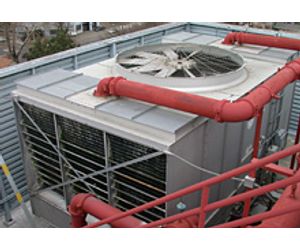
Cooling Towers - Cooling towers can be large consumers of water – 40% or more for a typical office building - and are an excellent use of harvested water. A typical commercial building with an evaporative cooling system can used 2-3 million gallons of water in a season to "make-up" water lost through evaporation and the "blow-down" cleaning cycle. Read more about water harvesting and cooling towers.
Boiler Make-Up - Boilers in a commercial building can consume thousands of gallons of water per day. Harvested water can serve as "make-up" for water lost in the heating cycle.
Fire Suppression Systems – Commercial buildings with can easily have 100,000 gallons or more of stored harvested water that can be readily available for an automatic fire suppression system or as an additional water source for pumping trucks in the event of a property fire. This stored bulk water could be especially important in communities with inadequate water pressure or water main capacity.
Industrial Applications – Buildings for water-intensive industrial use can also benefit from water harvesting. These buildings frequently have large roof and parking surface areas with a significant potential for capturing and harvesting rainwater. Even if the harvested water is a relatively small percentage of total use, it application can be part of an overall effort to reduce the building’s impact on the environment.
Clothes Washing – Harvested water may be useful in buildings doing large quantities of laundry – such as a dormitory or correctional facility.
Every Building Project Presents a Unique Situation
Which water sources for collection are most appropriate for your building project? How should the water be processed? Should active or passive methods be used? How should collected water be recycled? The answer to all these questions is, “it depends”. The options and combinations of options create an unlimited set of variables in designing a system that best suits a particular building in a given location.
For a Water Harvesting Solutions project, we begin with a Consulting Phase in a project to help identify the best plan for a particular building. The following issues are considered in any recommendation developed:
Motivations
Why does the building owner wish to apply a water harvesting system for the building? What are the motivations? Motivations may include:
- A genuine interest in “being green" and reducing the impact of the building on the environment
- Earning LEED certification for a building
- A requirement by the local municipality to reduce the amount of rainwater entering the sewer or stormwater system
- Conserving potable water to save water costs; interested in ROI for the system
- Reducing water processing fees to local municipalities
- Creating public relations opportunities for the organization as a “good neighbor”
- Enhancing the beauty of the building through a green roof or vegetated swales
Renewable Water Sources
The planned building use, size and location all affect the logical sources of water for harvesting. Our consulting phase addresses these and other questions:
- What are the average annual rainfall amounts at the building location?
- What is the planned design and square footage of the building’s roof? What percentage will receive collectible rainwater?
- Is there a cooling system that generates condensate?
- What is the anticipated daily gallonage of greywater from showers, sinks and other sources?
- Will the building generate ground water through a sump system?
Harvested Water Uses
We will also want to consider how harvested water might be used in your building and on the property.
- What are the total number of toilets and urinals planned for the building?
- What is the anticipated human load on the building? (To determine average daily flush gallonage).
- What is the anticipated water demand for planned grass and landscaping? Fountains or other water features?
- Is there a desire to use the harvested water for a cooling tower or as backup to a fire suppression system?
Other Considerations
These other factors affect the total system design:
- What are the costs for municipal water? What are they expected to be 5 to 10 years out?
- What are the costs for sewage treatment in the area?
- Does the community have any regulations in place addressing the usage of greywater or rainwater?
- Can the building design accommodate a planted roof system?
- Can the parking area accommodate a vegetative swale?
How Much Rainwater is Available? How much greywater do you need? For a rough estimate of these numbers, try out our Water Harvesting Calculator.
Water Harvesting Solutions works closely with the building architects and engineers to develop a system that best meets the need of the property and the desires of the property owner. For more information on our processes and approaches to harvesting, please see Our Services.