- Home
- Companies
- ECO Oxygen Technologies, LLC
- Services
- Wastewater Effluent D.O. Content & BOD ...
Wastewater Effluent D.O. Content & BOD Offset
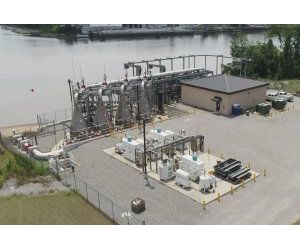
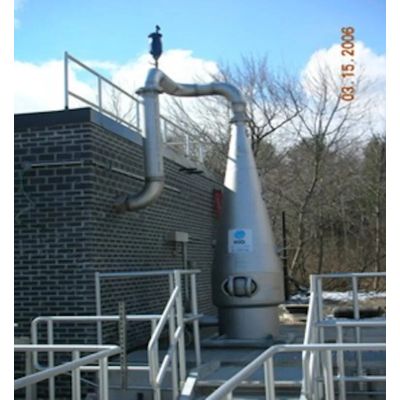
Instantly boost D.O. without aerators or basins. Post Aeration: Trouble meeting your D.O. discharge permit? The adaptable ECO2 SuperOxygenation System can boost your effluent’s D.O. to any desired level. Whether it’s to meet a seasonal permit or to off-set effluent BOD and ammonia for a net-zero impact on the receiving water body.
Easily meet your D.O. Discharge Permit
ECO2 has helped towns across the country comply with their D.O. discharge permits. Site or budget restrictions that don’t allow for the construction of re-aeration basins, the lack of sufficient elevation drop for step-aeration, or simply the need for higher D.O. levels for sensitive downstream waterbodies, are reasons for the implementation of a small footprint ECO2 SuperOxygenation System.
Net-Zero Negative Impact
Off-setting BOD and ammonia with an increased amount of dissolved oxygen has helped one city receive a permit to build their WWTP and discharge into an impaired waterway with a net-zero negative impact.
Many of the world’s rivers are polluted and D.O. impaired. The ECO2 SuperOxygenation Technology can effectively add high levels of dissolved oxygen to impaired waterways.
Deliver Large Amounts of D.O.
EDissolved Oxygen (D.O.) is good. Raising the D.O. in impaired waterways supports aquatic life and helps with the aerobic degradation of organic matter. Without the addition of dissolved oxygen lower depths of rivers are often void of oxygen, decreasing fish habitat and allowing for the accumulation of muck on the bottom.
To support aquatic life in the D.O. impaired Savannah River during and after the dredging of the harbor, the US Army Corps of Engineers evaluated over 25 aeration and oxygenation technologies and chose ECO2‘s Speece Cones to do the job. ECO2‘s Speece Cones can effectively deliver large amounts of dissolved oxygen from shore based, barge mounted or submerged systems to sensitive areas in polluted rivers.