
- Home
- Companies
- Dagaz Environmental Inc.
- Services
- Dagaz Environmental - Wastewater ...
Dagaz Environmental - Wastewater Management Services
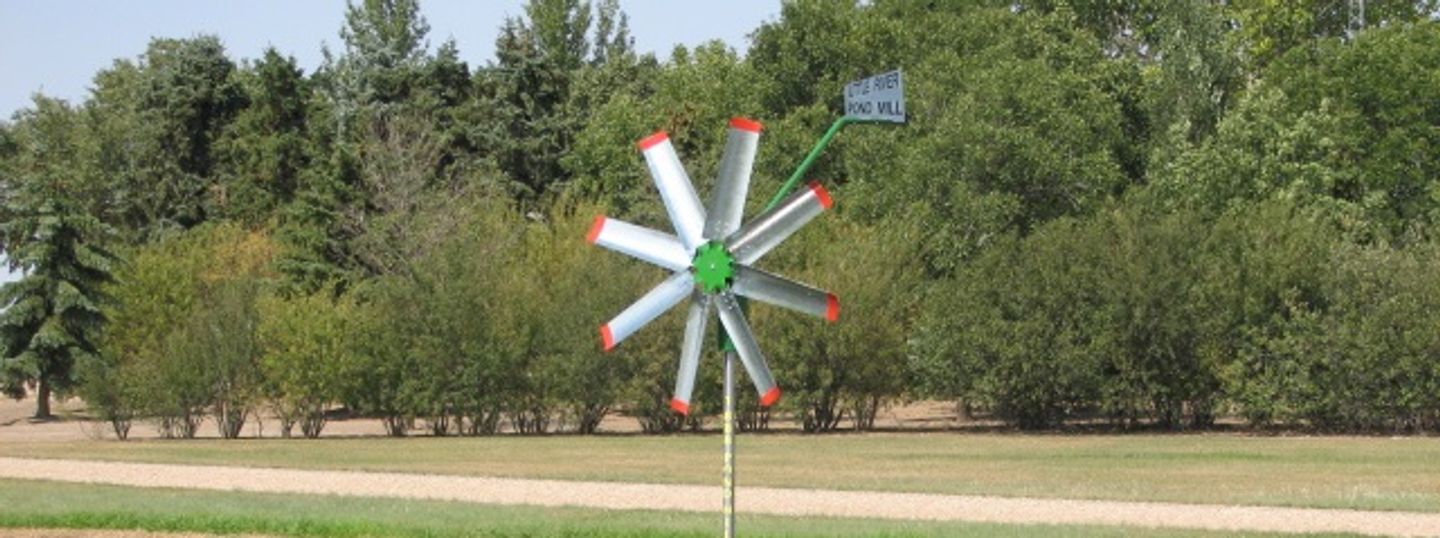
For 23 years, the Little River Pond Mill® circulators having been assisting in the improvement of waste water systems globally by enhancing both biological and natural chemical processes in aquatic (water based) environments (biostimulation). One of the primary problems associated with wastewater reservoirs and holding facilities is the excess of one or more nutrients, and/ or other chemicals, causing an imbalance within the system. Anoxia, or low to no oxygen status, is typical within this unbalanced state. These conditions, combined with potential environmental toxins, create pollution/ toxic waste or a pollution/ hazardous waste hazard.
The Little River Pond Mill® circulator floats on the surface of the wastewater and addresses many of the issues of proper waste water management which include the reduction or elimination of odours, biological oxygen demand (BOD), chemical oxygen demand (COD), suspended solids (SS), pollutants, alga and cyanobacteria blooms; and the increase of dissolved oxygen, organism diversity and competition, and breakdown of organic and synthetic substances.
Prior to the introduction of circulation and surface re-aeration, using the Little River Pond Mill® circulator, primarily anaerobic decomposition took place. Anaerobic decomposition produces potentially toxic and foul-smelling gases - both undesirable and potentially lethal to people, other organisms, and to our atmosphere.
The circulation and aeration component introduced not only allows more organisms to survive in the same amount of space, and promotes the creation of crucial biofloc and biofilm microbial communities, but it also promotes an increase in both species diversity and population density. This ecosystem enhancement reduces the negative components typically observed in stagnant aquatic ecosystems including such as waste water lagoons.
Some of the observed benefits include a reduction/elimination of/in:
- noxious odours and potentially harmful gases (including greenhouse and acid rain gases)
- biological (BOD) and chemical (COD) oxygen demands
- suspended solids
- pest/undesirable/harmful organisms (e.coli)
- pollutants (hydrocarbons)
- chemical use/quantity of chemical required
- energy consumption to treat waste water and liquid effluent
- recalcitrant xenobiotic substances (exact nature of breakdown conditions has yet to be scientifically documented)
Various factors are working together to create the improved ecosystem effects. These factors include the presence of:
- circulation
- competition for food
- predation
- the presence of oxygen
- elimination of a desired habitat
- tying up of a required nutrient element(s)
- exposure to sunlight (UV rays)
- changes in chemistry (e.g. pH)
- and other factors (known/unknown).
The Little River Pond Mill® circulator is an effective ecosystem enhancement tool that can be used to `tailor-make` solutions in aquatic environments such as waste water lagoons. Whether your desire is to reduce or eliminate odours and solids in a waste water lagoon, or clean up a hydrocarbon contaminated aquatic environment, the Little River Pond Mill® circulator is an effective tool in aquatic environment management.